Home Blog Page 68

Troubleshooting Common Carbon Steel Wok Issues: Causes and Solutions

Knowing Your Carbon Steel Wok

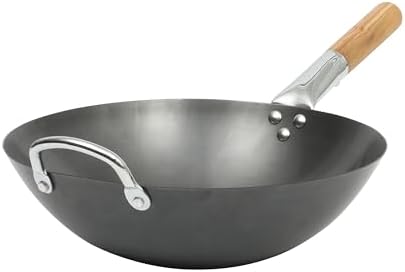
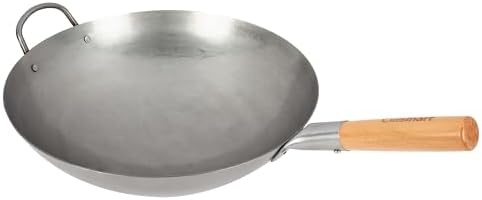
Carbon steel woks are now very popular in culinary practice. That is because they have a unique cooking capacity that is both versatile and efficient. Made from a thin sheet of carbon steel, the woks are characterized by outstanding heat conduction. This helps them cook quickly and evenly. This allows chefs to achieve high temperatures, which are required for procedures such as stir-frying, searing, and browning. Light weight of carbon steel also makes it convenient to handle. This is also one of the reasons why it is also extremely prevalent in commercial kitchens and home kitchens.

One other aspect of carbon steel worth mentioning is that it tends to form a natural non-stick coating from seasoning. This is achieved through the application of oil to the wok and then heating it. This forms a polymerized fat layer which improves the cooking surface over time. Proper seasoning not only maximizes the wok’s performance but also adds depth to the flavor of the foods that are cooked. Seasoning has to be kept at all times. Without seasoning, a carbon steel wok can be easily overpowered by rusting and sticking.

The reactivity of carbon steel to outer factors like humidity will also lead to the formation of rust. Carbon steel is a reactive material as opposed to other materials. This means food’s acidity can cause it to lose its seasoning and potentially develop off-flavors. Therefore, promptly dry your wok after cleaning. Avoid prolonged exposure to water to ensure its longevity. Proper storage, seasoning, and regular maintenance will prevent most common issues with carbon steel woks. This allows users to enjoy their versatility and cooking efficiency for years.

Common Wok Problems and Their Causes

Carbon steel woks are known for being highly resistant to heat and long lasting. However, users normally have issues that can spoil their cooking experience. The causes of such frequent issues must be grasped in order to troubleshoot appropriately.

Sticking is possibly the most frequent issue users of carbon steel woks have. An issue like this most commonly arises because of an improper seasoning of the surface of the wok. Seasoning creates a non-stick coating. If this step is not done accordingly, food particles will adhere to the surface. Even not having sufficient oil during cooking can exacerbate the issue. When the wok isn’t oiled adequately, foods stick to the metal. This is annoying and leads to a less-than-optimal cooking experience.

Rusting is another common problem. Carbon steel has a tendency to rust if it is not cared for rightly. Rust could develop when the wok is exposed to water. This is particularly true if it is washed and not properly dried afterward. Moreover, if the wok is left in a damp state or unseasoned for an extended period of time, rust development is a certainty. All these conditions coalescing could lead to the weakening of the surface of the wok. This makes it critical that users employ appropriate care strategies.

Inconsistent heat distribution is another problem that can be encountered by cooks. A poorly made or poorly seasoned wok may not be able to distribute heat evenly. This causes hot spots that can impact cooking outcomes. Also, incorrect heat settings can lead to the same. For instance, using a heat setting that is too low can hinder the wok from reaching the optimal temperatures necessary for effective stir-frying. Therefore, the awareness of such factors can allow users to troubleshoot and enhance their performance.

Remedies for Sticking and Rusting Issues

Fixing sticking and rusting issues in carbon steel woks is critical in maintaining their performance and lifespan. It begins with proper seasoning. This forms a protective layer on the wok surface that enhances its non-stick nature. Begin by thoroughly washing the wok with hot soapy water and a scrubbing pad. This removes any factory contaminants. Wash and dry the wok well. Then put a thin coating of high-smoke-point oil. Use grapeseed or flaxseed oil, so that it coats the entire surface evenly.

Preheat your oven to approximately 450°F (232°C). Place the wok upside down in the oven. Preferably, put it over aluminum foil to catch any drips. Bake for about an hour. Afterwards, turn off your oven and leave the wok in the oven to cool. This will season the wok and create a long-lasting non-stick coating.

If rust has already developed, don’t worry. Re-seasoning can rejuvenate your wok. Begin by cleaning the rusty areas with steel wool or baking soda and water. Next, rinse and dry the wok completely. Re-do the seasoning process mentioned earlier. This way, re-seasoning properly covers the surface.

To maintain your carbon steel wok and prevent future issues, develop some cleaning and storage habits. Clean with hot water and mild sponge after each use. Avoid using aggressive detergents that will strip the seasoning. Dry the wok thoroughly before storing it. This does not permit moisture build-up, which can lead to rusting. Also, apply a light coating of oil onto the surface before storing it. This adds an extra level of protection. Doing so will actually fix sticking and rusting problems effectively. This will ensure your carbon steel wok delivers the best performance.

Even Heat Distribution in Your Wok

When cooking using a carbon steel wok, even heat distribution is crucial for an optimal outcome. A well-seasoned wok ensures a better cooking experience. It prevents overheating in certain spots while leaving others cold. One of the major ways of having evenly spread heat is in the form of good preheating. First, do not put anything in the wok and let it heat for a few minutes using medium heat. Let it be until it is evenly heated. This eliminates any cold spots. It also prepares the surface for even cooking.

Using the correct utensils to cook with also matters. Utensils made from wood or silicone work well. They are safe to handle hot and pass heat evenly along the wok’s surface. Metal utensils tend to scratch at times. These will disrupt the seasoning and heat transfer properties of the wok. Check over utensils constantly for wear. Replace them immediately to maintain the best cooking conditions.

Adjusting the heat levels while cooking can significantly improve heat spread. Start with medium-high heat and observe the food closely. If certain ingredients are cooking faster than others, lower the heat so that the food does not cook unevenly. Additionally, frequent stirring helps in heat redistribution. This prevents sticking and helps all ingredients cook evenly. For a precautionary measure, you can also perform a simple heat spread test. Add a small amount of water into the hot wok. It will swirl rapidly, indicating that the heat is evenly distributed.

With the use of these techniques, any individual can have good heat distribution in his carbon steel wok. This leads to better cooking performance as well as higher-quality culinary outcomes. Even heat is what it takes to become a proficient wok cook. This makes wok cooking more enjoyable and successful.

Adapting Recipes for Your Carbon Steel Wok: Tips for Best Results

Learning Carbon Steel Woks

Carbon steel woks are a favorite of food aficionados due to their unique characteristics that foster cooking practices. In contrast to other materials used in cookware such as stainless steel or cast iron, carbon steel boasts unmatched heat retention and circulation. When heated adequately, carbon steel woks can achieve extreme temperatures quickly, making them ideal for stir-frying. The sensitive thermal response enables cooks to yield precise results, particularly when carrying out practices such as searing or browning.

The efficiency of the material at conducting heat ensures the food cooks evenly. Reducing the instances of hot or cold spots in cooked food. This is particularly notable with food that needs to be cooked fast, such as in traditional stir-frying. The effect is that food has a fine balance of taste and texture. Extracting the full culinary worth of this handy utensil.

Seasoning is the most crucial aspect of maximizing the efficiency of a carbon steel wok. Carbon steel is not shipped pre-seasoned, as non-stick pans are. And therefore needs to be seasoned in order to produce a naturally non-stick surface. Oil is applied to the wok, and it’s then heated, polymerizing the oil to form a layer. Not only does this prevent food from sticking, but also accumulates a depth of developed flavor with use. Regular maintenance, including proper cleaning and drying processes. Must be done to prolong the life of the wok and preserve its culinary capability.

Ultimately, having a knowledge of the unique traits of carbon steel woks can greatly impact cooking processes and recipe adaptation. Understanding the material’s heat conduction, reactivity, and requirement for seasoning. Amateur cooks can use these strengths to achieve the best results for their cooking activities.

Changing Cooking Methods

When cooking with a carbon steel wok, it is essential to adjust your cooking techniques to achieve the best possible results. One fundamental adjustment is preheating the wok. Unlike traditional pans, carbon steel woks require thorough preheating to enhance their non-stick properties and to ensure even cooking. To preheat effectively, place the wok on medium-high heat until it is hot enough that a few drops of water can dance around the surface. This is the most important step that becomes the foundation of a successful stir-frying.

Secondly, high heat is also needed in stir-frying due to the quick method of cooking inherent in this process. Carbon steel woks heat very well, making it possible to cook food quickly and retain the flavors as well as the food’s moisture. Unlike non-stick pans that can be destroyed by excessive heat, carbon steel can thrive under such conditions. When stir-frying vegetables or proteins, for instance, look for heat that creates a mild smoke, which indicates that it is searing. This quantity of heat will alter the taste and texture of your food, and make it more appealing.

The control of heat aside, the application of oils also plays a role in cooking with a carbon steel wok. The oils should be of a high smoke point type, such as grapeseed, peanut, or canola oil. These oils are able to withstand the hot heat necessary for good stir-frying and also prevent the wok from sticking. Furthermore, cooking lengths and techniques need to be modified for some ingredients that will behave differently in the wok than they would in other frying pans. Leafy greens, for instance, need to be added towards the end of the cooking process in order to preserve their texture and color. By achieving these subtleties and applying the correct adjustments, the taste and texture of food cooked in a carbon steel wok can be significantly enhanced.

Learning to Accommodate Ingredient Selection

Ingredient selection is a key consideration when cooking with a carbon steel wok in order to achieve best results. Since it possesses better heat retention and distribution properties. The carbon steel wok is particularly ideal for high-heat cookeries like stir-frying. Such that the food items chosen should complement this form of cookery. To a large extent, light meats like chicken, shrimp, and pork are the best choices because they can be prepared in a few minutes with high heat without losing moisture and tenderness. For meat lovers, thinly sliced pieces such as sirloin or flank will be the best option.

Vegetables are a vital ingredient as well; they need to be selected not only for flavor but also for texture. Vegetables that can be prepared quickly, like bell peppers, snap peas, and broccoli florets, are ideal, as they do not lose their crunch when subjected to high heat. Slicing vegetables of the same size is useful, ensuring uniform cooking time. For instance, slicing carrots into thin matchsticks or onion into tiny squares will ensure they cook quickly and uniformly.

Aromatics such as garlic, ginger, and scallions must be added with caution. Because they are so strong, it is important to add them towards the end of cooking time to avoid burning and to ensure that their flavor contribution is maximized. Also, marinating your ingredients prior to cooking will add a lot to their taste profile when cooked with a carbon steel wok. A simple marinade of soy sauce, sesame oil, and cornstarch can tenderize meats and act as a tasty coating that adheres well through the cooking process.

Finally, understanding how to adapt ingredient choices not only results in more flavor but also assures that the unique merits of a carbon steel wok are optimized, allowing home cooks to adapt their recipes for spectacular outcomes.

Recipe Adjustments and Tips

When porting recipes to your carbon steel wok, some adjustments may be made to ensure the best outcomes. The unique nature of a carbon steel wok, which can retain high heat and radiate it evenly, calls for adjustments mainly in proportions of ingredients, seasoning, and cooking sequence.

For classic stir-fries, begin by reducing the quantity of meat or protein; a lesser amount cooks more evenly and allows for proper browning. Aim for thin, evenly cut pieces, as they will sear quickly in the hot surface of your wok. Moreover, make sure to have all your ingredients prepped and close at hand. This is key, as the quick cooking time that is associated with wok cooking means that you will need to work quickly in order to achieve the desired texture and flavor.

With fried rice, a standard in wok cooking, day-old rice is ideal. It reduces moisture content and prevents clumping. When seasoning, add more soy sauce than other sauces so the flavor permeates throughout without overpowering the dish. Add a sprinkle of sesame oil during the final moments of cooking to enhance flavor and body.

With sautés, the water content of your vegetables is a large factor. Be careful adding water-rich vegetables like zucchini or bell peppers; they will significantly reduce heat if added too early in the process. Start with denser veggies like carrots or broccoli, and then add others like snow peas or leafy greens towards the end of the sautéing time.

Besides these changes for familiar recipes.Consider how versatile a carbon steel wok is to use when trying out world cuisines. From Thai to Chinese to Vietnamese cuisine, replicating flavors and techniques can be delicious. Test by replacing traditional ingredients with fresh herbs or spices that blend with the flavor profiles of your target cuisine. Thereby encouraging creativity and innovation in your cooking.

High-Heat Cooking with a Carbon Steel Wok: Safety Tips and Best Practices (Updated)

Understanding Carbon Steel Woks

Carbon steel woks are common in every kitchen in the world, especially for high-heat cooking like stir-frying. Iron and carbon make up these durable woks known for their excellent heat conductivity. Carbon steel differs from non-stick or stainless steel because it blissfully combines a lightweight build with strong performance. It is ideal for fast cooking with high heat.

One of the big positives about a carbon steel wok is that it heats up very rapidly. It also retains heat evenly across the cooking surface. The reason even heat retention is beneficial in high-heat cooking is that ingredients need to sear immediately in order to lock in flavor. Another positive about carbon steel woks is that they develop a natural non-stick surface over time.

This is done by seasoning, where oil is applied to the wok and it is heated. This creates a polymerized layer. It widens the cooking area and enables the wok to be made durable. Carbon steel is less heavy than cast iron. It is therefore easy to handle when intensive cooking is being done. Also, it is able to withstand intense heat without distorting. This allows for better performance when cooking. Nevertheless, it is essential to season the wok prior. Unseasoned carbon steel will result in acidic foods reacting. This produces unwanted flavors.

To preserve the performance and longevity of a carbon steel wok, it needs good care. After each use, do not apply abrasive cleaners or strong detergents. These will strip off the seasoned coating. Instead, simply rinse it off with hot water and dry it thoroughly to prevent rusting. Having understood how carbon steel woks are produced and how effective they are, domestic cooks are now able to use this versatile cooking utensil confidently for high-heat cooking.

Basic Precautions When Cooking at High Heat

When a carbon steel wok is used to cook at high heat, safety comes first. This prevents accidents and results in successful cooking. One of the big safety precautions is using a cooking oil with a high smoke point. Examples include avocado oil, grapeseed oil, or refined peanut oil. Low smoke point oils can create unwanted smoke. Not only does this affect flavor in foods, but it can have breathing effects as well.
Wearing heat-resistant gloves is also a crucial safety measure. A carbon steel wok, which is designed to be cooked at high heat, may become scorchingly hot when cooking. This increases the risk of burns. You need to use heat-resistant gloves when handling the wok. This is most necessary while adding ingredients or removing it from heat. This minor safety precaution can be very effective in avoiding kitchen accidents.

Ventilation during high-heat cooking cannot be overlooked. Adequate kitchen ventilation helps distribute smoke and fumes. They can accumulate quickly. Opening a window, using exhaust fans, or having a portable fan improve ventilation substantially. This added ventilation eliminates the risk of smoke inhalation and yields a healthier cook.

Also, caution while cooking is vital. High-heat cooking requires close observation to avoid flare-ups. These may ignite fires. It’s best to avoid leaving the cooking process unsupervised. Be ready to deal with any accidents that arise immediately. Close monitoring of the cooking process ensures timely intervention. This involves adjusting heat or responding to any unforeseen events.

To provide a safe cooking environment, make sure that the cook and anyone in the vicinity are safe. Following these precautions when cooking with a carbon steel wok at high heat encourages a secure and enjoyable cooking process.

Best Practices for High-Heat Cooking Techniques

You can easily carry out high-heat cooking techniques like stir-frying, searing, and deep-frying with a carbon steel wok. The wok is particularly famous for its ability to carry out high-heat cooking. To maximize its capability, acquire critical practices that promote safety and culinary results.
Pre all ingredients prior to cooking. This includes chopping the vegetables evenly and marinating or seasoning the proteins. Preparation is key because rapid high-heat cooking. Having prep done goes a long way in avoiding burning or overcooking.

The correct temperature to cook with is crucial. For searing and stir-frying, heat the wok to a slight smoke. That indicates it is hot enough. To avoid the food sticking, always use high smoke point oils like canola or grapeseed. They help create a non-sticking surface. Also, never overcrowd the wok. This will drop the temperature and hinder correct technique of cooking.

Since you are employing deep-frying methods, ensure the oil is adequately heated. 350°F to 375°F temperature is apt for most foods deep-fried. A thermometer is recommended to be employed for best results. The temperature should be kept steady throughout cooking. This yields a golden crust on the outside and a soft inside.

Finally, and above all, the proper utensils are crucial. Wooden or silicon spatulas are ideal. They will not scratch the carbon steel surface. Maintaining the wok in good condition, for instance, seasoning after every use, will have it retain good heat conductivity and non-stick properties over time.

These recommendations maximize the effectiveness and safety of high-heat cooking in a carbon steel wok. This renders it an indispensable item in the kitchen.

Care and Cleaning Your Carbon Steel Wok for Safety

Clean and maintain your carbon steel wok well.
This not only provides it with a long lifespan but also with safe cooking. Clean your wok well after each usage to prevent food buildup and subsequent rusting. The best method of washing your carbon steel wok is by hand in hot water with a sponge or soft cloth. Never use tough detergents or abrasive scrubbers. They can remove the seasoning and defeat its non-stick properties. Dry your wok after washing to prevent moisture accumulation. Moisture causes rust. Dry it with a towel. Then heat it on low for about a minute or two. This dehydrates any remaining moisture. This dries the wok but also maintains the seasoning integrity of iron.

Its performance in cooking relies heavily on seasoning a carbon steel wok.

In order to maintain the non-stick surface integrity, you must reseason your wok periodically. Do it especially when food begins to stick or the surface feels dull. To reseason, apply a thin layer of high-smoke point oil such as flaxseed or canola oil—onto the surface. Next, heat the wok until the oil begins to smoke. Do this repeatedly a couple of times in order to build up a protective layer. This enhances the wok’s cooking performance as well as safety. Storage-wise, it’s best to store your carbon steel wok in a dry area. You can place a paper towel or dish towel between your wok and cover, or between other pots and pans. This will absorb moisture and prevent any undesirable smell from entering. These are not only the best practices to maintain your wok in the best conditions but also contribute significantly to safe high-heat cooking in the long term.

Carbon Steel Wok vs. Cast Iron Wok: Which is Better? (Updated)

An active fire. Cast iron woks take longer to warm up. But they offer great cooking properties and can be seasoned to add flavor and effectively heat “cold” foods like frozen vegetables.

Although woks are prized for their versatility, the way they are used during cooking will depend on the shape/size of the wok. They are often categorized by diameter and by use. The most common size wok is 14″-16″ in diameter with a height of 3.5″ to 5″ depending on the weight/material of the wok. The rounded shape of a wok works well with thin, high flames (i.e. the characteristics of most Asian stoves). If a wok is toroidal shaped (with a bulge), consider it a specialized tool appropriate only for cookware.

Cooking with a wok is most easily

Cooking with a wok is most easily done with a thin sauce or broth that covers the round bottom of the wok and has a mouthfeel balanced by some density (think of the balance of density of flavor available with tofu as a choice for cooking). The advantage to a toroidal shaped wok is the exterior surface area of the wok heat on both sides when submering or steeping, not to mention use for cooking and stir frying vegetables.

Consider the wok’s weight

Whichever wok you use for starting, consider the wok’s weight (especially if it is a multi-use wok) for intended use – a long handle works best with a medium-weight wok. The heaviness of a wok may consider the base (short) and the lid (long) handles, such that when one is stirring the handle(s) are opposite to the intended direction. A wider mouth, ‘high’ fire wok will trap heat much better than a shallow, wide wok. This is important in type of heat in preparation.

Use your intuition and what has worked well before, as it is a natural way to learn. Use the steam generated underneath the wok to guide on how much liquid to use and how quickly the heat is transferring. You will cook food anyway, for that reason a careful mean is not a substitute for intuition.

The Ultimate Guide to Storing and Organizing Your Carbon Steel Wok (Updated)

Why Storage Matters

In the kitchen, carbon steel woks are an incredible cooking tool because they conduct heat so well, and they can be so versatile with cooking styles. With that said, you want to ensure that you store and organize your wok in a way that allows for you to maximize your use of it over the duration of time. If you care for your wok with good storage habits, you can develop a long-lasting relationship with it that can help your cooking ability become more enjoyable.

How to Store Your Wok

When you are not cooking with your carbon steel wok, the first thing you want to do is to store your wok properly so as not to cause any damage. You can use a wok rack, or you can hang your wok on a wall-mounted rack to allow for quick easy access. Also, a great decision to keep your carbon steel wok from getting scratched is to keep it nested within other cooking pots and pans, while putting a soft cloth in between the cooking pots and pans. Both ideas allow for efficient storage in your kitchen along with space-saving capabilities.

Related article: Wok Materials Comparison: When to Choose Stainless Steel Over Carbon Steel

How to Care for Your Wok in Storage

Before you put your wok in storage, be sure to make it as clean and as dry as possible to help prevent rust, and adding a light oil will serve as an extra barrier of protection. If your wok has some seasoning on it, you want to do your best to maintain your wok by periodically adding oil while stored. The key to continuing the most optimal cooking performance for your wok is to always maintain good seasoning. 

Planner 5D Kitchen Design: Tips to Create Stunning Layouts

Have you ever dreamed of designing your own kitchen from the ground up? That is what kitchen designing using Planner 5D is all about. When I originally tried to use this software, I kind of thought, “How hard can it be?” It turns out there are just so many little things! Fortunately, Planner 5D makes it extremely simple.

For more Kitchen Design Software: 5 Free Programs for Kitchen Design

The app is Android, iOS, Windows, and Mac-friendly, so no matter the device you’re using, you can keep working on your design. You create a project first, then go to the left menu, hit “Interior” and then “Kitchen.” The kitchen setups that are presented are amazing. You simply drag and drop the one you like into your space. Easy peasy, right? Well, here’s where things get interesting.

Because in real life, each kitchen configuration is unique. I mean, I once had a client with a very small space and wanted it to appear larger. That’s where Planner 5D’s flexibility features save the day. You can insert cabinets individually, insert an island, and even change color and texture. White marble countertops or matte black contemporary style? Your choice.

And here’s one feature that I absolutely love: the measuring tool. You have the option to enter the exact dimensions of your kitchen appliances and cabinets. That way, you’re not just constructing a stunning kitchen you’re designing a functional one. Because let’s face it, you don’t want your oven door and fridge door crashing into each other when you’re opening the fridge, right? It’s a small thing, but little things count in a kitchen.

And the last bit of detail: rendering! After you’ve completed the design, you can render and have a wonderfully realistic look at your kitchen. I just feel like a professional interior designer here.

In short, it is easy and actually lots of fun to plan a kitchen with Planner 5D. It’s a great utility for planning your perfect kitchen. So go ahead and start your own plan, and let your imagination flow.

Classic Meals

How to Safely Clean a Knife Handle: Wood, Synthetic and Composite...

While much attention is given to maintaining a knife's sharp edge, the handle often gets overlooked. A clean and well-maintained handle is important for...
- Advertisement -