Starting your home barista journey is fun and fulfilling. As much as you don’t have to be professional, knowing the basics of coffee varieties will elevate your brewing and allow you to make café-quality drinks at home. In this book, we’ll cover the basics of coffee types that home baristas should know before getting into espresso machines, milk frothers, and intricate latte art.
Espresso is the foundation of many popular coffee drinks. As a home barista, mastering a basic espresso shot opens the door to lattes, cappuccinos, mochas, and more. It’s made by forcing hot water through finely ground coffee beans under high pressure, resulting in a bold, concentrated shot. Even if you’re using a simple manual espresso machine or a stovetop moka pot, learning how to extract a balanced shot is step one.
Americano – Easiest and Most Satisfying
An Americano is a good starting point if you like the espresso to be less strong. It’s simply espresso with hot water added to it. This keeps the body of the espresso but tones down its strength. Being a beginner, it also allows you to practice pulling espresso shots without worrying so much about milk texturing yet.
Latte – A Household Favorite
The latte is a home coffee lover’s favorite. It consists of one or two shots of espresso, steamed milk, and a thin froth on top. You can do a good latte at home with a milk frother or even by heating and shaking milk in a jar. The interaction between the milk and the espresso is what creates a creamy and well-balanced latte.
Cappuccino – Strong with a Foamy Finish
Cappuccinos are confused with lattes but consist of more foam and less milk. Typically made with the same ratios of espresso, steamed milk, and foam milk, they have a stronger coffee flavor. Getting a handle on the skill of manipulating milk texture is key here. The good news is that plenty of cheap milk frothers can help you get that silky, airy foam at home.
Flat White – Silky and Strong
Flat whites are for anyone who prefers a strong coffee flavor without too much milk. It’s similar to a latte but with microfoam rather than frothed milk, which is slightly smoother. To make this at home, just froth the milk gently and pour it over a double shot of espresso.
Cold Brew – Perfect for Hot Days
Cold brew is a cinch to make at home. Simply steep coarse coffee beans in cold water for 12–24 hours and filter. You have a low-acid, smooth coffee perfect for serving over ice. Add milk or flavored syrups for a customized drink. It’s ideal when you want to make a batch ahead of time.
Mocha – For the Sweet Tooth
If you’re a chocolate and coffee aficionado, the mocha is a must master. It’s literally a latte with chocolate syrup added to it. Home-made, you can mix cocoa powder and sugar together with some hot water to create your own mocha base. Then pour in espresso and steamed milk. It’s rich, comforting, and perfect for cold winter mornings.
Mastering the most popular coffee types
A home barista requires neither expensive equipment nor professional training. Mastering the most popular coffee types is the starting point to brew confidently at home. You can make café-quality coffee at home immediately by mastering the basics of espresso, milk drinks, and cold brews.
So grab your French press, espresso machine, or Aeropress and become an artist. The more you learn about these drinks, the more you will realize the art of home brewing.
Starting your home barista journey is fun and fulfilling. As much as you don’t have to be professional, knowing the basics of coffee varieties will elevate your brewing and allow you to make café-quality drinks at home. In this book, we’ll cover the basics of coffee types that home baristas should know before getting into espresso machines, milk frothers, and intricate latte art.
Espresso is the foundation of many popular coffee drinks. As a home barista, mastering a basic espresso shot opens the door to lattes, cappuccinos, mochas, and more. It’s made by forcing hot water through finely ground coffee beans under high pressure, resulting in a bold, concentrated shot. Even if you’re using a simple manual espresso machine or a stovetop moka pot, learning how to extract a balanced shot is step one.
Americano – Easiest and Most Satisfying
An Americano is a good starting point if you like the espresso to be less strong. It’s simply espresso with hot water added to it. This keeps the body of the espresso but tones down its strength. Being a beginner, it also allows you to practice pulling espresso shots without worrying so much about milk texturing yet.
Latte – A Household Favorite
The latte is a home coffee lover’s favorite. It consists of one or two shots of espresso, steamed milk, and a thin froth on top. You can do a good latte at home with a milk frother or even by heating and shaking milk in a jar. The interaction between the milk and the espresso is what creates a creamy and well-balanced latte.
Cappuccino – Strong with a Foamy Finish
Cappuccinos are confused with lattes but consist of more foam and less milk. Typically made with the same ratios of espresso, steamed milk, and foam milk, they have a stronger coffee flavor. Getting a handle on the skill of manipulating milk texture is key here. The good news is that plenty of cheap milk frothers can help you get that silky, airy foam at home.
Flat White – Silky and Strong
Flat whites are for anyone who prefers a strong coffee flavor without too much milk. It’s similar to a latte but with microfoam rather than frothed milk, which is slightly smoother. To make this at home, just froth the milk gently and pour it over a double shot of espresso.
Cold Brew – Perfect for Hot Days
Cold brew is a cinch to make at home. Simply steep coarse coffee beans in cold water for 12–24 hours and filter. You have a low-acid, smooth coffee perfect for serving over ice. Add milk or flavored syrups for a customized drink. It’s ideal when you want to make a batch ahead of time.
Mocha – For the Sweet ToothIf you’re a chocolate and coffee aficionado, the mocha is a must master. It’s literally a latte with chocolate syrup added to it. Home-made, you can mix cocoa powder and sugar together with some hot water to create your own mocha base. Then pour in espresso and steamed milk. It’s rich, comforting, and perfect for cold winter mornings.
Mastering the most popular coffee types
A home barista requires neither expensive equipment nor professional training. Mastering the most popular coffee types is the starting point to brew confidently at home. You can make café-quality coffee at home immediately by mastering the basics of espresso, milk drinks, and cold brews.
So grab your French press, espresso machine, or Aeropress and become an artist. The more you learn about these drinks, the more you will realize the art of home brewing.
The barista’s role has dramatically changed around the world, becoming integral to coffee culture. In the past, a barista merely prepared and served coffee. Today, it involves more duties and expertise. Contemporary baristas prepare beverages and make coffee culture happen. They usually converse with customers about brewing methods, where the beans come from, and their flavors.
The primary duty of a barista is preparing various coffee beverages. These include espresso-based coffee drinks like lattes, cappuccinos, and macchiatos, and regular drip coffee. Equipment operation, such as grinders and espresso machines, is a required skill. Knowledge of various coffee beans and how brewing methods affect the end product is equally important. Such knowledge creates a personalized coffee experience, which fosters appreciation for the craft.
Required Interpersonal Skills
Interpersonal skills are necessary for this position. Skilled baristas deal with customers, making sometimes suggestions on their drink preferences based on taste. This enhances customer satisfaction. Attention to detail ensures that each drink meets quality. Creativity comes in handy while developing new recipes or latte art. Skilled baristas appreciate coffee. This is shown through their work and shines on the environment of the café.
More Than Just Coffee
Ultimately, being a barista is about more than just brewing coffee. It’s a mix of technical competence, customer service knowledge, and vast coffee culture expertise. This two-way street of a job is all about the entire experience, inviting coffee aficionados to return.
Essential Equipment for Home Baristas
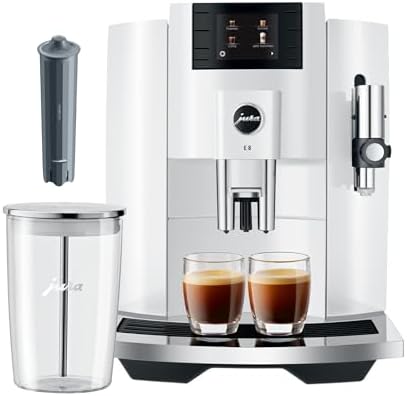
To start as a home barista, good tools for quality coffee are required. Some of the most critical ones include an espresso machine, a grinder, a milk frother, and various brewing techniques. All of them are vital for the manufacture of coffee.
Espresso Machine
An espresso machine is the hub of any home business. Manual, semi-automatic, and automatic models are available. Choose one to match your skill level and level of experience desired. Newbies will enjoy a solid balance of control and convenience from a semi-automatic model. Your budget will vary, so take that into consideration as well.
Coffee Grinder
A high-quality coffee grinder is an essential item. Freshly ground coffee beans are required for the best flavors and aromas. Burr grinders are better than blade grinders. They produce a consistent grind size, which enhances coffee extraction. When choosing a grinder, consider grind size options and capacity for your needs.
Milk Frother
A frother for milk is also required for home café beverages. Steam wands on espresso machines or stand-alone frothers help create velvety milk for cappuccinos and lattes. Manual or automatic frothers are your choice of convenience and control.
Brewing Methods and Maintenance
It is necessary to familiarize yourself with brewing. Techniques like pour-over, French press, and Aeropress produce different flavors. Experiment with these to see what you like. Cleaning and servicing your machine correctly keep it in working order for a long time and in good shape. This makes every cup enjoyable.
Learning Coffee Techniques and Recipes
Mastering techniques and recipe development is what being a home barista is all about. Every technique produces different flavors, with different tastes. Practicing these techniques greatly improves your skills.
Popular Brewing Methods
French press is very common. It steep coarse coffee in hot water to make a rich coffee. No additional equipment beyond the press is required, making it perfect for the novice. Pour-over techniques like Chemex or Hario V60 emphasize water temperature and pouring to make a clean, aromatic coffee. Espresso made under pressure is the base for lattes and cappuccinos.
Steaming Milk and Novice Recipes
The art of frothing milk is crucial for frothy beverages. Smooth milk is obtained with a steaming wand for cappuccinos or lattes. Familiarity with diverse milks (alternate, skim, whole) helps to pick the right one based on taste and dietary needs. Easy recipes like the latte (same proportion of espresso and steamed milk with foam) are perfect for beginners. Experiment with syrups, spices, or matcha lattes to achieve variety.
Online Resources and Classes
There are numerous online resources available to continue your education in coffee. Websites, videos, and eBooks offer training in brewing and recipes. Online courses provide interactive education from experts that build on your skills and coffee industry knowledge.
Building Your Coffee Knowledge and Community
Educating oneself to be a skilled home barista starts with understanding the coffee itself. This includes bean origin, coffee plant types, and roast levels. Get basic knowledge through books, coffee films, and internet coffee farming and brewing classes. Understanding the Arabica and Robusta beans, for example, greatly influences flavor.
Learning Coffee Origins
Following the history of coffee is crucial. Each region will have unique beans due to climate, soil, and processing. Knowing different coffee-producing nations broadens your enjoyment of diverse flavors. Knowing how height and fermentation affect flavor allows you to select and prepare multiple coffees.
Participation in the Coffee Community
Being a member of the coffee community can be an added learning experience. Social media is dynamic communities that share tips and experiences. Online forums and hashtags connect you with veteran baristas and newcomers. Local tastings or meetups offer firsthand learning, tasting brews and sharing techniques.
Sharing Your Coffee Journey
Sharing your experience in blogs, video, or social media opens the door to comments and companionship. Experiment with small tastings to gather feedback. Developing such connections deepens your knowledge and enthusiasm, laying a solid foundation as a proficient home barista.
The barista’s role has dramatically changed around the world, becoming integral to coffee culture. In the past, a barista merely prepared and served coffee. Today, it involves more duties and expertise. Contemporary baristas prepare beverages and make coffee culture happen. They usually converse with customers about brewing methods, where the beans come from, and their flavors.
The primary duty of a barista is preparing various coffee beverages. These include espresso-based coffee drinks like lattes, cappuccinos, and macchiatos, and regular drip coffee. Equipment operation, such as grinders and espresso machines, is a required skill. Knowledge of various coffee beans and how brewing methods affect the end product is equally important. Such knowledge creates a personalized coffee experience, which fosters appreciation for the craft.
Required Interpersonal Skills
Interpersonal skills are necessary for this position. Skilled baristas deal with customers, making sometimes suggestions on their drink preferences based on taste. This enhances customer satisfaction. Attention to detail ensures that each drink meets quality. Creativity comes in handy while developing new recipes or latte art. Skilled baristas appreciate coffee. This is shown through their work and shines on the environment of the café.
More Than Just Coffee
Ultimately, being a barista is about more than just brewing coffee. It’s a mix of technical competence, customer service knowledge, and vast coffee culture expertise. This two-way street of a job is all about the entire experience, inviting coffee aficionados to return.
Essential Equipment for Home Baristas To start as a home barista, good tools for quality coffee are required. Some of the most critical ones include an espresso machine, a grinder, a milk frother, and various brewing techniques. All of them are vital for the manufacture of coffee.
Espresso Machine An espresso machine is the hub of any home business. Manual, semi-automatic, and automatic models are available. Choose one to match your skill level and level of experience desired. Newbies will enjoy a solid balance of control and convenience from a semi-automatic model. Your budget will vary, so take that into consideration as well.
Coffee Grinder
A high-quality coffee grinder is an essential item. Freshly ground coffee beans are required for the best flavors and aromas. Burr grinders are better than blade grinders. They produce a consistent grind size, which enhances coffee extraction. When choosing a grinder, consider grind size options and capacity for your needs.
Milk Frother A frother for milk is also required for home café beverages. Steam wands on espresso machines or stand-alone frothers help create velvety milk for cappuccinos and lattes. Manual or automatic frothers are your choice of convenience and control.
Brewing Methods and Maintenance
It is necessary to familiarize yourself with brewing. Techniques like pour-over, French press, and Aeropress produce different flavors. Experiment with these to see what you like. Cleaning and servicing your machine correctly keep it in working order for a long time and in good shape. This makes every cup enjoyable.
Learning Coffee Techniques and Recipes Mastering techniques and recipe development is what being a home barista is all about. Every technique produces different flavors, with different tastes. Practicing these techniques greatly improves your skills.
Popular Brewing Methods French press is very common. It steep coarse coffee in hot water to make a rich coffee. No additional equipment beyond the press is required, making it perfect for the novice. Pour-over techniques like Chemex or Hario V60 emphasize water temperature and pouring to make a clean, aromatic coffee. Espresso made under pressure is the base for lattes and cappuccinos.
Steaming Milk and Novice Recipes
The art of frothing milk is crucial for frothy beverages. Smooth milk is obtained with a steaming wand for cappuccinos or lattes. Familiarity with diverse milks (alternate, skim, whole) helps to pick the right one based on taste and dietary needs. Easy recipes like the latte (same proportion of espresso and steamed milk with foam) are perfect for beginners. Experiment with syrups, spices, or matcha lattes to achieve variety.
Online Resources and Classes
There are numerous online resources available to continue your education in coffee. Websites, videos, and eBooks offer training in brewing and recipes. Online courses provide interactive education from experts that build on your skills and coffee industry knowledge.
Building Your Coffee Knowledge and Community
Educating oneself to be a skilled home barista starts with understanding the coffee itself. This includes bean origin, coffee plant types, and roast levels. Get basic knowledge through books, coffee films, and internet coffee farming and brewing classes. Understanding the Arabica and Robusta beans, for example, greatly influences flavor.
Learning Coffee Origins
Following the history of coffee is crucial. Each region will have unique beans due to climate, soil, and processing. Knowing different coffee-producing nations broadens your enjoyment of diverse flavors. Knowing how height and fermentation affect flavor allows you to select and prepare multiple coffees.
Participation in the Coffee Community
Being a member of the coffee community can be an added learning experience. Social media is dynamic communities that share tips and experiences. Online forums and hashtags connect you with veteran baristas and newcomers. Local tastings or meetups offer firsthand learning, tasting brews and sharing techniques.
Sharing Your Coffee Journey
Sharing your experience in blogs, video, or social media opens the door to comments and companionship. Experiment with small tastings to gather feedback. Developing such connections deepens your knowledge and enthusiasm, laying a solid foundation as a proficient home barista.
When deciding on a wok, there are a number of considerations to be kept in mind like the type of material, cooking technique, and upkeep. The most common woks are the conventional carbon steel and non-stick woks. They both have their own special characteristics that may influence your cooking.
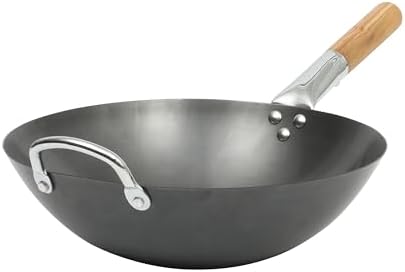
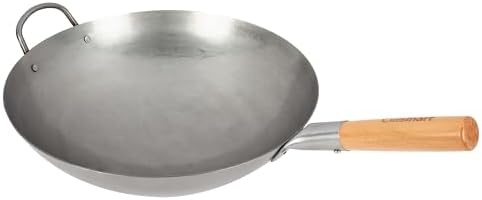
Most chefs prefer carbon steel woks because they conduct heat well. They heat quickly and distribute heat evenly, making them well-suited to high-heat cooking techniques such as stir-frying. The wok develops a natural non-stick surface over time if seasoned correctly, which gives food texture and flavor. Carbon steel woks do require special maintenance, however, since they will rust if not cared for correctly. Periodic seasoning after cleaning is necessary to preserve its cooking qualities and appearance.
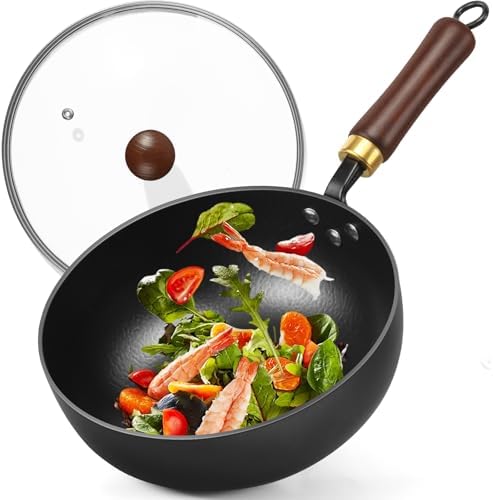
Non-stick woks, however, offer ease and convenience, especially for those who are new in the kitchen. It requires less oil in cooking, which reduces the calorie content of food. Non-stick surfaces also facilitate cleaning since food does not stick easily. However, these woks are less tolerant of high heat compared to their carbon steel counterparts, and that may interfere with their performance in certain cooking methods. Non-stick coatings also wear out over time, especially if metal utensils are used.
Your own cooking style and preference should also be significant factors in your decision. If you like high-heat cooking and vibrant stir-fries, a carbon steel wok can be more suitable. If you prefer hassle-free cooking and cleaning, a non-stick wok can be more suitable for you. With these factors and understanding the difference with regards to durability, performance, and maintenance, you can make a smart decision that would complement your cooking endeavors.
Cleaning Your New Wok
Before embarking on the seasoning process of your new wok, it is essential to thoroughly clean it to eliminate any factory residues or protective coatings that may be present. This initial cleaning will prepare your wok’s surface for the seasoning, ensuring that the flavors developed during cooking are not compromised by lingering chemicals.
To start the cleaning process, bring a large pot of water to a boil. Gently place your wok into the boiling water and allow it to stay for a few minutes. Heat will help soften the factory oil or coatings. Following this, it is advisable to take a non-abrasive sponge or a soft cloth and gently scrub the interior surface of the wok. Do not use strong chemicals or soaps, as these will leave behind undesirable residues and could influence the cooking qualities of the wok.
As you scrub, pay special attention to areas that have an oily or greasy feeling, as there may be residual coatings in these spots. Be sure that you are thorough about it, getting the sides and exterior of the wok as well. When you are satisfied with the scrubbing, rinse the wok thoroughly with hot water to remove any loosened debris.
After rinsing, it is necessary to dry the wok completely. Woks are generally made of carbon steel or cast iron, and both of these tend to develop rust if there is any dampness remaining. The best method to dry the wok is to place it over low heat on the stovetop for a few minutes so that the water evaporates well. When the wok is completely dry, you can proceed with the seasoning process with the confidence that your wok is clean and prepared for optimum performance.
The Seasoning Process
Seasoning a new wok is a significant process in preparing it for cooking, as not only does it create a natural non-stick surface, but it also protects the wok from rust and corrosion. The procedure begins by washing the wok in warm soapy water with a soft sponge, rinsing thoroughly, and drying completely. This removes any factory oils or residue that may be present on the wok and gives a clean surface to start the seasoning process.
Now that the wok is dry, it is time to heat it. Place the wok on a stove over medium-high heat. What you want to do is get it to a stage where you see the metal ever so slightly change color, in that it is now hot enough to move on to the next steps. One useful tip is to watch the wok get dull instead of shiny, which is an indication that it has reached the proper temperature.
Next, take vegetable oil or flaxseed oil and apply an appropriate oil.
Spread a thin layer of oil evenly over the inside surface of the wok using a paper towel or a cloth. Be frugal with the oil so as not to allow too much to accumulate since this will lead to a sticky residue. With the oil applied, continue to heat the wok. You will begin to notice the oil begin to smoke; this indicates that the seasoning has begun. Allow the wok to smoke for a few minutes, as this will enable the oil to polymerize and form a protective layer.
After the initial smoking, turn off the heat and allow the wok to cool. Once cooled, you may repeat the oiling and heating process two to three times for a well-seasoned surface. Each session enhances the non-stick properties and fortifies a protective layer. Proper seasoning of your wok not only optimizes its use but also extends its lifespan, making it a kitchen favorite.
Maintaining Your Wok
Proper maintenance is crucial for ensuring the longevity and functionality of your wok. After seasoning your wok, which creates a protective layer, it is essential to adopt appropriate care practices to maintain that seasoning and prevent any deterioration. Cleaning your wok promptly after use is a critical part of this process. It is advisable to avoid using harsh detergents, as these can strip away the seasoning. Alternatively, mild soap, if necessary, can be used with warm water to clean your wok. For sticky food residue, it is recommended to use a soft sponge or cloth, rather than abrasive scrubbers, which scratch the surface.
Drying
After cleaning, drying your wok is important. Water spots on the surface can lead to rust, compromising the integrity of the seasoning. A low stovetop heat will dry up any remaining water. A thin coating of cooking oil will then reinstate the seasoning and protect the wok from oxidation. Vegetable oil or flaxseed oil is commonly used and can be applied to the surface using a paper towel. This not only maintains the seasoning of the wok but also contributes to the nonstick quality.
Storage is also an important factor in keeping your wok in good condition. It is best to keep your wok in a dry area, hanging if possible, to prevent scratching. Also, putting a paper towel within the wok will draw out any moisture and help to keep it from oxidizing. Do not stack your wok on top of other cookware, as this will scratch and harm the seasoning. By using these simple yet effective maintenance techniques, you will have your wok in top working condition and it will keep giving you excellent performance in your cooking endeavors for many years to come.
The material of a wok generally determines its cooking performance, longevity, and maintenance when you select a wok. Carbon steel, cast iron, stainless steel, and non-stick coating are the most popular materials used by wok manufacturers. Each of these materials possesses unique properties that are appropriate for different cooking techniques.
Professional cooks like carbon steel woks because they conduct heat exceptionally well and are sensitive to changes in heat. Carbon steel woks heat quickly and evenly, allowing the precise control required in methods such as stir-frying. You must season them, however, to prevent them from being sticky, and dry them immediately after washing them so that they won’t rust.
Cast iron woks also provide better heat retention but are heavier compared to carbon steel woks.
They are very durable and can withstand high heat for an extended period of time. Some cast iron woks come pre-seasoned, which improves their non-stick properties right out of the package. Although they provide better heat retention, they also require the same maintenance as carbon steel woks and take longer to heat up.
Stainless steel woks are corrosion-resistant, rust-resistant, and durable. They are not as good at conducting heat as carbon steel or cast iron but provide a non-reactive surface that is well suited to cooking acidic foods. They may not provide the same responsiveness to heat as other materials, which can impact techniques like stir-frying that capitalize on high, direct heat.
Lastly, non-stick woks are convenient to use and require minimal oil for cooking. Making them appealing to individuals who prefer ease of use. Their performance can be relatively inconsistent based on the quality of the coating used, and they tend not to perform as well at high heat as the traditional materials. Understanding the pros and cons of each wok material will go a long way in ensuring. You make a highly informed purchase decision that will suit your cooking needs and expectations.
Wok Sizes and Shapes: Finding the Right Fit
When you select a wok, it helps to know the various shapes and sizes because they significantly affect cooking performance and compatibility with your kitchen setup. The round-bottom wok, being the traditional wok, is designed for stovetop cooking with concentrated heat points, such as gas burners. This shape allows for efficient heat distribution and offers a natural stirring motion while stir-frying. A flat-bottom wok, however, is better suited for electric or induction stovetops, as this offers a flat base and a nearer approach to heating elements. Both styles offer unique advantages that can enhance your cooking experience.
Woks typically range from 10 to 16 inches in diameter when it comes to size. The size you choose should align with the amount you’ll be cooking and the number of servings you normally prepare. A smaller wok may be ideal for singles and small families, allowing quick stir-frying of vegetables and protein. Larger woks, however, provide the space for batch cooking and can support bigger meal preparation, so they are more ideal for family dinners and get-togethers.
The other important factor is the depth of the wok. Deeper woks allow for more space for ingredients, minimizing the risk of spilling and enabling you to cook with larger amounts of food. Consider the weight of the wok as well; lighter woks can be more convenient to use, while heavier ones can offer better heat retention and cooking stability.
Lastly, when choosing a wok, consider both its shape and size according to your specific cooking styles and kitchen equipment. Having these in mind will enable you to choose a wok that not only fits your stovetop but also one that will facilitate your cooking tasks effectively.
Key Features to Look for
Selecting the right wok relies on some key features that significantly contribute to its performance and overall cookware experience. Among the most critical aspects to consider is the ergonomic handle design. Properly designed handles offer balance during cooking, enabling home cooks to toss food conveniently. In addition, well-crafted handles foster safe storage, as they allow users to hold the wok securely without slipping or accidental scalding.
The other important aspect to keep in mind when purchasing a wok is its weight. A heavier wok retains heat better, distributing it evenly across its surface. This can lead to improved cooking, particularly when stir-frying. Lighter pans, while easier to maneuver, may not be capable of achieving high heat, which is necessary for achieving that good sear in stir-fried dishes. Therefore, you should choose a well-balanced wok that offers a suitable weight to achieve the best cooking result.
Compatibility with various heat sources is increasingly important in kitchens nowadays. A majority of the new woks are induction cooktop compatible, which requires specific materials to conduct heat effectively. Invest in a wok that will not only perform well on electric or gas ranges but also on induction systems without sacrificing performance. Such compatibility guarantees greater versatility in cooking to adapt to different cooking setups.
In addition, modern woks now come with extra features, including lids and steaming racks, that can really make a big difference in their usability. Such add-ons enable steaming, braising, or even slow cooking in the wok itself, thereby rendering it a multi-purpose kitchen utensil. Taking these facts into consideration, a properly selected wok can turn into a valuable possession. Taking your cooking habits and meal preparations to a new level.
Tips for Maintaining Your Wok
Caring for your wok is important for it to last longer and function at its best. With proper care, a big difference can be experienced, particularly with cast iron or carbon steel woks, as they need special care methods. Firstly, seasoning your wok is important. Seasoning not only improves the non-stick capabilities but also keeps rust at bay. To season your wok, clean it thoroughly with hot water and a soft scrubber and dry it completely. Then apply a thin coat of oil and heat the wok over medium-high heat until the wok starts to smoke. You have to repeat the process several times to build a good non-stick coating.
It is also necessary that you clean your wok after each use. Even though you might be tempted to use soap, it is generally not advisable since it will strip the seasoning. Simply rinse your wok with warm water and wipe off food bits using a soft sponge or brush. If there are some stubborn bits, try to sprinkle salt on the surface and scrub it gently. Always dry the wok completely after cleaning to avoid moisture accumulation, which leads to rust.
Storage is also something you should not overlook
To prevent scratching and maintain the seasoning, store your wok in a cool, dry area. Putting a paper towel or rag between the wok and any other pots and pans will pad the surface. Also, never submerge your wok in water or leave it in a damp area, as this will cause rust and ruin the seasoning.
Prevent typical mistakes, such as overheating the wok or using metal utensils, since they will also reduce its lifespan. It’s advised to use silicone or wooden utensils to preserve the wok’s surface. By using these handy care guidelines, you’ll be able to enjoy the advantages of your wok for an extended period. Adding to your cooking experiences and tastes.