Home Blog Page 66

Grind Size 101: How to Match Coffee Grinds to Brew Methods

Choosing the right grind size is also one of the first and most important skills that every home barista must master. It directly affects flavor, strength, and overall success of your coffee. Whether you brew with a French press, espresso machine, or pour-over dripper, it’s all about getting the grind size right for the brewing device to unlock your coffee’s full potential.

Why Grind Size Matters

Coffee extraction depends on how the water interacts with the ground coffee. If your grind is too fine or too thick for your method, it’ll lead to under-extraction (sour, weak taste) or over-extraction (harsh, bitter taste). Hence, knowledge of grind size isn’t so much a question of taste it’s science.

Easy Grind Size Test

Not sure if your grind is right? Test it like this:
After brewing, check the flavor. If it tastes too sour or watery, your grind may be too coarse. If it’s bitter or harsh, it may be too fine. Over time, you’ll train your palate and your eye to recognize the right texture.

Also, make sure to check your brewing time. If your pour-over is significantly longer than usual, you are probably grinding too fine. If it’s moving too fast, you are probably too coarse.

It might take some trial

Understanding and adjusting your grind size is one of the simplest yet most effective ways to brew better coffee at home. It might take some trial and error, but with each cup, you’ll develop a better sense of control and confidence in your barista journey.

So next time you’re brewing, take a closer look at those grounds you might be just one adjustment away from your best cup yet.

Expert Coffee Terms Every Home Barista Should Master (Glossary Level 3)

Introduction

You’ve got the basics down espresso, grind size, and crema are no longer alien words. Now’s the time to step up your home barista game. This advanced glossary will introduce you to intermediate and technical coffee jargon that will take your brewing to the next level. If you’re experimenting with manual brewers or mastering your espresso shots, these terms will help you understand the art of every cup.

Channeling

Channeling occurs when water passes unevenly through the coffee puck during espresso extraction. It is most commonly due to poor tamping or uneven distribution of grounds. Channeling produces under- and over-extraction in the same shot, affecting flavor and crema texture.

Avoid it by spreading your grounds evenly and using consistent tamping pressure.

Dose

Dose refers to the amount of ground coffee used for one shot of espresso, typically measured in grams. A common starting point is 18 to 20 grams for a double shot. Adjusting your dose changes the flavor intensity and extraction time, so it’s essential to dial it in based on taste.

Yield

Yield refers to the amount of liquid espresso that finds its way into your cup. It is typically measured in terms of grams or milliliters. You can establish a standard ratio, say 1:2—20g dose to yield around 40g of espresso. Measuring the yield helps you be consistent and balanced with your brews.

Brew Ratio

Brew ratio compares the amount of coffee to the yield of the beverage. For espresso, this is usually 1:2 or 1:2.5, and for pour-over might be 1:15. This ratio modifies strength and mouthfeel. It is essential to know brew ratios in making recipes.

Total Dissolved Solids (TDS)

TDS measures the level of the soluble content of the coffee that ends up in your cup. TDS is usually expressed as a percentage and read from a refractometer. While not absolutely required for beginners, understanding TDS can help advanced home baristas improve clarity and balance of flavors.

Extraction Time

Extraction time is how long water interacts with the coffee grounds. For espresso, this usually falls between 25 to 30 seconds. Timing your shots ensures you’re neither over- nor under-extracting your coffee, both of which can drastically alter flavor.

Pre-infusion

Pre-infusion is a preliminary low-pressure phase of espresso brewing. It allows the coffee puck to become saturated evenly before applying the entire pressure. The technique reduces channeling and provides balanced extraction, especially with fresh, very fine coffee grinds.

Blooming (Extended Concept)

You may already know that blooming releases gases off freshly ground coffee. On a more technical level, the bloom phase can be manipulated in terms of time and amount of water to regulate flavor extraction. Larger bloom phases extract more sweetness and body.

Agitation

Agitation refers to physically disturbing or moving the coffee grounds while brewing stirring, swirling, or shaking. Used with pour-over, AeroPress, and French press brewing, agitation helps to induce extraction but needs to be controlled to avoid bitterness.

Retention

Retention refers to coffee grounds left behind in your grinder after a grind. Too much retention will lead to inconsistent doses and stale grinds in your subsequent brew. Baristas at home purge a minimal dose of coffee with every session to maintain consistency.

It means your brewing becomes more intentional

Stepping into the world of fancy coffee lingo doesn’t mean everything gets confused it means your brewing becomes more intentional. Learning these words gives you the power to troubleshoot problems, refine techniques, and produce more tasty and uniform offerings. The farther you go on your home barista journey, so will your terminology and that’s half the fun.

Coffee Glossary for Home Baristas: Essential Terms for Beginners

Starting your home barista journey is fun and fulfilling. As much as you don’t have to be professional, knowing the basics of coffee varieties will elevate your brewing and allow you to make café-quality drinks at home. In this book, we’ll cover the basics of coffee types that home baristas should know before getting into espresso machines, milk frothers, and intricate latte art.

Espresso – Your Creativity Base

Espresso is the foundation of many popular coffee drinks. As a home barista, mastering a basic espresso shot opens the door to lattes, cappuccinos, mochas, and more. It’s made by forcing hot water through finely ground coffee beans under high pressure, resulting in a bold, concentrated shot. Even if you’re using a simple manual espresso machine or a stovetop moka pot, learning how to extract a balanced shot is step one.

Americano – Easiest and Most Satisfying

An Americano is a good starting point if you like the espresso to be less strong. It’s simply espresso with hot water added to it. This keeps the body of the espresso but tones down its strength. Being a beginner, it also allows you to practice pulling espresso shots without worrying so much about milk texturing yet.

Latte – A Household Favorite

The latte is a home coffee lover’s favorite. It consists of one or two shots of espresso, steamed milk, and a thin froth on top. You can do a good latte at home with a milk frother or even by heating and shaking milk in a jar. The interaction between the milk and the espresso is what creates a creamy and well-balanced latte.

Cappuccino – Strong with a Foamy Finish

Cappuccinos are confused with lattes but consist of more foam and less milk. Typically made with the same ratios of espresso, steamed milk, and foam milk, they have a stronger coffee flavor. Getting a handle on the skill of manipulating milk texture is key here. The good news is that plenty of cheap milk frothers can help you get that silky, airy foam at home.

Flat White – Silky and Strong

Flat whites are for anyone who prefers a strong coffee flavor without too much milk. It’s similar to a latte but with microfoam rather than frothed milk, which is slightly smoother. To make this at home, just froth the milk gently and pour it over a double shot of espresso.

Cold Brew – Perfect for Hot Days

Cold brew is a cinch to make at home. Simply steep coarse coffee beans in cold water for 12–24 hours and filter. You have a low-acid, smooth coffee perfect for serving over ice. Add milk or flavored syrups for a customized drink. It’s ideal when you want to make a batch ahead of time.

Mocha – For the Sweet Tooth

If you’re a chocolate and coffee aficionado, the mocha is a must master. It’s literally a latte with chocolate syrup added to it. Home-made, you can mix cocoa powder and sugar together with some hot water to create your own mocha base. Then pour in espresso and steamed milk. It’s rich, comforting, and perfect for cold winter mornings.

Mastering the most popular coffee types

A home barista requires neither expensive equipment nor professional training. Mastering the most popular coffee types is the starting point to brew confidently at home. You can make café-quality coffee at home immediately by mastering the basics of espresso, milk drinks, and cold brews.

So grab your French press, espresso machine, or Aeropress and become an artist. The more you learn about these drinks, the more you will realize the art of home brewing.

Coffee Types Every Home Barista Should Know

Starting your home barista journey is fun and fulfilling. As much as you don’t have to be professional, knowing the basics of coffee varieties will elevate your brewing and allow you to make café-quality drinks at home. In this book, we’ll cover the basics of coffee types that home baristas should know before getting into espresso machines, milk frothers, and intricate latte art.

Espresso – Your Creativity Base

Espresso is the foundation of many popular coffee drinks. As a home barista, mastering a basic espresso shot opens the door to lattes, cappuccinos, mochas, and more. It’s made by forcing hot water through finely ground coffee beans under high pressure, resulting in a bold, concentrated shot. Even if you’re using a simple manual espresso machine or a stovetop moka pot, learning how to extract a balanced shot is step one.

Americano – Easiest and Most Satisfying

An Americano is a good starting point if you like the espresso to be less strong. It’s simply espresso with hot water added to it. This keeps the body of the espresso but tones down its strength. Being a beginner, it also allows you to practice pulling espresso shots without worrying so much about milk texturing yet.

Latte – A Household Favorite

The latte is a home coffee lover’s favorite. It consists of one or two shots of espresso, steamed milk, and a thin froth on top. You can do a good latte at home with a milk frother or even by heating and shaking milk in a jar. The interaction between the milk and the espresso is what creates a creamy and well-balanced latte.

Cappuccino – Strong with a Foamy Finish

Cappuccinos are confused with lattes but consist of more foam and less milk. Typically made with the same ratios of espresso, steamed milk, and foam milk, they have a stronger coffee flavor. Getting a handle on the skill of manipulating milk texture is key here. The good news is that plenty of cheap milk frothers can help you get that silky, airy foam at home.

Flat White – Silky and Strong

Flat whites are for anyone who prefers a strong coffee flavor without too much milk. It’s similar to a latte but with microfoam rather than frothed milk, which is slightly smoother. To make this at home, just froth the milk gently and pour it over a double shot of espresso.

    Cold Brew – Perfect for Hot Days

    Cold brew is a cinch to make at home. Simply steep coarse coffee beans in cold water for 12–24 hours and filter. You have a low-acid, smooth coffee perfect for serving over ice. Add milk or flavored syrups for a customized drink. It’s ideal when you want to make a batch ahead of time.

    Mocha – For the Sweet ToothIf you’re a chocolate and coffee aficionado, the mocha is a must master. It’s literally a latte with chocolate syrup added to it. Home-made, you can mix cocoa powder and sugar together with some hot water to create your own mocha base. Then pour in espresso and steamed milk. It’s rich, comforting, and perfect for cold winter mornings.

      Mastering the most popular coffee types

      A home barista requires neither expensive equipment nor professional training. Mastering the most popular coffee types is the starting point to brew confidently at home. You can make café-quality coffee at home immediately by mastering the basics of espresso, milk drinks, and cold brews.

      So grab your French press, espresso machine, or Aeropress and become an artist. The more you learn about these drinks, the more you will realize the art of home brewing.

      Essential Coffee Types Every Aspiring Barista Should Know

      Understanding the Barista’s Role

      The barista’s role has dramatically changed around the world, becoming integral to coffee culture. In the past, a barista merely prepared and served coffee. Today, it involves more duties and expertise. Contemporary baristas prepare beverages and make coffee culture happen. They usually converse with customers about brewing methods, where the beans come from, and their flavors.

      Key Responsibilities

      The primary duty of a barista is preparing various coffee beverages. These include espresso-based coffee drinks like lattes, cappuccinos, and macchiatos, and regular drip coffee. Equipment operation, such as grinders and espresso machines, is a required skill. Knowledge of various coffee beans and how brewing methods affect the end product is equally important. Such knowledge creates a personalized coffee experience, which fosters appreciation for the craft.

      Required Interpersonal Skills

      Interpersonal skills are necessary for this position. Skilled baristas deal with customers, making sometimes suggestions on their drink preferences based on taste. This enhances customer satisfaction. Attention to detail ensures that each drink meets quality. Creativity comes in handy while developing new recipes or latte art. Skilled baristas appreciate coffee. This is shown through their work and shines on the environment of the café.

      More Than Just Coffee

      Ultimately, being a barista is about more than just brewing coffee. It’s a mix of technical competence, customer service knowledge, and vast coffee culture expertise. This two-way street of a job is all about the entire experience, inviting coffee aficionados to return.

      Essential Equipment for Home Baristas

      To start as a home barista, good tools for quality coffee are required. Some of the most critical ones include an espresso machine, a grinder, a milk frother, and various brewing techniques. All of them are vital for the manufacture of coffee.

      Espresso Machine

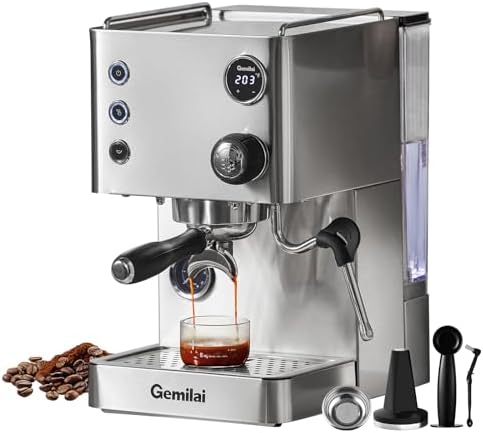
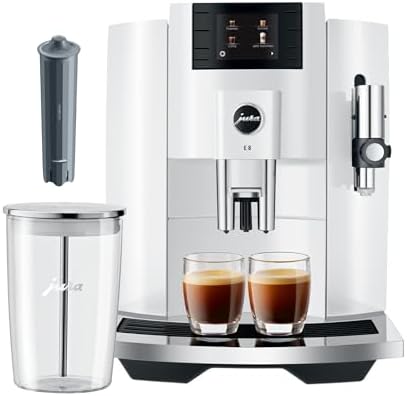
      An espresso machine is the hub of any home business. Manual, semi-automatic, and automatic models are available. Choose one to match your skill level and level of experience desired. Newbies will enjoy a solid balance of control and convenience from a semi-automatic model. Your budget will vary, so take that into consideration as well.

      Coffee Grinder

      A high-quality coffee grinder is an essential item. Freshly ground coffee beans are required for the best flavors and aromas. Burr grinders are better than blade grinders. They produce a consistent grind size, which enhances coffee extraction. When choosing a grinder, consider grind size options and capacity for your needs.

      Milk Frother

      A frother for milk is also required for home café beverages. Steam wands on espresso machines or stand-alone frothers help create velvety milk for cappuccinos and lattes. Manual or automatic frothers are your choice of convenience and control.

      Brewing Methods and Maintenance

      It is necessary to familiarize yourself with brewing. Techniques like pour-over, French press, and Aeropress produce different flavors. Experiment with these to see what you like. Cleaning and servicing your machine correctly keep it in working order for a long time and in good shape. This makes every cup enjoyable.

      Learning Coffee Techniques and Recipes

      Mastering techniques and recipe development is what being a home barista is all about. Every technique produces different flavors, with different tastes. Practicing these techniques greatly improves your skills.

      Popular Brewing Methods

      French press is very common. It steep coarse coffee in hot water to make a rich coffee. No additional equipment beyond the press is required, making it perfect for the novice. Pour-over techniques like Chemex or Hario V60 emphasize water temperature and pouring to make a clean, aromatic coffee. Espresso made under pressure is the base for lattes and cappuccinos.

      Steaming Milk and Novice Recipes

      The art of frothing milk is crucial for frothy beverages. Smooth milk is obtained with a steaming wand for cappuccinos or lattes. Familiarity with diverse milks (alternate, skim, whole) helps to pick the right one based on taste and dietary needs. Easy recipes like the latte (same proportion of espresso and steamed milk with foam) are perfect for beginners. Experiment with syrups, spices, or matcha lattes to achieve variety.

      Online Resources and Classes

      There are numerous online resources available to continue your education in coffee. Websites, videos, and eBooks offer training in brewing and recipes. Online courses provide interactive education from experts that build on your skills and coffee industry knowledge.

      Building Your Coffee Knowledge and Community

      Educating oneself to be a skilled home barista starts with understanding the coffee itself. This includes bean origin, coffee plant types, and roast levels. Get basic knowledge through books, coffee films, and internet coffee farming and brewing classes. Understanding the Arabica and Robusta beans, for example, greatly influences flavor.

      Learning Coffee Origins

      Following the history of coffee is crucial. Each region will have unique beans due to climate, soil, and processing. Knowing different coffee-producing nations broadens your enjoyment of diverse flavors. Knowing how height and fermentation affect flavor allows you to select and prepare multiple coffees.

      Participation in the Coffee Community

      Being a member of the coffee community can be an added learning experience. Social media is dynamic communities that share tips and experiences. Online forums and hashtags connect you with veteran baristas and newcomers. Local tastings or meetups offer firsthand learning, tasting brews and sharing techniques.

      Sharing Your Coffee Journey

      Sharing your experience in blogs, video, or social media opens the door to comments and companionship. Experiment with small tastings to gather feedback. Developing such connections deepens your knowledge and enthusiasm, laying a solid foundation as a proficient home barista.

      How to Start Your Journey as a Home Barista

      Understanding the Barista’s Role

      The barista’s role has dramatically changed around the world, becoming integral to coffee culture. In the past, a barista merely prepared and served coffee. Today, it involves more duties and expertise. Contemporary baristas prepare beverages and make coffee culture happen. They usually converse with customers about brewing methods, where the beans come from, and their flavors.

      Key Responsibilities

      The primary duty of a barista is preparing various coffee beverages. These include espresso-based coffee drinks like lattes, cappuccinos, and macchiatos, and regular drip coffee. Equipment operation, such as grinders and espresso machines, is a required skill. Knowledge of various coffee beans and how brewing methods affect the end product is equally important. Such knowledge creates a personalized coffee experience, which fosters appreciation for the craft.

      Required Interpersonal Skills

      Interpersonal skills are necessary for this position. Skilled baristas deal with customers, making sometimes suggestions on their drink preferences based on taste. This enhances customer satisfaction. Attention to detail ensures that each drink meets quality. Creativity comes in handy while developing new recipes or latte art. Skilled baristas appreciate coffee. This is shown through their work and shines on the environment of the café.

      More Than Just Coffee

      Ultimately, being a barista is about more than just brewing coffee. It’s a mix of technical competence, customer service knowledge, and vast coffee culture expertise. This two-way street of a job is all about the entire experience, inviting coffee aficionados to return.

      Essential Equipment for Home Baristas
      To start as a home barista, good tools for quality coffee are required. Some of the most critical ones include an espresso machine, a grinder, a milk frother, and various brewing techniques. All of them are vital for the manufacture of coffee.

      Espresso Machine
      An espresso machine is the hub of any home business. Manual, semi-automatic, and automatic models are available. Choose one to match your skill level and level of experience desired. Newbies will enjoy a solid balance of control and convenience from a semi-automatic model. Your budget will vary, so take that into consideration as well.

      Coffee Grinder

      A high-quality coffee grinder is an essential item. Freshly ground coffee beans are required for the best flavors and aromas. Burr grinders are better than blade grinders. They produce a consistent grind size, which enhances coffee extraction. When choosing a grinder, consider grind size options and capacity for your needs.

      Milk Frother
      A frother for milk is also required for home café beverages. Steam wands on espresso machines or stand-alone frothers help create velvety milk for cappuccinos and lattes. Manual or automatic frothers are your choice of convenience and control.

      Brewing Methods and Maintenance

      It is necessary to familiarize yourself with brewing. Techniques like pour-over, French press, and Aeropress produce different flavors. Experiment with these to see what you like. Cleaning and servicing your machine correctly keep it in working order for a long time and in good shape. This makes every cup enjoyable.

      Learning Coffee Techniques and Recipes
      Mastering techniques and recipe development is what being a home barista is all about. Every technique produces different flavors, with different tastes. Practicing these techniques greatly improves your skills.

      Popular Brewing Methods
      French press is very common. It steep coarse coffee in hot water to make a rich coffee. No additional equipment beyond the press is required, making it perfect for the novice. Pour-over techniques like Chemex or Hario V60 emphasize water temperature and pouring to make a clean, aromatic coffee. Espresso made under pressure is the base for lattes and cappuccinos.

      Steaming Milk and Novice Recipes

      The art of frothing milk is crucial for frothy beverages. Smooth milk is obtained with a steaming wand for cappuccinos or lattes. Familiarity with diverse milks (alternate, skim, whole) helps to pick the right one based on taste and dietary needs. Easy recipes like the latte (same proportion of espresso and steamed milk with foam) are perfect for beginners. Experiment with syrups, spices, or matcha lattes to achieve variety.

      Online Resources and Classes

      There are numerous online resources available to continue your education in coffee. Websites, videos, and eBooks offer training in brewing and recipes. Online courses provide interactive education from experts that build on your skills and coffee industry knowledge.

      Building Your Coffee Knowledge and Community

      Educating oneself to be a skilled home barista starts with understanding the coffee itself. This includes bean origin, coffee plant types, and roast levels. Get basic knowledge through books, coffee films, and internet coffee farming and brewing classes. Understanding the Arabica and Robusta beans, for example, greatly influences flavor.

      Learning Coffee Origins

      Following the history of coffee is crucial. Each region will have unique beans due to climate, soil, and processing. Knowing different coffee-producing nations broadens your enjoyment of diverse flavors. Knowing how height and fermentation affect flavor allows you to select and prepare multiple coffees.

      Participation in the Coffee Community

      Being a member of the coffee community can be an added learning experience. Social media is dynamic communities that share tips and experiences. Online forums and hashtags connect you with veteran baristas and newcomers. Local tastings or meetups offer firsthand learning, tasting brews and sharing techniques.

      Sharing Your Coffee Journey

      Sharing your experience in blogs, video, or social media opens the door to comments and companionship. Experiment with small tastings to gather feedback. Developing such connections deepens your knowledge and enthusiasm, laying a solid foundation as a proficient home barista.

      Classic Meals

      - Advertisement -