Home Blog Page 60

Coffee Knock Boxes Explained: Why Every Espresso Setup Needs One

If you’ve ever struggled with disposing of used coffee grounds from your portafilter, a knock box might be the simple upgrade your coffee station needs. While it might seem like a minor accessory, a good knock box can significantly improve your brewing workflow and keep things tidy.
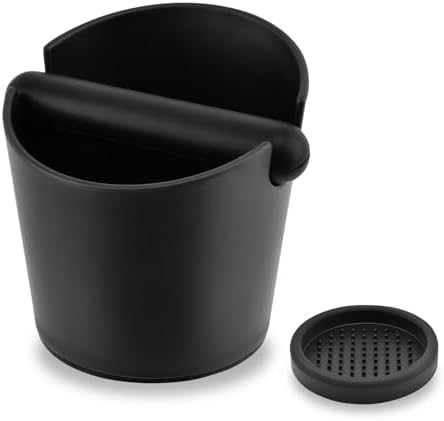
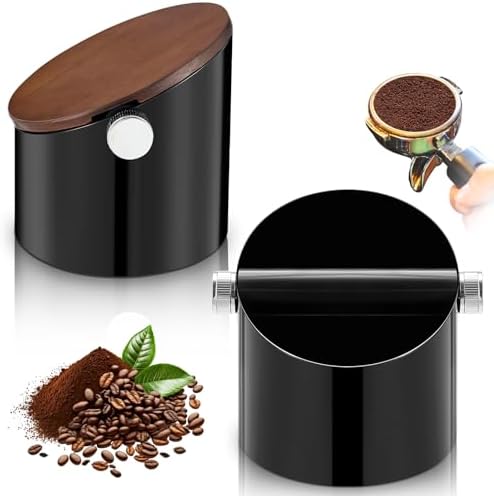
Let’s break down what a knock box is, how to use it properly, and why it’s an essential tool for home baristas.

What Is a Coffee Knock Box?

A coffee knock box is a small bin with a padded bar across the top that you use to receive spent espresso grounds (or pucks) from your portafilter. You knock the portafilter against the bar to neatly deposit the puck into the bin—no fuss, no mess.

Why You Need One

Keeps Your Workplace Clean: Instead of banging your portafilter against a sink or trash can, a knock box contains the mess.

Saves Your Equipment: The padded bar is gentle on your portafilter, reducing wear and tear.

Streamlines Cleanup: One quick knock and the puck is gone no scraping with a spoon required.

Eco-Friendly Use: Grounds collected can be reused in your garden or composted instead of going straight to the trash bin.

Key Features to Look For

  1. Size

Compact enough for small counters, or large capacity for high use.

  1. Build Quality

Stainless steel or heavy-duty plastic knock boxes last longer.

Rubber bases prevent them from slipping during use.

  1. Bar Design

A heavy-duty rubberized bar absorbs the shock and minimizes noise.

Removable bars make cleaning and rinsing easy.

How to Use a Knock Box

Place your portafilter over the box.

Tap it firmly against the bar to loosen the puck.

Rinse and empty the box regularly to avoid odor or accumulation.

Pro Tip: Don’t let used pucks sit for too long wet grounds can mold quickly.

More Benefits

No More Clogged Drains: Avoid rinsing grounds down your sink.

Neater Workflow: Place the knock box near your grinder or machine for a smooth flow.

Stylish Addition: Knock boxes usually have modern designs that match your coffee style.

If you’re committed

It might not be as glamorous as a grinder or espresso machine, but a knock box is one of those unsunt. If you’re committed to making great espresso, having a reliable way to dispose of your grounds is non-negotiable.
Coffee Accessories on Amazon

Understanding the Role of a Coffee Tamper: How It Affects Espresso Quality

Tamper comes in. Small but mighty, this simple tool can make or break your espresso shot. In this guide, we’ll break down what a coffee tamper does, why it matters, and how to choose the right one for your setup.

What Is a Coffee Tamper?

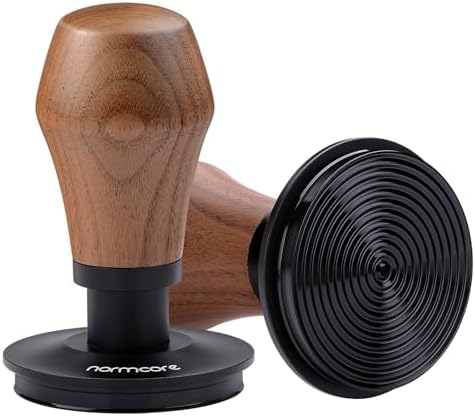
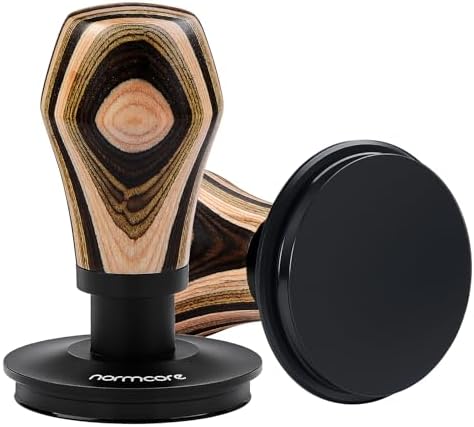
A coffee tamper is a tool for forcing ground coffee evenly into the basket of the portafilter of an espresso machine. The process is called tamping, and it creates a flat, dense coffee puck that water can flow through at the proper pressure.

Why Tamping Is Important

Proper tamping ensures:

Even extraction: When grounds are forced into the basket evenly, water flows evenly through the puck. This translates into equal flavor and not one spot of over- or under-extraction.

Proper resistance: A consistent firm tamp gives your espresso machine the resistance needed to produce pressure and extract properly.

Consistent shots: Sufficient tamping technique enables you to achieve the same shot every time.

Forgoing tamping or improper tamping can lead to:

Channeling (water running through weak spots or cracks)

Sour or bitter coffee

Uneven crema

Types of Coffee Tampers

  1. Flat vs. Convex

Flat tampers flatten the grounds evenly and suit most baristas.

Convex tampers are very slightly curved and can reduce edge channeling but require more practice.

  1. Calibrated Tampers

These apply the same amount of force every time, ideal for beginners who like things consistent.

  1. Palm or Push Tampers

Framed with a vertical force action (e.g., a push), these can potentially eliminate wrist strain and increase ergonomic consistency.

What to Look For in a Tamper

Size: Match the diameter of your tamper to your portafilter (usually 58mm or 53mm).

Weight: More control with a heavier tamper without having to press too hard down.

Handle Comfort: Choose a shape and material that feels comfortable in your hand.

Technique Tips for Better Tamping

Distribute first: Even out the grounds in the basket before tamping.

Tamp straight: Press down firmly and evenly vertically.

Polish the puck: A gentle turn of the end can buff the surface and avoid channeling.

Consistency is everything. Tamping technique practice is one of the simplest methods to get better at espresso.

Tamping can unlock

A coffee tamper may appear to be a small tool, but it’s essential to espresso brewing. Tamping can unlock the maximum potential of your beans and unlock deeper, richer flavors in each cup.

If you’re serious about espresso, don’t overlook the tamper it might be the difference between goo

read more: Top Entry-Level Espresso Machines for Home Baristas

Coffee Accessories on Amazon

Coffee Kettles 101: Choosing the Right Gooseneck Kettle for Precision Pouring

When working with manual brewing methods like pour-over or Chemex, your kettle isn’t just a vehicle for heating water. It’s your precision instrument. If you’ve ever struggled with controlling your pour or hitting the optimal brew temperature, a quality gooseneck kettle can be a lifesaver.

Here’s what you should know to choose the perfect one for your home bar.

Why Do You Need a Gooseneck Kettle?

A gooseneck kettle is not just a way of appearing pro on your coffee bar. It’s designed to give you a good level of control over the direction and flow of water, which you need for:

Even saturation of grounds

Control of extraction during the bloom and pour phases

Prevention of channeling or over-extraction

In short: it helps you brew tastier coffee more consistently.

Key Features to Consider

  1. Spout Shape & Flow Control

The defining feature of a gooseneck kettle is the long, narrow spout. Look for one with:

A smooth, controllable flow rate

A balanced handle that pours naturally

A design that minimizes drips or splashing

  1. Built-in Thermometer or Temperature Control

Temperature of the water is critical for optimal extraction (usually between 195–205°F / 90–96°C). Some kettles include built-in thermometers or even electric ones where you can set the exact temperature.

  1. Stovetop vs. Electric

Stovetop kettles are simple, cheap, and durable.

Electric gooseneck kettles offer better control, fast heat-up, and adjustable temperature. Great for accuracy and convenience.

  1. Material & Build Quality

The standard is stainless steel, but newer models feature:

Copper for looks and heat efficiency

Glass for modern design

Coated finishes for better grip and insulation

Top Picks by Budget

Entry-Level: Hario V60 Buono – simple and easy for beginners

Mid-Range: Fellow Stagg Stovetop – streamlined, ergonomic, with built-in thermometer

Premium: Fellow Stagg EKG Electric – temperature control, LCD display, and timer

Bonus: Personal Tip

I didn’t expect to notice as big of a difference when I initially switched from a regular kettle to a gooseneck. But after a few weeks of use, I was brewing more consistently, my bloom was more balanced, and flavors started to come through like never before.

Trust me it’s not hype.

Final Thoughts

If you’re serious about pour-over or any manual brewing method, a gooseneck kettle is a game-changer. It offers control, consistency, and confidence three things every home barista could use.

So next time your brew tastes a bit off, don’t just blame the beans. It might be your kettle.

read more: Home Barista Setup: Beginner to Pro Guide

Coffee Accessories on Amazon

Why a Gooseneck Kettle Is a Must-Have for Manual Brewing

If you’re using a pour-over method like the V60 or Chemex but still using a standard kettle, you’re holding back on your brew so much more than you even know. A gooseneck kettle is not some fancy indulgence for coffee geeks; it’s a necessary tool for anyone who desires control, consistency, and cup quality.

What Is a Gooseneck Kettle?

A gooseneck kettle features an extended, slender spout shaped like a goose’s neck how it is named. This design gives you complete control over the water flow out of the kettle, and it is ideal for hand-brewing methods.

Why It Matters

Here is why you must have a gooseneck kettle as a home barista:

  1. Precision in Pouring

The long, curved spout is how you can pour water slowly and evenly, which is essential for:

Saturating grounds evenly during bloom

Controlling flow rate in brewing

Avoiding channeling (water short-circuits grounds)

  1. Enhanced Extraction

Uneven pouring equals uneven extraction—and a subpar cup. A gooseneck kettle provides even saturation to all grounds, which leads to:

Even taste

More consistent brews

Better repeatability

  1. Best for Blooming

During the bloom phase, you need to wet the coffee bed lightly but not make it saturated. A gooseneck allows you to just do that with precision, without agitating the grounds.

  1. Improved Ergonomics

Most gooseneck kettles consider barista comfort:

Easy grip handles

Balanced weight distribution

Improved control without wrist strain

Electric vs. Stovetop Gooseneck Kettles

Electric

Faster heating

Temperature control settings (ideal for coffee)

read more: Are Coffee Tasting Notes Real or Just Marketing?

Auto shut-off features

Examples: Fellow Stagg EKG, Brewista Artisan

Stovetop

Less costly and easier

Ideal for those who don’t mind lack of manual control

Examples: Hario V60 Buono, Kalita Wave Kettle

What to Look for in a Gooseneck Kettle

Precision spout design: Look for an evenly flowing balanced spout.

Temperature control (for electric): Ideal brewing temperature of 195–205°F (90–96°C).

Capacity: 0.8–1.2 liters is the norm for home brew.

Build quality: Stainless steel or high-quality coated materials for durability.

Aesthetics: Come on appearance matters in a stylish home setup!

Do You Really Need One?

If you’re just getting your toe wet with pour-over brewing, it’s probably overkill. But try one and you’ll see why baristas love them. It’s about doing pour-over versus mastering pour-over.

Coffee Accessories on Amazon

Choosing the Right Coffee Scale: Why Precision Matters in Brewing

For anyone serious about getting to the next level of home brewing, a coffee scale is one of the most overlooked but life-altering pieces of equipment you can own. Eyeballing measurements and scoops might be good enough for the most part, but in reality, precision makes all the difference between an ordinary cup and an actually great cup.

Why a Coffee Scale Is Essential

You might ask: Can’t I just use a tablespoon? Not if consistency and taste matter to you.

Coffee brewing is a chemistry process based on ratios specifically, the coffee-to-water ratio. A scale enables you to:

Brew the same excellent cup every time

Prevent over- or under-extraction

Tune in your ideal flavor profile

Reduce waste from guessing

Whether you’re working with a pour-over setup or French press, having exact knowledge of how much coffee and water you’re using puts you in full control.

Key Features to Consider in a Coffee Scale

In selecting the ideal coffee scale, these are the features that really matter:

Precision and Accuracy

Opt for at least 0.1g resolution.

Essential for espresso and pour-over brewing.

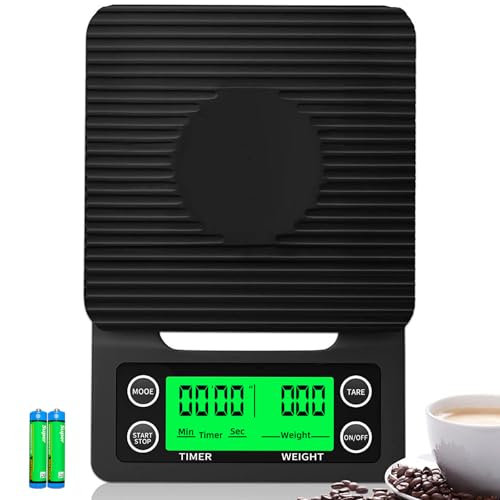
Built-in Timer

particularly helpful for timing pour-overs or bloom stages.

Removes the need for a separate external stopwatch.

Responsive Display

A slow display ruins your rhythm in timed pours.

Opt for real-time feedback with zero lag.

Water Resistance

There’s water involved in brewing coffee. Spills are inevitable.

A waterproof or at least water-resistant housing adds ruggedness.

Size and Portability

Opt for a small version if there isn’t much counter space.

Some scales are also great travel setups.

Auto Shutoff Settings

Useful for battery saving, but please make sure it doesn’t shut down in the middle of the brew!

Recommended Coffee Scales

  1. Acaia Pearl

Industry-best among aficionados

Fast response time and app connectivity

Minimalist, stylish design

  1. Hario V60 Drip Scale

Precise and consistent with pour-over

Timer built-in

Affordable and compact

  1. Timemore Black Mirror

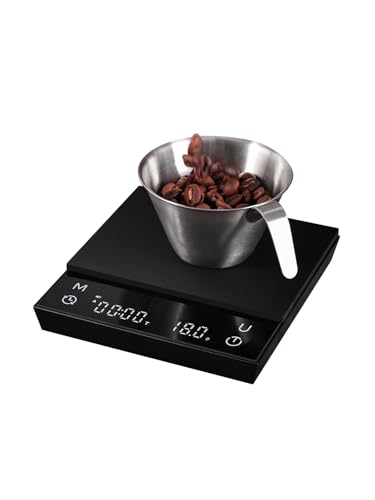
Beautiful looks with touch-sensitive screen

Rechargeable USB battery

Perfect for beginners and enthusiasts alike

  1. Greater Goods Digital Coffee Scale

Budget-friendly

Timer and tare functions available

Perfect for beginners

Pro Tips for Using Your Scale

Tare frequently: Reset the scale between water and coffee addition.

Measure water as well: Weighing water keeps you on ratio.

Use with each cup: Even your morning cup habit comes from consistency.

Final Thoughts

A good coffee scale is not just a tool—it’s an open door to elevate your brewing with intention. Once you start measuring intentionally, you can’t go back. From calibrating your perfect brew ratio to replicating a great cup morning after morning, it adds precision where there used to be guesswork.

So are you still scooping and hoping, or prepared to start brewing in confidence?

Coffee Accessories on Amazon

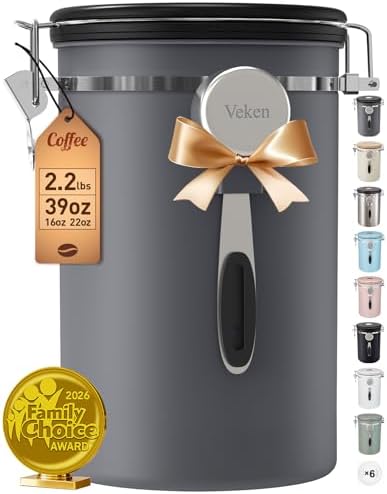
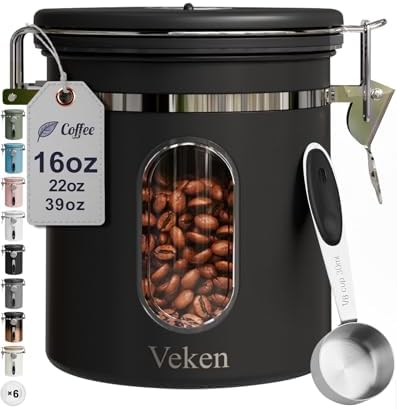
Best Coffee Storage Containers: Keeping Your Beans Fresh Longer

Fresh coffee beans are the secret to a great brew but let’s be real, they’re also surprisingly delicate. Air, light, heat, and moisture can all make their flavor and aroma take a turn for the worse in a jiffy. That’s why decent storage isn’t just a good thing to have it’s a must-have. Whether you’re a weekend coffee warrior or a home barista who obsesses over grind size and bloom time, a good storage container is a simple upgrade that protects your investment in high-quality beans.

Why Proper Coffee Storage Matters

Imagine buying freshly roasted beans from your favorite local roaster, only to find them tasting flat within a week. That’s often due to oxidation. Coffee beans begin losing flavor almost immediately after roasting, and improper storage accelerates that process.

Good coffee storage containers help by:

Blocking oxygen and moisture

Preventing exposure to sunlight

Reducing contact with heat sources

Preserving essential oils and aromas

Features to Look For in a Coffee Container

Before you choose any airtight jar, consider these features that make a difference:

Airtight Seal – Keeps oxygen out, which is the main culprit for stale coffee.

UV Protection – Jars with colored or opaque walls keep beans away from light.

One-Way CO₂ Valve – Lets built-up gases escape without letting air in (ideal for newly roasted beans).

Material – BPA-free plastic or stainless steel is great; clear glass is best avoided unless in a dark cabinet.

Size – Select a size that will hold your average bean supply to reduce excess air inside.

Best Coffee Storage Containers to Look For

Some of the best ones loved by professionals and home baristas are as follows:

  1. Fellow Atmos Vacuum Canister

Twist mechanism vacuum seal

Airtight and modern

Available in matte black or stainless steel

  1. Airscape Coffee Storage Canister

Two-way valve system actively removes air

Stainless steel construction with tight seal

Excellent for storing large quantities

  1. Coffee Gator Stainless Steel Container

Integrated CO₂ valve and date-tracking wheel

Sleek and durable

Perfect for daily use

  1. OXO Good Grips POP Container

Easy to use and inexpensive

Airtight press-button seal

Best for those on a budget (though not UV protected)

Tips for Maximizing Freshness

Avoid freezing: Though it might be a temptation, condensation will hurt the beans.

Store in a cool, dark location: A cabinet or pantry that is away from heat is best.

Buy in small quantities: If beans are not being used up rapidly, then less is better.

It’s a game-changer

A proper coffee container might seem like a small thing, but to anyone who genuinely cares about taste, it’s a game-changer. By allowing you to keep your beans fresh for longer, you’re not just extending shelf life you’re making each cup reach its potential.

So, what’s the best container for your brewing method? And more importantly are you storing your beans properly?

Coffee Accessories on Amazon

Classic Meals

- Advertisement -