Home Blog Page 33

Pantry Makeover: Organizing Dry Goods with Rubbermaid Brilliance Canisters

We all have that one shelf in the pantry. You know the one: half-used pasta packages lined up, a flour bag spewing its contents in the form of powdery goodness all around, and the brown sugar that transforms from being sweet to hard enough to shatter glass.
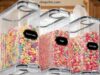
A pantry organization project is about more than just looks; it is about waste. When you can’t see it, you buy it because you aren’t sure if you already own it. When your bags aren’t closed, food becomes rancid (or even infested).

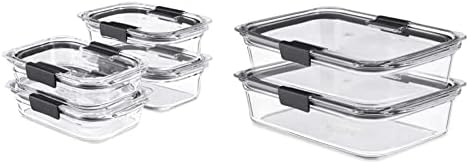
Although glass jars have gained many fans, they tend to be rather heavy and slippery. It’s for this reason why many professional organizers have turned to Rubbermaid Brilliance food storage containers when it comes to storing dry foods in their households.

Below is the guide that will help analyze how to turn your pantries into efficient systems.

The “Air-Tight” Truth: Why It Matters

The primary reason to decant your dry goods isn’t just to make it look like an Instagram photo. It is chemistry.

  • Humidity Control: The Rubbermaid Brilliance comes equipped with a 100% airtight silicone seal. This is important when storing hygroscopic ingredients such as brown sugar or dried fruits, as they absorb moisture and lump.
  • Pantry Pest Barrier: If you have ever tried to control pantry moths (weevils), you recognize that these pests can easily drill through cardboard and thin plastic bags. The only effective protection is a hard plastic and locked top.

Sizing Guide: What Fits Where

One thing that is most frustrating when shopping for storage containers online is trying to determine if your groceries will indeed fit into the containers that you are ordering. We calculated that for you below for Rubbermaid Brilliance Pantry Containers:

1. The 16-Cup Container (The Workhorse)

This is the tall, rectangular one.

  • What fits: It holds a standard 5lb bag of Flour or Sugar.
  • Note: You need to aerate the flour by tapping the bag on the countertop to accommodate the exact 5lbs of it. You can also use it to hold bulk packs of rice or breakfast cereal.

2. The 12-Cup Container

  • What it is for: Designed for regular boxes of cereal, large pretzel bags, or 3lbs of pasta (spaghetti, penne).
  • Why it is preferred: It is slightly shorter and thus easier to pack on bookshelves.

3. The 7.8-Cup Container

  • What fits: A standard bag of granola, a bag of coffee beans, or 2lbs of dried beans/lentils.
  • Best usage: Things you use on a weekly basis, but don’t buy in enormous quantities.

4. The 3.2-Cup Container

  • What might work: Nuts, chocolate chips, baking soda, or specialty grains such as quinoa.

The “Tetris” Effect: Stacking

The brilliance of the Brilliance series lies in its modular design. These containers not only stack but also lock.

The edges are slightly elevated, so the container on top will rest firmly inside the edge of the container below it. This way, you will be able to make use of the space inside the pantry. A mess of partially empty bags will no longer be on the shelf floor, but instead, you will be able to stack nutrient towers.

The Downsides: Honest Feedback

There’s no such thing as the perfect product. Two things you might want to think about before buying the whole line include:

  1. Static Cling: As these products are manufactured using Tritan plastic material, there may be a static cling with fine materials like flour or powdered sugar when they are brand new. However, it will soon be gone after the initial washing and use.
  2. Price Tag: A complete makeover of your pantry using Rubbermaid Brilliance does come with a price tag. This is much costlier than generic storage containers found at dollar stores. Its longevity, or lack of cracking when it is bumped, is often worth it, though.

Step-by-Step Makeover

Ready to organize? Don’t just use Random sizes. Follow this protocol:

  1. Empty and Audit: Get all the groceries and take it all out. Examine the expiration dates. Throw away the stale crackers.
  2. Group by Category: Bake sale items need to be categorized together, as do picnic items.
  3. Measure Your Stock: Check your regular buying. Are you buying 2lb rice or 10lb rice? Buy the pack that suits your buying habit, not the other way around.
  4. Label Everything: While the containers are clear, the similarity between the white flour and the mix is spot on. A cheap label maker and/or chalk-marking pens can solve this problem. Label the containers and the pro tip is to date the mix on the bottom.

These containers are lighter than glass containers

If you’re fed up with having to send moldy food to the trash and want your pantry to be as functional as a commercially equipped kitchen, Rubbermaid Brilliance Storage Containers are the way to go. These containers are lighter than glass containers, tighter-sealing than general-brand containers, and finally put the “where do I stick this 5lb bag of flour?” question to rest.

Bentgo vs. OmieBox: Which Lunch Box Keeps Food Warm Better?

Every parent will recognize the scenario. You prepare a yummy warm lunch nuggets, mac ‘n cheese, or leftovers and by lunchtime, it’s a warm-but unappetizing goo.

When hunting down a solution that reigns supreme on the playground, there are two contenders that top the list: the omnipresent Bentgo lunch box and the heavy-duty OmieBox.

But what’s interesting is this: Both contenders position themselves as the better lunch box option despite being designed for radically different functions. So if you’re asking which solution will better keep lunches warm? The answer isn’t even a contest.

In this comparative analysis, we’re going to explore the science behind both solutions their advertised ‘leak-resistant design’ and ergonomics providing an informed guide on which box belongs in the backpack.

The “Heat Test”: Warmth Retention

Let’s get down to business right away.

The OmieBox: The Hot Specialist

The first interesting fact about the OmieBox is that it comes pre-loaded with a vacuum-sealed thermos container made of high-quality stainless steel.

  • How it Works: Boil water and pour it into the thermos for five minutes to prime it. Drain it out. Fill it with hot food and lock it.
  • The Result: This will keep food ‘warm’ for some 4 to 6 hours. It won’t be piping hot at lunchtime, but it will remain safe and warm.
  • Bonus: You can pack warm noodles and cold fruits into the same box side-by-side since the thermos is isolated.

The Bentgo (Kids/Fresh/Chill): The Cold Warrior

The standard Bentgo lunch boxes are made of ABS Plastic equipped with a silicone seal.

  • The Truth: A standard Bento box boasts zero thermal insulation properties.
  • The Result: If you pack nuggets warmed at 7:00 AM, by 12:00 PM they will be room temperature. Moreover, the box specifically warns against packing extremely hot food as it may create a vacuum seal that prevents opening.

Winner: OmieBox (By a landslide).

The “Leak-Proof” Factor

While OmieBox wins on heat, does it hold liquids?

  • Bentgo: This takes the cake. The rubber seal on the top completely creates separate compartments. You can put ranch dressing next to a sandwich, and they will never touch. It is foolproof.
  • OmieBox: The thermos is “Leak-proof” if (and only if) the lid is seated correctly. However, the side compartments are “leak-resistant” rather than “leak-proof.” If you put applesauce in the side square and the box gets jostled, you might have a mess.

Winner: Bentgo.

Weight and Usability (The “Backpack” Test)

This is the critical part of the comparison which parents tend to overlook until they are shoulder-deep in boxes.

  • OmieBox Weight: The OmieBox weighs 1.7 pounds empty. That is a full backpack’s worth of heavy. Add the food, and the preschooler’s backpack becomes burdensome. Also, the thermos lid requires decent wrist strength to unscrew.
  • Bentgo Weight: The Bentgo Kids version weighs about 1.2 pounds. It uses two easy-turn latches that allow even a 3-year-old to access the contents in seconds.

Winner: Bentgo.

Comparison at a Glance

FeatureBentgo Lunch Box (Kids/Prints)OmieBox
Keeps Food Hot?No (Cold/Room Temp only)Yes (Thermos included)
Keeps Food Cold?Yes (Especially “Bentgo Chill”)Yes (Side compartments)
Leak-Proof?100% (Individual compartments)Only the thermos; sides vary
WeightLightweightHeavy (Bulky)
Dishwasher Safe?Tray only (Hand wash shell)High Maintenance (Hand wash)
Best For…Picky eaters / GrazingHot lunch fans (Pasta/Soup)

The “Bentgo Hack” (If You Want Both)

For those fans of the Bentgo layout who want the convenience of a hot lunch without overloading the backpack:

The Expert’s Hack:

For cold lunches, the regular Bentgo is sufficient. For hot days, buy a separate, small thermos (like a Thermos Funtainer) and pack it alongside the Bentgo. Yes, it’s two items to carry, but it guarantees the Bentgo won’t warp and the food stays hot.

Final Verdict: Which to Buy?

Choose the OmieBox if:

Your child will not willingly consume anything cold. If hot meals like nuggets, mac-‘n-cheese, or soup are a daily requirement, the weight is worth it.

Choose the Bentgo if:

Your child is a grazer who likes variety (cheese, crackers, fruit). It is lighter, easier to open, and completely leak-proof for dips and sauces.

How to Remove Stains and Odors from Rubbermaid  Glass Food Storage Containers

We’ve all been there. You grab for the plastic box to pack your lunch, but as soon as you open the top, you are assaulted by the lingering spirit of last week’s garlic curry. Or, worse yet, the plastic is now permanently stained “Spaghetti Orange.”

Even good quality products such as Rubbermaid Brilliance, which advertise themselves as being stain-resistant food storage, may be no match for the bright colors offered by turmeric, tomato sauce, and oil if they are not maintained well.

Instead of discarding stained Tupperware containers, why not give these 4 easy methods a try? They might just make them look good as new.

The Science of the Stain: Why Does This Happen?

To clean it, you have to know it. Most plastic boxes have a porous structure at a microscopic level. The colors of common foods like tomatoes (lycopene) or turmeric (curcumin) have a property called hydrophobicity meaning they repel water and attract oil.

Since plastics are also oil-based substances, these pigments bond on a molecular level. This is why the simple act of washing the container with soap and water is ineffective; you are attempting to break a chemical bond.

Method 1: The “Baking Soda Paste” (For Stubborn Spots)

Baking soda is the holy grail of housecleaning. It is used here as a mild abrasive that scrubs away pigments without eating away at the plastic.

  • The Recipe: Mix 2 tablespoons baking soda with enough water to create a thick paste.
  • The Application: Spread the paste over the areas where there are stains.
  • The Wait: Let it sit for at least 30 minutes (or overnight for heavy stains).
  • The Finish: Clean with a non-scratch sponge and rinse. In many cases, this process removes the “orange ring” residue left from pasta sauce.

Method 2: The Vinegar Soak (For Lingering Smells)

If your container appears clean but smells like a locker room, you are going to want to use an acid to remove the bacteria and oils trapped in the pores of the plastic.

  • The Process: Fill the container with a solution of 50% water and 50% white vinegar.
  • The Wait: Let it soak for 1 hour.
  • The Rinse: Wash with soap and water. The vinegar scent will dissipate as it dries, taking the funky food odors with it.

Method 3: The “TikTok Hack” (Dish Soap & Paper Towel)

This technique went viral for a reason: it actually works well to remove greasy residue.

  1. Add a few drops of dish soap into the stained container.
  2. Add some warm water.
  3. Tear a piece of paper towel and toss it in.
  4. Shut the lid tightly and shake it vigorously for 45-60 seconds.

Why it works: The paper towel acts as a scrubber inside the soapy vortex, wiping the oil off the porous surface more effectively than static soaking.

Method 4: Nature’s Bleach (Sunlight)

When chemicals don’t work, resort to the help of the sun. The UV rays are a natural bleaching agent for lycopene stains.

  • The Move: Wash your container, then put it outside in direct sunlight for 2 to 3 hours.
  • The Result: You will be amazed at how quickly the yellow/orange tint fades. This is the safest way to clean older and scratched Rubbermaid containers.

Prevention: Stop the Stain Before It Starts

The key to stain removal is stain prevention. Here is the golden rule on how to ensure your stain-resistant food storage stays clear:

  1. The Oil Barrier: Spray a thin layer of cooking oil (olive or canola) inside the container before adding chili or tomato sauce. This acts as a temporary barrier between the pigment and the plastic.
  2. Cold Water First: When cleaning, rinse with cold water first. Hot water expands the pores of the plastic, locking the stains in deeper. Only switch to hot water once you have removed the residue.

When to Let Go? (The Safety Check)

Sometimes, a container is beyond repair. If your Rubbermaid container has:

  • Deep scratches (which harbor bacteria),
  • A cloudy white haze that does not wash off (heat damage),
  • Or a warped lid that fails to seal properly…

Then no amount of baking soda will save it. It’s time to recycle it and get a new set. Maybe it’s time to treat yourself to a glass set with no stain worries!

Is Rubbermaid Brilliance Glass Food Storage Review Microwave Safe?

We’ve all been there: It’s lunch hour, you’re starving, and you’re standing in front of the office microwave holding your meal prep container. You stare at the plastic, then at the timer, and a question jumps into your brain: Is this actually safe to nuke?

While it is true that glass is usually considered king in the kitchen, high-quality plastic containers such as Rubbermaid Brilliance have dominated the market because of being lightweight, shatterproof, and crystal clear. However, when heat enters the equation, the conversation turns from convenience to chemistry.

In this deep dive, we will answer the burning question: Is Rubbermaid Brilliance microwave safe? We go beyond the label for an understanding of the material science, durability limits, and safety best practices for your kitchen.

The Short Answer: Yes, But…

Let’s start with the official verdict. Yes, Rubbermaid Brilliance containers are microwave safe.

Materials in the Brilliance line of products are designed to handle microwave temperatures without melting, warping, or leaching harmful chemicals, per the manufacturer and FDA standards, but again only if you use them appropriately.

However, “microwave safe” is not “invincible.” It is important to understand why they are safe by looking at what they are made from.

The Science of Safety: What is Tritan™ Plastic?

Unlike those cloudy, flimsy takeout containers of the past made from cheap Polypropylene, Rubbermaid Brilliance is crafted from a specialized material called Tritan™ Copolyester.

That is the secret to both its clarity and its safety profile. Herein is why Tritan matters when looking for microwave-safe containers:

1. BPA-Free and BPS-Free

Most people know to look for “BPA-Free” labels. Bisphenol A, more commonly known as BPA, is a chemical compound often found in plastics that has been linked with potential health issues. Rubbermaid Brilliance is certified BPA-Free.

But here is where Brilliance goes a step further: it’s also BPS-Free (Bisphenol S). Some manufacturers replace BPA with BPS. Some studies suggest that the latter could have similar effects, too. Since Tritan plastic is free of all bisphenols, that makes this plastic one of the safest options when it comes to contact with food.

2. Resistance to High Temperature

Tritan is engineered to withstand higher temperatures compared to standard plastics. This just means that it doesn’t warp inside of a dishwasher and can handle a standard 2-minute reheat cycle without becoming shapeless.

The “Venting” Feature: An Important Detail

One of the greatest features in the design of the Rubbermaid Brilliance is the latch system. These steam vents are built-in under the clips, for which latches must be lifted when microwaving.

  • Safety Benefit: This allows steam to escape, preventing a buildup of pressure that could explode your lid or your lunch.
  • Convenience: It acts like a splatter guard and keeps your microwave clean while your food is evenly heated.
  • Pro Tip: Never microwave with the latches locked down. Always click them up to engage the vents.

Durability Watch: When “Microwave Safe” Has Limits

Even the best-of-the-best microwave-safe containers have kryptonite. While Rubbermaid Brilliance is very durable, some foods can affect its aesthetic and texture over time.

The “Sugar and Fat” Danger Zone

Microwaves heat water molecules. However, oils (fats) and sugars can reach temperatures far higher than the boiling point of water (212°F / 100°C).

Food with a lot of fat (most greasy curries, cheese sauces, and butter) or sugar (such as syrups), if heated for a while, can become hot enough to chemically ‘attack’ the surface of the plastic. This is called “pitting”: tiny, rough eroded spots on the bottom of the container.

The Solution: If you are heating up a super oily lasagna or anything that contains lots of sugar inside the glaze, I would recommend putting it on a ceramic plate first, or using a lower setting with shorter interval steps.

Best Practices for Microwaving in Plastic

By observing the following golden rules, maximum safety and longevity of your Rubbermaid Brilliance set are assured.

  1. Reheat, not cook: These containers are for reheating leftovers and not for cooking a raw meal from scratch for 20 minutes.
  2. Stir halfway through: Microwaves heat food very unevenly, often creating “hot spots.” Stop the microwave halfway through the time and stir your food. This helps ensure that hot parts of your food are not continuously touching certain parts of the plastic, which could cause it to overheat.
  3. Check for Wear and Tear: If your container becomes cloudy, heavily scratched, or cracked, it’s time to retire it. Tritan might be tough, but scratches over time can harbor bacteria.
  4. Hand wash if possible: While dishwasher-safe, high heat in the drying cycle combined with harsh detergents can eventually cause “crazing” (fine hairline cracks) over years.

Final Verdict: Should You be Worried?

If you prefer the lightweight convenience of plastic for your meal prep, then Rubbermaid Brilliance is probably the safest option available in the market today. The Tritan construction eliminates any bisphenol fears and its structural integrity is considerably better than standard Tupperware.

However, if you are looking for a completely inert material against tomato stains or extreme heat, you may need to take a look at the glass version of this product line.

Bentgo Meal Prep Containers Review: Is It Only Good for Instagram?

Let’s be real here: plain black meal prep containers are pretty depressing looking. They scream “gym rat eating cold chicken in a car.”

Bentgo Prep is the answer to this problem. These colorful products, passionately promoted under names like “Mint” and “Gold,” are presented as the “premium” option to generic containers. They are sure to look awesome on a feed, but will they perform well within the chaotic environment of a typical office kitchen?

  • #1 Brand Pick for Meal Prep Containers: Bentgo is the top pick for meal prep containers!* This lightweight, portable 20-…
  • Perfect for Portion-Control: Each container’s 4-cup capacity and embossed measurements make portioning easy to support b…
  • Durable & Reusable: Made from tough, PFAS- and BPA-free materials, these meal prep containers are built to last through …

As we dived into what users on r/Bento and r/MealPrepSunday had to say, we wondered whether these cute containers would stand up well to actual use or if they’re nothing more than overpriced Ziploc bags.

The “Spaghetti Incident”: Will It Stain?

The largest hazard in purchasing “Mint” colored plastics is, obviously, Tomato Sauce.

The Harsh Reality: As per users’ views, light colors don’t forgive.

  • The Stain Test: When you reheat spaghetti bolognese or yellow curry in these, it will stain at the bottom. This characteristic differs from black vessels because, instead of hiding stains, the Mint base tends to retain red and yellow pigments.
  • The Fix: You can soak them with OxiClean or let them sit out in the sun to bleach the stain, but who has time for that? If you eat as much red sauce as I do, you will find that these beautiful containers won’t remain so beautiful for very long.

“Custom-Fit” Lids: Marketing vs. Physics

Bentgo boasts of the “Custom-Fit” design of its lids. However, does that imply they are leak-proof?

Salad vs. Soup: The covers truly have a better quality of construction compared to the generic ones. They click nicely and fit exactly around the edge.

  • For Solids: The seal on the container is great if you are boxing a salad, pasta, or a sandwich.
  • For Liquids: Don’t be caught up in the hype. There is no silicone gasket. If you fill this with soup and turn it on its side in your tote bag, it will leak. It’s better than those cheap takeout containers, but it’s not Rubbermaid Brilliance.

Microwave Test: No More “Rough Spots”

We’ve all had those cheap plastic containers that begin to develop rough white spots (pitting) when microwaved with oily food.

The Quality Check: This is where Bentgo defends its cost. Users have stated that the plastic utilized in Bentgo is more solid and smooth to the touch compared to similar products such as Glotoch or Enther.

  • Heat Resistant: Whether it is oily dishes or sauces, the material is highly resistant to pitting and melting in comparison to lower-priced alternatives. Reheating your lunch is not going to make you eat microplastics along with your lasagna.

Aesthetics as a Feature: The “Motivation” Factor

Is it worth paying twice as much just because it comes in a great color?

Actually, yes for a certain type of individual. Comments on Reddit forums like r/1200isplenty mention that having a “cute” set of matching containers actually motivates them to meal prep. If having the Mint green box will make you more stoked about eating your home-cooked lunch instead of grabbing fast food, then the ROI is instantaneous. It’s more of a lifestyle choice.

Longevity: The Dishwasher Effect

How long will these last before they warp?

  • The Timeline: The majority of users experience 6+ months of continuous usage before wear becomes visible.
  • The Weakness: The base is very strong, but the lids eventually lose the “snap” when they are put in the dishwasher every day. The lids don’t warp off into useless shapes like cheap brands, but they do loosen up. Hand-washing the lids will extend their life significantly.

Final Verdict: Who Should Buy This?

Buy Bentgo Prep If:

  • You Need Motivation: You want your fridge to look organized and aesthetically pleasing to inspire you to cook.
  • You Eat “Safe” Foods: What you eat for lunch is primarily salad, sandwiches, or non-staining foods like chicken and rice.
  • You Want a Middle Ground: You desire something better than disposable tubs but are not yet ready to lug heavy glass containers.

Skip It (And Buy Rubbermaid TakeAlongs) If:

  • You Love Curry: The staining on the mint color will drive you excited.
  • You Are Rough on Gear: If you toss your bag around on the subway, you need a gasket seal, not a snap lid.
  • You Want “Buy It For Life”: These plastics may be tough, but they are plastics nonetheless and will eventually need replacing.

In other words, Bentgo Prep is the “Business Casual” of prep containers. It looks professional and performs well, as long as you don’t treat it like heavy-duty work clothes.

Freshware Meal Prep Containers Review

If you’ve scrolled through any fitness pages on Instagram, or even checked out a community page such as r/MealPrepSunday, it’s likely that you’ve noticed what amounts to a black box with a side of rice and some steamed veggies inside.

  • ✅ SAVE TIME & MONEY: 50-Pack of Bento Boxes features 1 compartments in one container. Each meal prep container can store…
  • ✅ HEALTHY MEAL EVERYWHERE: Featuring food storage containers with portion control to help keep your meal prep plan and l…
  • ✅ PREMIUM QUALITY & DESIGN: Most meal prep containers don’t last for a long time. They crack after a few uses or melt in…

But let’s face it. When you pay for a pack of 50 containers for a cheap price, you’re certainly not expecting fine china. The big question is: can these containers be reusable at all? Or are these just high-end takeout containers that melt in your microwave?

We have examined the use of the containers from bodybuilding forums and meal prep groups to determine whether the Freshware 1-Compartment Containers withstand the weekly routine.

The Lifespan: Reusable or Disposable?

The marketing promise is “reusable,” but reality is “semi-disposable.”

  • The Cycle Count: Many have found that the ‘sweet spot’ for these bins is somewhere between 10 to 30 dishwasher cycles. At this point, the plastic can become fatigued.
  • The Point of Failure: Unlike glass, which lasts for eternity, these will suddenly develop corner cracks or the top clasps can be expected to pop off after numerous heating and cooling cycles.
  • The Strategy: Most people treat them as “fancy disposables.” You reuse them for a month or two; then when one breaks or becomes too gross, you throw it away guilt-free since they only cost pennies per item.

Will It Melt Your Lunch? (Microwave Test)

“Pitting” greasy foods melting tiny holes into the plastic has always been a negative thing associated with low-cost black plastic.

The Verdict: Freshware is made with Polypropylene (PP) with surprisingly good heat resistance (up to ~320°F).

  • Dry Food: They are perfect to reheat rice, chicken, and veggies.
  • Greasy Foods: While superior to dollar store brands, very greasy sauces will, on occasion, alter the plastic texture slightly upon nuking.
  • Safety: They are BPA-free, which is the minimum standard, and they do not warp into an unusable form after a 2-minute heating like thinner brands.

Backpack Hazard: Soup vs. Chicken

This is where one can see the value of a $1 pot versus a $10 pot.

Solid Foods Only When packing grilled chicken, pasta, or a salad, the containers close up tightly. They store well stacked together in a refrigerator and don’t spring open when left inside a lunch bag.

The “Upside Down” Risk Do not use these containers with any kind of liquid. It is not safe because there is no silicone gasket. If you fill this container with a cup of tomato soup, then toss it in a backpack, you can expect to ruin the bag. Reddit reviewers have made it a point to state these containers may not be water-tight.

The “Dead on Arrival” Risk

When you pack 50 thin plastic shells in a cardboard box, physics occurs.

  • Shipping Reality: One thing you will notice about Amazon and Woot’s services is that it seems like the bottom 3 to 5 boxes in any stack always arrive broken.
  • Expectation Management: When you buy a 50-pack, you’re really paying extra for a “45-pack.” It’s well documented that it’s a problem with the shipping. If you get them all in one piece, then you’re lucky.

Freezer Performance: Handle with Care

Can you freeze a week’s worth of chili in these? Yes, but there’s a catch. Polypropylene becomes brittle at freezing temperatures.

  • The Danger Zone: If you remove the frozen container from the freezer and attempt to open the lid by the corner immediately, the lid will snap.
  • The Fix: Leave it on the counter for 60 seconds or use warm water on the edge of the lid to open. So long as you handle them gently, they endure the freezer just fine.

Final Verdict: Who Should Buy This?

Buy Freshware 50-Pack If:

  • You are a Meal Prepper: You prepare 10 meals simultaneously and require all of them to stack perfectly inside the refrigerator.
  • You Hate Doing Dishes: You can leave a container at work or it gets so filthy that it can’t be cleaned – then throw it away when it suits you.
  • You Eat “Dry” Meals: Your diet is comprised of solid foods (proteins, carbs, veggies).

Skip It (And Buy Glass) If:

  • You Carry Soup: These will leak. Period.
  • You Want “Buy It For Life”: These are consumables. You will replace the set in a year.
  • You use High Heat: If you reheat lasagna or oily curries on a frequent basis, glass is a safer and non-staining choice.

Finally, if you’re going to be cooking in large quantities, then hands down, Freshware is the way to go as far as “bang for your buck.” Just don’t expect them to be family heirlooms.

read more: Is Rubbermaid Brilliance Glass Food Storage Review Microwave Safe?

Classic Meals

- Advertisement -