When brewing a fresh cup of coffee, have you ever noticed the grounds puffing up and bubbling slightly as soon as hot water hits them? That’s called the coffee bloom, and it’s more than just a pretty reaction. it’s a sign of freshness and a crucial step in getting the best flavor from your beans.
If you’re serious about becoming a home barista, understanding coffee bloom can help you improve your brewing technique and achieve more consistent, flavorful cups.
Coffee bloom refers to the quick release of gas mainly carbon dioxide (CO₂)—that occurs when hot water first makes contact with freshly ground coffee. This gas is trapped inside the beans during roasting and starts escaping the moment water touches the grounds.
The bubbling effect you see during the first few seconds of brewing is this gas escaping. It’s most noticeable in manual brewing methods like pour-over or French press.
Why Does Bloom Matter?
Here’s why blooming is important:
Releases trapped gas: Freshly roasted coffee contains CO₂, which can create barriers between water and coffee grounds. If not released, this gas interferes with proper extraction.
Improves flavor: Blooming lets the water fully saturate the coffee grounds after degassing, leading to more even extraction and a balanced taste.
Indicates freshness: A strong bloom is a sign your coffee is fresh. If there’s no bloom at all, your beans might be stale or old.
How to Bloom Coffee Correctly
In manual brewing, blooming is simple but essential. Follow these steps:
Measure your coffee grounds.
Add a small amount of hot water (about twice the weight of your grounds) evenly over the coffee bed.
Let it sit for 30–45 seconds. This is the bloom phase. You’ll see bubbles rise to the surface.
After blooming, continue with the rest of your pour or steeping as usual.
Using water at around 200°F (93°C) is ideal for the bloom phase, just like for the full brew.
Tips for Better Bloom
Use freshly roasted beans: Coffee that was roasted within the last 2–3 weeks will produce a more noticeable bloom.
Grind right before brewing: Ground coffee releases CO₂ quickly. Grinding just before brewing keeps more gas inside for blooming.
Weigh your water: Using a scale helps ensure consistency in your bloom-to-coffee ratio.
Watch the clock: Don’t rush the bloom stage. Give it at least 30 seconds to fully degas.
Brewing Methods That Benefit Most from Blooming
Although all methods can benefit, blooming is particularly important for:
Pour-Over (V60, Chemex)
French Press
AeroPress
Drip Brewers with bloom settings
In espresso and cold brew, bloom is less relevant, but for manual brewing, it’s a game changer.
Allowing your grounds
The coffee bloom isn’t just a fun visual it plays a key role in how your coffee turns out. Allowing your grounds to bloom ensures even extraction and fuller flavor. For any aspiring home barista, mastering the bloom is a small step that makes a big difference.
Next time you brew, take that extra 30 seconds to let your coffee bloom. Your taste buds will thank you.
Most people think great coffee comes down to beans and grind. While those are crucial, there’s another factor that’s often overlooked: water temperature. It might seem minor, but using the right temperature can completely change the way your coffee tastes.
If your water is too hot, your coffee can turn bitter. Too cold? It might come out sour and weak. That’s why understanding water temperature is an essential skill for every home barista.
The SCA (Specialty Coffee Association) recommends a brewing water temperature between 195°F and 205°F (90°C – 96°C). This range ensures proper extraction of the coffee’s flavors, oils, and aromatics.
Here’s a quick breakdown:
Brewing Method
Recommended Temperature
Pour-Over
195°F – 205°F
French Press
200°F
AeroPress
175°F – 185°F (for mellow taste)
Espresso
190°F – 205°F (depends on machine)
Cold Brew
Room temperature or cold
Why Temperature Matters
Coffee brewing is a chemical reaction. The heat from water helps dissolve compounds inside the coffee grounds. These compounds affect acidity, bitterness, body, and aroma. Different compounds extract at different temperatures:
Low temps (below 195°F): Under-extraction. Coffee may taste flat or sour.
High temps (above 205°F): Over-extraction. Coffee may taste bitter or burnt.
Maintaining the right temperature ensures that your brew extracts the right balance of flavors.
How to Control Water Temperature at Home
You don’t need fancy gear to control temperature, but a few tools can help:
Gooseneck kettles with built-in thermometers are ideal for pour-over brewing.
Electric kettles with temperature settings allow precision control.
No thermometer? Let your boiled water sit for 30 seconds before pouring. This usually cools it to around 200°F—a sweet spot for most methods.
Avoid pouring boiling water (212°F / 100°C) directly over coffee grounds, especially for pour-over or French press methods.
Temperature Tips by Brewing Style
Pour-Over (V60, Chemex): Stick with 200°F for a clean, balanced cup.
French Press: Use 200°F, and steep for 4 minutes for full-bodied flavor.
AeroPress: Use 175–185°F for a smooth, tea-like flavor or hotter for intensity.
Espresso Machines: Most machines self-regulate temperature, but knowing it helps with consistency.
Cold Brew: No heat needed—just patience.
Small changes in heat
Water temperature may not be the flashiest part of coffee brewing, but it’s one of the most important. Small changes in heat can bring out new dimensions in flavor. As a home barista, learning how to control this element gives you more consistency and better coffee.
Next time you brew, pay attention to the temperature. It’s a simple detail that separates average coffee from exceptional coffee.
Starting your journey as a home barista can be both exciting and overwhelming. With so many techniques, tools, and coffee styles to explore, knowing where to begin makes all the difference. While owning the right equipment is important, developing the right skills is what truly elevates your coffee game. In this guide, we’ll explore the fundamental abilities that every beginner home barista should focus on mastering.
Understanding grind size is crucial. Each brewing method requires a different level of coarseness. For example, French press needs a coarse grind, while espresso demands a fine grind. Learning how to adjust your grinder to suit each method helps prevent under- or over-extraction, both of which can ruin a cup. With practice, you’ll develop a feel for how grind size impacts flavor.
2. Brew Ratio Awareness
Brew ratio refers to the amount of coffee used in relation to water. Getting this balance right is a foundational skill. Most beginners start with a standard ratio like 1:15 (1 gram of coffee to 15 grams of water), but adjusting it based on taste is key. Accurate measurement tools, such as digital scales, can help you stay consistent.
3. Pouring Techniques
In methods like pour-over or AeroPress, how you pour water makes a big difference. Circular, even pours help saturate the grounds evenly. Learning proper pouring speed, technique, and water temperature leads to more balanced and flavorful coffee. A gooseneck kettle can improve your control dramatically.
4. Milk Frothing and Texturing
If you’re a fan of lattes or cappuccinos, frothing milk is an essential skill to develop. It’s not just about creating foam it’s about achieving microfoam, which has a silky, smooth texture. This type of milk not only enhances taste but also makes basic latte art possible. Start by practicing with a steam wand or electric milk frother.
5. Tasting and Flavor Recognition
Great baristas are also great tasters. Begin to train your palate by tasting coffee mindfully. Can you detect fruity, nutty, or chocolaty notes? Keep a journal of your brewing variables and tasting notes. Over time, you’ll learn to identify what went right—or wrong—in each cup.
6. Cleaning and Maintenance Habits
Clean tools make great coffee. Developing a habit of regular cleaning—especially of grinders, machines, and milk frothers—ensures both longevity of equipment and purity of flavor. Even small traces of old coffee oils can affect the taste of your next brew.
7. Patience and Curiosity
Skill development takes time. Instead of rushing through, approach each brew as a mini experiment. Take notes, make adjustments, and don’t be afraid to mess up. The best home baristas are those who stay curious and open to learning.
it’s about honing skills
Becoming a home barista isn’t just about buying the best espresso machine or grinder .it’s about honing skills that transform your kitchen routine into a craft. By focusing on grind size, brew ratios, pouring techniques, and sensory development, you’ll build a solid foundation for more advanced coffee-making techniques in the future. Remember, every expert barista was once a beginner. What matters most is that you keep practicing, stay curious, and enjoy the process.
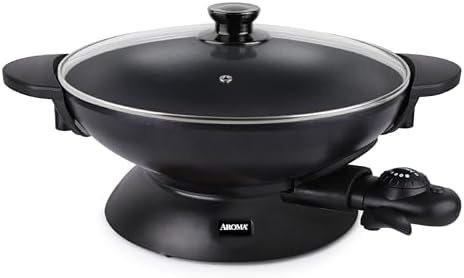
Electric woks are an innovative evolution in cookware. They differ from traditional woks that typically rely on gas stoves for heat. These appliances offer a modern twist on a classic cooking technique. They combine a cylindrical design with built-in electric heating elements. As a result, they provide uniform heat distribution. This is essential for stir-frying ingredients to perfection.
Several factors contribute to the growing popularity of electric woks. They are particularly appealing to urban dwellers and individuals in smaller kitchens. Limited kitchen space often challenges the accommodation of bulky cooking equipment. However, electric woks are generally compact and lightweight. This makes them an attractive alternative for those who prioritize convenience and portability. This mobility allows users to cook effectively in various environments. These include crowded apartments or small kitchens.
Another significant advantage of electric woks is their ease of use. Many models feature adjustable temperature settings. This enables users to fine-tune heat levels according to their cooking requirements. This feature simplifies meal preparation and enhances the appliance’s versatility. Electric woks also typically come with non-stick surfaces. These reduce the need for excessive oils and promote healthier cooking habits. Furthermore, they often include safety features like automatic shut-off switches. This adds an extra layer of security for users.
In today’s fast-paced world, quick meal preparation is increasingly essential. Electric woks excel in delivering that efficiency. They can heat up quickly and cook various dishes from stir-fries to soups. These appliances cater to the need for speed without sacrificing flavor or texture. Overall, the combination of convenience, portability, and ease of use makes electric woks a valuable addition to modern kitchens.
Advantages of Using Electric Woks
Electric woks have gained significant popularity in modern kitchens. This is due to their numerous advantages that cater to a variety of cooking needs and preferences. One primary benefit of using electric woks is their energy efficiency. Unlike traditional gas burners, electric woks use electricity to heat up quickly and effectively. This makes them an eco-friendly option. They conserve energy while delivering impressive culinary results. This efficiency not only helps reduce energy bills but also promotes a more sustainable approach to cooking.
Another key advantage of electric woks is their adjustable temperature settings. These woks often come equipped with precise controls. This allows users to customize the heat according to their cooking style. Whether frying, steaming, or sautéing, the flexibility provided by adjustable temperature settings enhances the cooking experience. This versatility makes electric woks suitable for a wide range of recipes. These range from stir-fries to slow-cooked dishes. They accommodate both novice cooks and seasoned chefs alike.
Cleanup is a critical consideration for many home cooks. Electric woks excel in this area. Typically designed with non-stick surfaces, electric woks facilitate easy cleanup. They require less scrubbing and reduce food residue. This feature is particularly advantageous for busy individuals and families. They may not have the time for extensive cleaning after meal preparation.
Electric woks also prioritize safety in the kitchen. For homes that lack gas stoves, these appliances present a safer alternative. They minimize the risk associated with open flames. Many electric woks include safety designs like automatic shut-off features. These further enhance their usability for all types of users. Overall, the combination of energy efficiency, versatile cooking capabilities, easy cleanup, and enhanced safety makes electric woks a valuable addition to any modern kitchen.
Disadvantages and Limitations of Electric Woks
Although electric woks offer numerous advantages for modern kitchens, they also have certain disadvantages and limitations. Potential buyers should consider these. One notable drawback is the heat retention capacity. Traditional woks, typically made from carbon steel, excel at retaining and distributing high heat. This is crucial for achieving the high temperatures required for authentic stir-fry dishes. Electric woks, on the other hand, may struggle to maintain such elevated temperatures consistently. This can affect the overall quality of the cooking process.
Another significant limitation is the reliance on electric outlets. Unlike traditional woks, which can be used on gas stoves, electric woks require a power source to operate. This dependence can pose challenges in kitchens with limited accessibility to electrical outlets or during power outages. Additionally, mobility can be an issue. Moving an electric wok might not be as straightforward as lifting a traditional one from the stovetop.
The cost of electric woks is another consideration for potential buyers. While budget-friendly options are available, higher-quality models can be quite expensive. Consumers may be required to invest more upfront for an electric wok that meets their cooking needs. This leads to questions about long-term value. Furthermore, the various models on the market may vary significantly in quality. This raises concerns about durability and reliability. Some lower-end models may not perform satisfactorily. This can lead users to feel disappointed with their purchase.
Ultimately, while electric woks can simplify the cooking process and offer convenience, they are not without their limitations. Understanding these disadvantages can help consumers make informed decisions when selecting the right cookware for their kitchen.
Choosing the Right Electric Wok and Usage Tips
When selecting an electric wok, several key factors should be considered. This ensures it meets your culinary needs effectively. Firstly, size plays a critical role. Electric woks typically range from 4 to 8 quarts. A larger capacity is beneficial for families or meal prepping. A smaller one may suffice for single servings or couples. Additionally, consider the shape—round or square models. This may influence cooking techniques and the types of dishes you can prepare.
The material of the electric wok is equally important. Traditional woks are made from carbon steel. This can provide superior heat conductivity and allows for high-temperature cooking. However, many electric woks are constructed from non-stick materials. This makes them easier to clean and prevents food from sticking. You should choose a model that balances durability with your cooking style. Look for one with a sturdy base. This will avoid wobbling during use.
When it comes to features, consider temperature control settings. The ability to precisely adjust heat can dramatically affect cooking outcomes. Some models come with a steaming rack. This expands their functionality. A transparent lid can also be an asset. It allows you to monitor cooking progress without releasing heat.
For effective usage, proper seasoning of your electric wok helps improve its non-stick properties. It also enhances flavors. Begin by lightly coating the surface with oil and heating it. Then, allow it to cool down and wipe the excess oil. Experiment with different cooking techniques. These include stir-frying, steaming, or braising. Each method can yield delicious dishes suited for your preferences.
Maintenance is vital for the longevity of your electric wok. Regular cleaning with warm soapy water is recommended. Avoid abrasive scrubs. These can damage the non-stick coating. Always ensure it is unplugged and completely cool before cleaning. By following these guidelines, you can enjoy high-quality meals. You will also prolong the lifespan of your electric wok.
The wok, an essential cooking vessel in many Asian cuisines, is celebrated for its versatility and effectiveness in stir-frying, steaming, and deep-frying. While carbon steel woks have earned a reputation for excellent heat retention and responsiveness, various materials can significantly enhance the cooking experience. Understanding the unique properties of these materials is vital for selecting the right wok. This choice should align with one’s personal cooking style and preferences.
Cast iron woks are known for their superior heat retention. This makes them ideal for achieving consistent, evenly cooked meals. They can maintain high temperatures for longer periods. This can be particularly beneficial for deep-frying and slow cooking. However, cast iron requires special care. It is prone to rusting if not properly seasoned and maintained. Those who appreciate traditional cooking aspects may find a cast iron wok appealing.
On the other hand, stainless steel woks offer durability. They also resist rust and staining. This makes them a practical option for everyday cooking. They do not react with acidic ingredients. Thus, they ensure the integrity of the dish’s flavor. Although they may not conduct heat as effectively as carbon steel, advancements in technology have enhanced their performance in heat distribution. These advancements include the incorporation of aluminum cores.
Aluminum woks are lightweight. They offer excellent thermal conductivity. This provides quick heating and cooling. They are particularly useful for high-heat techniques like stir-frying. Like stainless steel, they resist rust and are easy to clean. However, they can be prone to warping and scratching. Ultimately, each material presents its own unique advantages. So, selecting the right one depends on the individual cook’s techniques and culinary goals.
Cast Iron Woks: The Hearty Option
Cast iron woks are renowned for their remarkable heat retention and even cooking capabilities. This makes them a solid choice for various culinary tasks. Unlike traditional woks made of carbon steel, cast iron woks provide superior insulation. This allows them to maintain a consistent cooking temperature. This quality is particularly beneficial when preparing dishes that require gentle cooking. Examples include stir-fries and braises. This ensures that ingredients cook evenly without hot spots.
The robust construction of cast iron woks also makes them ideal for deep-frying. Their thick walls provide excellent heat retention. This is critical in maintaining oil temperature when frying foods like battered shrimp or crispy vegetables. The even distribution of heat ensures that items cook uniformly. They also achieve the desired texture without absorbing excess oil.
For slow-cooking operations, cast iron woks excel. They allow the gradual melding of flavors. This makes them perfect for stews or rich sauces. The material’s ability to hold onto heat means that dishes cooked within retain their warmth long after removal from the heat source. This makes cast iron woks not just functional but also practical for serving meals straight to the table.
To ensure longevity, proper care for a cast iron wok is essential. The seasoning process forms a protective layer. This helps maintain the wok’s non-stick properties. It also improves flavor and prevents rust. It usually involves applying a thin layer of vegetable oil. Then, heat the wok to create a polymerized surface. Additionally, cleaning must be done carefully. It is advisable to avoid soap or abrasive materials. These can strip the seasoning. Instead, lightly scrub with hot water and a stiff brush. Follow this with thorough drying to preserve its condition.
Overall, the hearty nature and versatile uses of cast iron woks make them a valuable addition to any kitchen. They offer distinct advantages for various cooking methods.
Stainless Steel Woks: Durability and Versatility
Stainless steel woks are a popular choice among both home cooks and professionals. This is due to their exceptional durability and versatility. Made from an iron alloy that includes chromium, stainless steel is renowned for its resistance to rust, staining, and corrosion. This means that stainless steel woks can withstand high-heat cooking and rigorous cleaning without compromising their structural integrity. This makes them a long-lasting addition to any kitchen.
One of the most significant advantages of stainless steel woks is their non-reactive nature. Unlike some materials that may react with acidic or alkaline foods, stainless steel remains neutral. This preserves the flavors and nutrients of the food being prepared. This property is especially beneficial for dishes that incorporate a variety of ingredients and flavors. It allows cooks to explore diverse culinary possibilities without the worry of altered taste profiles.
When it comes to cooking techniques, stainless steel woks excel in sautéing and stir-frying. These are two methods that require high heat and quick cooking times. The even heat distribution characteristic of stainless steel enhances cooking efficiency. It enables the preparation of meals that are perfectly cooked without uneven hot spots. Additionally, the size and shape of woks provide ample surface area for cooking. This allows multiple ingredients to be combined and cooked simultaneously.
For home cooks who prioritize low-involvement cleanup, stainless steel woks present an attractive option. They are typically dishwasher-safe. You can easily clean them with soap and water. Using non-abrasive sponges maintains the wok’s finish. This ensures that it remains visually appealing over time. The compatibility of stainless steel with various cooking surfaces further adds to its practicality. These surfaces include induction, gas, and electric stoves. This makes it suitable for a wide range of kitchen environments.
Aluminum Woks: Lightweight and Practical
Aluminum woks are increasingly popular among home cooks and professional chefs alike. This is due to their lightweight nature and exceptional heating characteristics. The lightweight design allows for easy maneuverability. This makes them particularly suitable for quick stir-frying and tossing ingredients without straining the wrist. This feature is especially beneficial for individuals cooking smaller meals or using electric stovetops. It facilitates a more comfortable cooking experience without compromising functionality.
One of the primary advantages of aluminum woks is their ability to heat up rapidly. Compared to traditional materials like cast iron or stainless steel, aluminum conducts heat more efficiently. This provides a reliable and even cooking surface. This quick heating property ensures that food can be cooked at high temperatures. This allows for the development of rich flavors and textures associated with traditional stir-frying techniques. Home cooks can achieve impressive results in a fraction of the time. This makes aluminum woks a practical choice for everyday cooking.
However, while aluminum woks deliver impressive performance, they do have certain drawbacks. One concern is their durability. Aluminum is softer than other metals. It is more prone to scratching and denting over time. Additionally, there is an ongoing debate about aluminum’s reactivity with specific foods. This particularly includes acidic ingredients like tomatoes and citrus. Prolonged exposure to such foods can lead to reactions. These may alter the taste or appearance of a dish. As a result, while aluminum woks provide versatile cooking options, it is essential to consider the intended use and cooking styles when selecting this type of cookware.
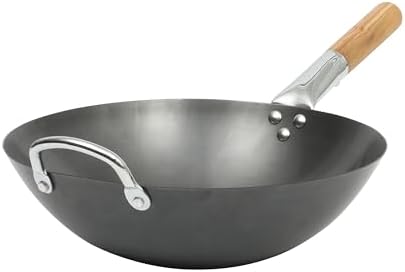
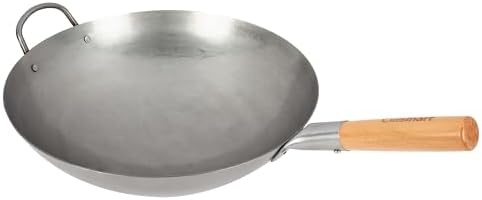
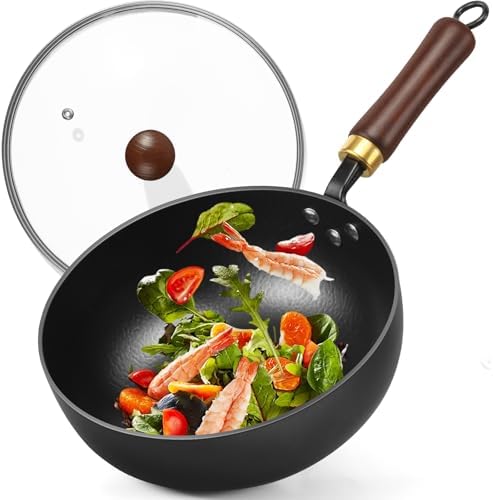
Carbon steel woks are typically favored by chefs. They have special qualities and versatility in various cooking methods. They have iron and a trace of carbon. They have great heat retention and distribution. This is an important feature in cooking. It allows the temperature to remain even. This guarantees food cooks efficiently and evenly. Carbon steel’s high heat conductivity makes it possible for chefs to heat them up to a high temperature. They are required for those old-fashioned stir-fries, searing, and browning. This makes them staples in most kitchens.
A characteristic of carbon steel woks is their ability to form a natural non-stick surface. This is achieved by proper seasoning. Differing from non-stick pans, however, carbon steel establishes its non-stick surface. It develops a patina over time. It also enhances the ability of the wok to cook. It also contributes to enhancing the flavors of the dishes. Stir-frying vegetables and meat with a well-seasoned carbon steel wok will add a unique depth of flavor. This significantly enhances the food experience.
Carbon steel woks are also quite versatile. Chefs can utilize them to carry out a variety of cooking techniques. Some of these include stir-frying, steaming, braising, and deep-frying. This makes them an excellent addition to the kitchen. They also weigh less than cast-iron woks. This is advantageous for handling ease while cooking. This versatility, with lifetime use if well maintained, makes understanding how to care for a carbon steel wok necessary. Understanding the nature of the carbon steel will eventually lead to improved cooking outcomes. It will also give the cookware a longer lifespan.
Proper Seasoning Techniques
Proper seasoning is essential. It maintains a carbon steel wok in good working and condition. Seasoning avoids rust formation on the surface. It also makes the wok non-stick more. This makes it essential to any cook seeking the best outcome. To start with, use a fresh carbon steel wok. The first thing to do is clean the wok thoroughly. This strips away oils or factory finishes. One good method is to wash it in hot water and a mild detergent. Scrub with a scrub pad. Wash the wok after cleaning. Dry the wok with a cloth or on the stove.
Next, oil the surface of the wok in a thin coat. Vegetable oil, flaxseed oil, and grapeseed oil are three common choices. These all have good high smoke points. Pour a small amount of oil into the wok. Use a paper towel to spread it evenly across the interior. Ensure every area is coated. After applying the oil, heat the wok on medium-high. Heat until the oil begins to smoke. This process polymerizes the oil. It forms a protective layer. This imparts a natural non-stick surface. Allow the wok to cool. Subsequently, use a dry cloth to wipe away any excess oil.
Once seasoned for the first time, periodic re-seasoning is essential. Do so particularly after frequent use or washing. Re-seasoning keeps rust from forming. If you see any dull patches or rust, re-do the cleaning and oiling. Periodic cooking of oily foods is recommended. This keeps the seasoned surface in good condition. A carbon steel wok well-seasoned can last decades. This easy but effective method is a must for any foodie.
Cleaning and Maintenance Best Practices
It is essential to maintain your carbon steel wok correctly. It prolongs its life as well as ensures that it functions best while cooking. Clean as per practices with caution. This ensures the maintenance of the natural non-stick surface that is formed due to seasoning. One simple rule is not to use soap or dishwashers. These kill the protective layer formed by seasoning. Clean using hot water and a gentle sponge or cloth instead. For stubborn food residue, a soft spatula or wooden spoon will be easily removed. This avoids damaging.
Drying the wok thoroughly after cleaning is imperative. The easiest way is to heat the wok on the stovetop by using low heat. Heat until all water is evaporated. This practice keeps the wok dry from head to toe. It also resurfaces the seasoning layer by keeping the oils intact. These safeguard it against rust. Since water is the key factor in rusting, proper storage is unavoidable. Dry store the wok. In case stacking is unavoidable, a paper towel or cloth will have to be sandwiched between woks. This prevents scratching and moisture holdup.
Aside from these cleaning guidelines, upkeep will also maintain your carbon steel wok in perfect condition. Following cleaning, a small layer of cooking oil stops drying out of the seasoning. It also prevents rust. Additionally, reseason the wok every now and then. This rejuvenates the protective coating. Do this especially when food sticks or the seasoning appears worn out. Your carbon steel wok can provide excellent cooking performance for decades with these tips.
Methods of Cooking to Maintain Your Wok
Proper cooking procedures are also essential. This prolongs the lifespan of your carbon steel wok. One of these is using the correct cooking utensils. Silicone or wooden utensils are ideal. These will not easily scratch the wok surface. Metal utensils provide premature wear and tear. By utilizing these gentler utensils, you preserve the integrity of the seasoning on the wok. This is particularly significant for its non-stick quality and overall performance.
Also, notice temperature. The material conducts and holds heat quite well. Too high a temperature will damage the wok and your food. A moderate fire will do. This helps to maintain the wok and enhance the flavor. It provides a more even cooking temperature.
Another approach to consider is avoiding highly acidic foods. Tomatoes and citrus foods are a couple of examples. Acid can destroy the seasoning layer. Rust and unfavorable impacts on flavor result from this. Instead, focus on a great variety of vegetables, proteins, and starches. These complement the seasoning and create a more satisfying overall cooking experience.
And besides, watch out for high-heat cooking methods. Stir-frying does produce the characteristic flavor that wok cooking has. Nevertheless, keep the heat under close control. That way, you maintain the cooking surface properly shielded. Using these strategies together, you effectively minimize damage to your wok. It will remain in top shape for years of cooking adventures.
Home cooks are becoming increasingly aware of the hidden downsides of traditional prep surfaces. Plastic boards inevitably shed microplastics into our meals, while wooden...