Home Blog Page 82

How to Protect Your Coffee Scale from Heat and Moisture

Your coffee scale is one of the most essential tools in your brewing routine but it’s also one of the most vulnerable. Heat from freshly brewed espresso and moisture from spills or steam can damage sensitive components over time. If you want your scale to remain accurate and reliable, proper care and protection are key.

Why Heat and Moisture Are a Problem

Most digital coffee scales house delicate sensors and electronic circuits just beneath their surface. Exposure to:

  • Heat can warp plastic components, affect sensors, or cause inaccurate readings.
  • Moisture can corrode internal parts, damage displays, or lead to electronic failure.

Even high-end models aren’t immune if exposed repeatedly without precautions.

5 Tips to Protect Your Coffee Scale

1. Use a Heat-Resistant Surface Pad
Place a silicone mat or cork pad on top of the weighing platform. This provides insulation against heat from espresso cups or kettles.

2. Wipe Spills Immediately
Even waterproof scales can be damaged if water seeps into buttons or cracks. Keep a dry microfiber cloth handy and clean up spills right away.

3. Avoid Direct Steam Exposure
Don’t place your scale directly beneath the espresso machine’s group head or steam wand. Steam can enter through seams and ruin internal circuits.

4. Choose a Scale with a Water-Resistant Rating
Some premium scales are designed with water-resistant seals and rated as IPX2, IPX4, or higher. These offer better long-term resilience in wet environments.

5. Store in a Dry, Cool Place
After brewing, remove the scale from the counter and store it in a dry drawer or cabinet away from heat sources and humidity.

Accessories That Help

  • Silicone weighing pads: Provide grip and protection against scratches and heat.
  • Protective covers: Help shield your display and buttons from moisture and dust.
  • Portafilter trays or drip mats: Reduce direct contact between hot equipment and the scale.

Final Thoughts

A good coffee scale is an investment and like any tool, it lasts longer when properly maintained. By taking simple precautions against heat and moisture, you’ll protect your scale’s precision, prevent costly replacements, and ensure consistently great coffee.

Brew smarter, not just better.

Related article: Why a Coffee Scale Is Essential for Consistent Brews

Choosing the Right Material for Your Coffee Scale Surface

When shopping for a coffee scale, most people focus on precision and features like timers and Bluetooth connectivity. But one often-overlooked aspect can affect both usability and longevity: the surface material. Whether you’re brewing espresso or pour-over, the material your scale is made from can directly impact its durability, stability, and ease of cleaning.

Common Coffee Scale Surface Materials

Let’s explore the most common materials and how each performs:

1. Stainless Steel

  • Durability: Highly resistant to wear, corrosion, and heat.
  • Cleaning: Easy to wipe clean, doesn’t absorb moisture.
  • Drawback: Can be slippery, especially with wet carafes or cups.

Best for: Frequent brewers who want a long-lasting, low-maintenance option.

2. Plastic (ABS or Polycarbonate)

  • Durability: Reasonably strong but more prone to scratches.
  • Cleaning: Simple, but may stain over time with frequent use.
  • Drawback: Can feel less premium; some plastics degrade with heat exposure.

Best for: Casual brewers or budget-conscious users.

3. Silicone-Coated

  • Durability: Depends on the base material (usually plastic or steel).
  • Cleaning: Non-stick and water-resistant; ideal for wet environments.
  • Drawback: Can wear out or peel over time.

Best for: Pour-over setups or baristas who value grip and spill protection.

4. Glass

  • Durability: Scratch-resistant and heat-tolerant, but fragile.
  • Cleaning: Very easy to clean, doesn’t stain.
  • Drawback: Can break with sudden impact.

Best for: Aesthetic setups and careful users who prioritize cleanliness.

How Surface Material Impacts Brewing

  • Stability: A silicone or textured surface provides grip to avoid tipping cups or carafes.
  • Consistency: A heat-resistant surface ensures the scale performs reliably even with hot brews.
  • Maintenance: Smooth, sealed surfaces resist water damage and stains ideal for coffee spills.

Other Considerations

  • Non-slip feet: Help maintain balance regardless of surface.
  • Drip tray compatibility: Especially important for espresso scales.
  • Tactile response: Some materials mute button presses or affect responsiveness.

Electric Woks: A Convenient Option for Modern Kitchens

Understanding your material options

The surface material of your coffee scale isn’t just about aesthetics it can affect how stable your brew setup is, how easy the scale is to clean, and how long it lasts. Whether you prioritize performance, maintenance, or durability, understanding your material options helps ensure your scale serves you brew after brew.

If you’re investing in precision gear, don’t overlook the foundation it’s built on.

The Role of Coffee Scale Timers in Precision Brewing

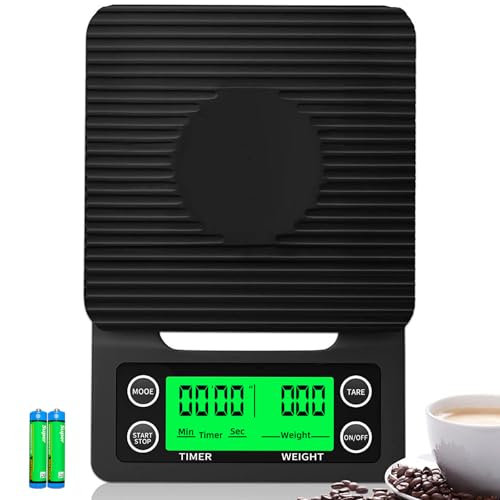
Timing is everything when it comes to brewing great coffee. Whether you’re pulling a shot of espresso or executing a pour-over, time and weight work together to determine the final taste in your cup. While you could use a separate stopwatch or phone app, coffee scales with built-in timers offer unmatched precision and convenience. Here’s why this feature is a game-changer for home baristas.

Why Timing Matters

In most brewing methods, the duration of water contact with coffee grounds directly affects extraction:

  • Under-extraction (too fast): Sour, weak flavors.
  • Over-extraction (too slow): Bitter, harsh flavors.

Proper timing ensures a balanced, flavorful cup.

What a Coffee Scale Timer Does

A coffee scale timer integrates timing into the weighing process:

  • Syncs with your pour: Start the timer as you begin pouring, and track time and weight together.
  • Streamlines workflow: No switching between devices or apps just one tool for two critical variables.
  • Improves consistency: Repeatable brew times lead to predictable flavor profiles.

Brewing Methods That Benefit Most

While timers are helpful in any method, they’re especially important for:

  • Espresso: Precision down to the second is essential for shot quality.
  • Pour-over (e.g., Hario V60, Chemex): Helps manage bloom time and total brew duration.
  • AeroPress: Guides steeping and pressing phases.

read more: How to Choose the Right Coffee Scale: Precision Matters

Advantages Over Separate Timers

  • Efficiency: Less clutter on your counter.
  • Ease of Use: Just press start and go.
  • Real-Time Feedback: Some smart scales even pause the timer if the pour stops.

What to Look For in a Coffee Scale Timer

  • Responsive buttons or touch interface
  • Clear display readable in different lighting
  • Auto start/stop functionality (in premium models)
  • Memory or recall of past timings (optional but useful)

Popular Scales with Timers

Some popular coffee scales that include timers:

  • Acaia Pearl / Lunar
  • TIMEMORE Black Mirror
  • Hario V60 Drip Scale
  • Felicita Incline

These models balance precision, design, and usability.


Final Thoughts

A built-in timer on your coffee scale isn’t just a nice-to-have—it’s a powerful tool for mastering the brewing process. By tracking time and weight together, you can fine-tune your technique, avoid mistakes, and elevate your home coffee game.

If you’re serious about your brews, this single feature could make all the difference between average and exceptional coffee.

Comparing Analog vs Digital Coffee Scales: Which Is Right for You?

When it comes to brewing coffee with precision, scales are non-negotiable. But should you go analog or digital? While digital coffee scales dominate most modern brewing setups, analog options still have their charm. Here’s a comprehensive comparison to help you decide which one fits your brewing style and priorities best.

Accuracy and Precision

  • Digital Scales: Known for their pinpoint accuracy, usually down to 0.1 grams or even finer. This level of precision is ideal for espresso or pour-over methods.
  • Analog Scales: Typically offer less precision, often in whole grams. This can be sufficient for French press or drip coffee, where ultra-fine accuracy is less critical.

Verdict: Digital wins if precision is a top priority.


Speed and Responsiveness

  • Digital Scales: Tend to respond quickly to weight changes, which is crucial for timing and pouring accuracy during brewing.
  • Analog Scales: May lag slightly and are less suitable for dynamic brewing techniques.

Verdict: Digital is better for fast-paced brewing.

read more: Smart Coffee Scales: Are They Worth It for Home Baristas?


Durability

  • Digital Scales: More fragile, especially if exposed to water, steam, or drops.
  • Analog Scales: Mechanically simple, often more rugged and resistant to harsh kitchen conditions.

Verdict: Analog is better for rough environments or travel.


Usability and Features

  • Digital Scales: Often come with built-in timers, tare functions, auto-off settings, and backlit displays.
  • Analog Scales: Very straightforward, no batteries or electronics—just weigh and go.

Verdict: Digital is more feature-rich, analog is more straightforward.


Aesthetic and Style

  • Digital Scales: Sleek, modern, and minimalistic.
  • Analog Scales: Vintage, nostalgic, and sometimes more visually appealing for rustic or retro kitchens.

Verdict: Purely subjective—depends on your kitchen vibe.


Price Considerations

  • Digital Scales: Wide range of options, from budget to premium models.
  • Analog Scales: Typically cheaper but with fewer features.

Verdict: Analog might be more cost-effective, but digital offers better value for tech-savvy users.


So, Which Should You Choose?

  • Choose Digital if:
    You value precision, speed, and modern features. Great for espresso enthusiasts and those who love tech-driven brewing.
  • Choose Analog if:
    You prefer simplicity, durability, or have a limited budget. Ideal for beginners or casual brewers.

It’s about what makes your brewing

Whether you choose analog or digital, having a reliable scale is key to brewing consistent coffee. Digital might give you the edge in control and accuracy, but analog offers rugged simplicity. At the end of the day, it’s not just about grams it’s about what makes your brewing routine feel right.

How to Clean and Maintain Your Coffee Scale for Longevity

A coffee scale is an essential tool for any serious home barista. But like all precision instruments, it needs proper care to continue delivering accurate results. Neglecting maintenance can lead to inaccurate measurements, damage, or even a dead scale. Here’s how to keep your coffee scale in top condition and extend its lifespan.

Why Scale Maintenance Matters

Whether you’re brewing espresso or pour-over, accurate measurements are non-negotiable. Coffee scales, especially digital ones, are sensitive to moisture, dust, and coffee grounds. Regular maintenance ensures:

  • Accurate weight readings
  • Consistent brewing results
  • Prolonged equipment life
  • Better hygiene in your coffee corner

Daily Cleaning Tips

  1. Wipe After Every Use
    Use a soft, dry microfiber cloth to wipe away coffee grounds and spills immediately after use.
  2. Avoid Water Exposure
    Most coffee scales are not waterproof. Never rinse them under running water. Instead, use a lightly dampened cloth for any stubborn spots.
  3. Clean the Drip Tray (if any)
    If your scale has a removable tray, clean it separately and make sure it’s completely dry before reattaching.

Weekly Maintenance Checklist

  • Use compressed air to blow out debris from cracks and edges.
  • Disinfect with alcohol wipes to sanitize surfaces without soaking them.
  • Inspect the battery compartment for corrosion or moisture.

Read more: How Altitude Affects Coffee Flavor

What to Avoid

  • Submerging in water
  • Using abrasive cleaners or brushes
  • Storing in humid or very hot environments
  • Weighing items beyond the scale’s maximum capacity

Storage Best Practices

  • Keep your scale in a dry, dust-free drawer or cabinet when not in use.
  • Store it flat and avoid stacking heavy items on top of it.
  • If you brew daily, consider a dedicated shelf with minimal traffic.

When to Calibrate or Replace

Even with perfect care, your scale may eventually lose precision. If you notice irregular readings:

  • Try calibrating the scale using a known weight.
  • If calibration fails, it might be time for a new one especially if it’s affecting your coffee quality.

With just a few minutes of daily and weekly care

A well-maintained coffee scale can serve you for years. With just a few minutes of daily and weekly care, you ensure accurate brews and extend the life of your equipment. Think of it as preserving the integrity of every cup you brew because even the best beans can’t shine with a faulty scale.

Smart Coffee Scales: Are They Worth It for Home Baristas?

For many home baristas, a digital coffee scale is a staple in their brewing setup. But in recent years, smart coffee scales those with Bluetooth connectivity, app integrations, and advanced tracking features have been gaining popularity. The question is, are they really worth the investment for someone brewing at home?

Let’s dive into what makes smart coffee scales different and whether they truly enhance your daily coffee ritual.

What Are Smart Coffee Scales?

Smart coffee scales are digital scales that offer more than just weight measurement. These devices often include features like:

  • Bluetooth connectivity
  • Integration with smartphone apps
  • Real-time brew time tracking
  • Brew history logs
  • Pour rate visualizations

Some even connect to espresso machines or smart kettles, creating a more seamless and data-driven brewing experience.

Benefits of Using a Smart Scale

1. Precision and Consistency

Smart scales allow you to track both weight and time with extreme accuracy, ensuring consistency across every brew—especially helpful if you like to dial in specific recipes.

2. Brew Logging and Analytics

Many smart scales log your brews so you can revisit what worked best. This is ideal for experimenting with grind size, water temperature, or coffee-to-water ratios.

3. Pour Rate Monitoring

If you’re brewing pour-over coffee, maintaining a consistent pour rate is essential. Some smart scales offer real-time pour rate graphs, helping you refine your technique.

4. Training Tool for Beginners

For new home baristas, smart scales act as silent coaches—guiding you with timer prompts and recipe flows from connected apps.

Downsides to Consider

  • Cost: Smart coffee scales are more expensive than regular digital scales.
  • Learning Curve: The apps and features can be overwhelming at first.
  • Battery Dependency: Many rely on rechargeable batteries and may not last as long as simpler models.

Who Should Buy One?

Smart coffee scales are a great fit for:

  • Tech-savvy home baristas looking for more control.
  • Those who brew pour-over or espresso daily.
  • Coffee nerds who enjoy experimenting and logging their progress.

If you brew occasionally or prefer simplicity, a standard digital scale might serve you just as well.

Final Thoughts

Smart coffee scales offer real advantages especially for those seeking to fine-tune their brewing process with precision and data. While not essential for everyone, they can elevate the experience for home baristas who are serious about their craft.

If you’re already weighing your beans and timing your brews manually, a smart scale might be the upgrade you didn’t know you needed.

Related article: The Role of Coffee Scale Timers in Precision Brewing

Classic Meals

- Advertisement -