Home Blog Page 54

How to Clean Wooden Spoons Without Damaging Them

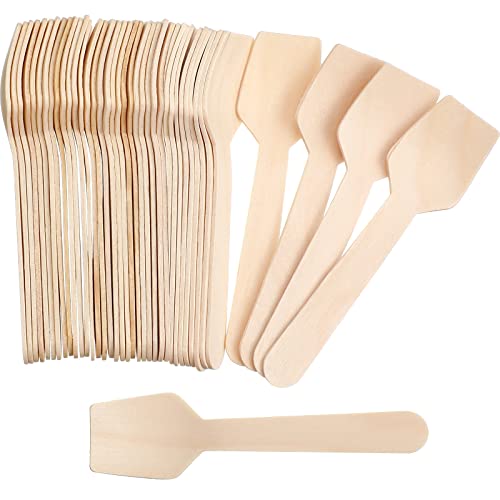
t is well to see things and events as they are. I will be doing a realistic analysis here in this article. Facts in the article 🙂 Everybody knows how cozy wooden spoons are. Wooden spoons do have their own charm, history and are more pleasant to hold in our hands than hard, cold metal. So are you curious to know how to sanitize wooden spoons without ruining them? Yes, we have to acknowledge that it is a bit puzzling.

My Negative Experience: weeping canoe

I used to have the bad habit of placing wooden spoons in the dishwasher. I must strongly advise you against making this mistake that I once made. My one wooden spoon broke as a result of this mistake that I once made. And what did happen to the second one? The second one was warped like a weeping canoe. I learned from the negative experience that I had.

Because of my experiences, I want to share with you my experiences that actually worked. It would be useful to mention some important details. And I assure that it is easier than you think.

Start With Washing: dried-on grime

Start by washing your wooden spoon right after you’ve used it. Yeah, I know, easier said than done when a toddler is attached to your leg or water is boiling over but trust me, dried-on grime is the devil. Warm water and a mild dish soap. Not one of those high-test degreasers with the aroma of engine cleaner, okay? A mild, plant-based dish soap is ideal.

The Trick Don’t Soak: citrus magic

And here is the trick: don’t soak it. Ever. Even if there is something stuck. Just lightly scrub with a soft brush or sponge. If it’s particularly stubborn, shake a bit of baking soda onto the spoon, rub with half of a lemon, and let citrus magic do its job. That’s it. Natural and smells kind of amazing.

Maintenance Tips: old paint

Oh, and every so often? Rub in some food-safe mineral oil or coconut oil. A few drops on a rag, and buff it in like polishing up a well-worn pair of boots. This prevents the wood from drying out and cracking like old paint.

Some folks ask, “But what about bacteria?” Fair question. The cool thing about wood is it’s actually naturally antimicrobial. As long as you’re not soaking it or letting food sit on it overnight (don’t do that either), you’re good.

Final Thoughts: love gentle

So next time someone asks how to clean wooden spoons, tell them it’s all about the love gentle soap, natural scrub, and a little oil. Your spoons will thank you. Probably not out loud but hey, who knows?

See Flatware Sets on Amazon

DIY Natural Dishwashing Liquid Recipes That Actually Work

Okay, this is going to be a genuine conversation have you ever grabbed your dish soap and gone, “What in the world is that?” I did. I was refilling my detergent dispenser one night and paused to read the fine print. (I don’t know why I did this, I guess I just had a little spare time.) I did some reading and had a revelation, and suddenly making my own homemade dish soap wasn’t such a good thought.

I thought to myself, “It can’t be that hard to make your own homemade detergent.” A few natural ingredients, some trial and error, and maybe I could create something that would not only work but not dry my hands out or make my kitchen smell like a chemical factory. I thought, “I just have to try this.” I then thought to myself, “Come on, get up and get moving.”

Related article: Zero-Waste Dish Soaps: Are Solid Dish Bars Better Than Liquid?

The First One I Tested: magic at

I figured I would test it out first using easy ingredients:

  • 1 cup liquid castile soap
  • 1 tablespoon washing soda
  • 1 tablespoon white vinegar
  • 10 drops essential oil (I used lemon. Any flavors and scents you prefer can be used)

I mixed all that together in an old pump glass bottle. I shook it up and. surprise, it worked. It was like magic at first. It wasn’t magic, though. It cut through the grease pretty well, surprisingly. Especially in things like cereal bowls and smoothie cups.

Now, if you are dealing with cooked lasagna or greasy pans, you might need to scrub a little more or put some baking soda on top but there was still no odd residue and it washed out clean.

Let’s Get Fancy (or Fancier): spa-like

Feeling a bit adventurous? You can enhance the recipe:

  • 1 cup warm water
  • 1 tablespoon grated natural soap (or melt small pieces)
  • 1 teaspoon glycerin
  • A few drops of tea tree or eucalyptus oil (for their antibacterial vibrations)

This one felt fancy, for real. Creamy texture, and the scent? Spa-like. I was sniffing my hands afterward like a weirdo.

What to Expect And Not Expect: lack of

Here’s the thing: don’t expect your homemade dishwashing liquid to be as foamy as commercial ones. That’s just not how natural things work. But don’t let the lack of bubbles fool you. It does clean. You just have to retrain your brain a bit.

And besides, it’s not shelf-stable forever. You have to use it within a few weeks or put it in the fridge if you do a big batch. Learned that one the horrible way don’t want to go there.

Sharing the Result of My Experiments: little more

Honestly, I didn’t think I’d stick with it. But I have. It’s easy, can be customized, and gives me a little more control over what touches my skin and dishes. And something about washing the dishes with something you’ve made yourself is satisfying. If you’re even a little curious, just try it. Worst case? You’ll lose some vinegar and time. Best case? You’ll have a new kitchen tradition that’s cheaper, cleaner, and kind of fun.

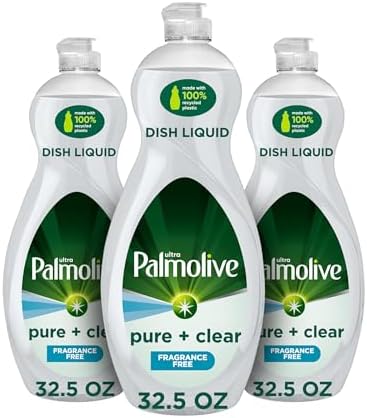
Best Fragrance-Free Dishwashing Liquids for Sensitive Skin

Ever make it to the end of washing dishes and your hands feel like you’ve scrubbed them with sandpaper? Yeah, me too. I figured the dry, scratchy feeling was just what you get from doing dishes. But then I thought maybe it wasn’t me. Maybe it was the dish soap.

I started looking into non-toxic alternative dish soap, but specifically fragrance-free dish soap. I had no clue just how many of the “fresh-scented” ones contained a lot of nasty chemicals that my skin clearly hated. So, I went on a mission of a sort.

Why Fragrance-Free Matters: sensitive noses

Let’s be real “clean” doesn’t always have to stink like artificial lemons. Fragrances, even “natural” ones, are a stealthy trigger for people with sensitive skin (or even just sensitive noses). That junk sticks around. To your plates, to your hands. even airborne. I wanted something that would just clean and take a hike.

What I Looked For: toxin-free

I didn’t just want a soap that skirted perfume. I needed one that was also toxin-free no sulfates, no coloring, no preservatives I couldn’t say out loud. A dish soap that could see me through greasy pans without my hands turning red and raw.

So I tried a lot. Some were ineffective and watery. Others? Complete game-changers.

A Few That Worked Wonders: hands didn’t

  • Brand A – Was incredibly rich and foamy for a fragrance-free dish soap. Not a scent anywhere, and it cleaned greasy skillets like a pro. Bonus: my hands didn’t exfoliate themselves afterward.
  • Brand B – Very mild. Almost felt like washing with lotion, weirdly. Had to work at it with a little more elbow grease on tougher food, but still a winner.
  • Brand C – My new favorite. No fragrance, no skin drama, and in a refillable bottle which is thoughtful of the planet.

A Little Goes a Long Way: overcompensating for

And here’s something I didn’t anticipate: I began using less. I think because I was not overcompensating for no scent or attempting to scrub off the odd residue other soaps left behind.

In all honesty, becoming fragrance-free dish soap wasn’t about comfort only it made doing the dishes not a chore. If your skin’s been hinting (or yelling) that you try something milder, trust me: it’s worth breaking the mold. Your hands will thank you.

read more: How to Safely Clean a Knife Handle: Wood, Synthetic and Composite Materials

Tips on How to Store and Extend the Shelf Life of Natural Dish Soaps

If you’ve made the switch to natural dish soaps, you’ve probably noticed a few things right off the bat: they smell much nicer, your hands don’t feel like dried leaves, and there’s a strange sense of satisfaction and happiness that comes from knowing you’re not pouring synthetic chemicals down the drain. But yes, there’s always a but they behave a little differently than the regular ones. Especially when it comes to shelf life.

First Things First Yes, They Do Spoil: eco shop

I had no idea this the first time I bought one at an eco shop a few streets down. I just left it next to the sink for months. I came to use it one day, and it smelled odd. Sour and kinda earthy, strangely enough. It turns out natural dish soaps can spoil or get broken down if not stored properly.

Why? Most of them skip the heavy-duty preservatives, great for your skin but it also makes them a bit more sensitive.

Related article: Eco-Friendly Dish Soaps That Are Tough on Grease, Gentle on Hands

So, Where Should You Store Them?: not a

Say goodbye to the hot, steamy cupboard next to your dishwasher. Heat and humidity? Not a natural soap’s best friends. Instead:

  • Keep it cool: A room-temp cabinet or shelf is ideal.
  • Steer clear of direct sunlight: UV rays will destabilize ingredients, especially essential oils.
  • Seal it up tight: Always snap the cap closed air exposure will destroy the formula in the long term.

And, no, you don’t need to refrigerate it (unless the label says otherwise). That’d be strange.

Signs It’s Time to Toss: your nose

Natural soaps don’t include “best by” dates stamped in bold. So you’re on your own. Some red flags:

  • Wonky smell – like something’s fermented
  • Not-dissolving-with-a-shake separation
  • Clumpy texture – not cute, and not effective

It’s actually kind of like the test to determine if milk has gone bad. Use your nose.

Pro Tips on How to Make It Last Longer: small bottles

These are some things that I do:

  • I prefer to use the small bottles. That way, I won’t have one sitting around for an extremely long time just to put all the pieces together.
  • I shake it up a little bit from time to time just to put all the pieces together.
  • And I don’t buy in bulk if I don’t know I’m gonna use it fast. Buying how much I need always makes me buy new stuff.

Oh, and if you’re doing your own dish soap (bless your hearts, DIY warriors), I recommend putting it in a dark bottle and using it in a month or two. Remember homemade stuff spoils even faster.

Wishing a Healthy, Clean World: healthy, clean

Natural dish soaps are a smart option, it’s worth mentioning. It’s for our health, the planet, and even our plates. Treat them like the fresh fruits of the cleaning world: refrigerate them, keep them in the dark, and use them before they go bad. Wishing a healthy, clean world to all.

DIY Eco-Friendly Dishwasher Detergent Recipes That Actually Work

Ever opened the dishwasher after a run and asked yourself, “Did I just breathe in a science experiment?” Same. Between the name brand chemicals and the plastic filled packaging, normal dishwasher detergent can be. too much. That’s why I decided to give homemade a try. And believe me once you start experimenting and making your own green-friendly detergent at home, there’s no going back.

Not only is it ludicrously easy, it’s cheaper and (even better!) good for the planet.

Why Even Make Your Own?: ingredient lists

Sure, they’re convenient at the store. But take a deeper look really get really close in the ingredient lists and you know there’s gotta be a cost beyond your wallet.

  • You save money. For real, pennies per load.
  • It’s gentler on sensitive skin. You get to pick exactly what goes in.
  • No synthetic junk. No artificial scents or harsh chemicals here.
  • Less waste. Bye-bye single use plastic tubs and pods.

related article: Best Eco-Friendly Dishwasher Detergents for Families with Babies

And maybe best of all: it just feels good to do something hands-on for your home.

Pantry Staples You’ll Need: baking soda’s

No wild ingredients here these are all pretty easy to find and probably already hanging around your kitchen shelves.

  • Washing soda – It’s a grease fighting champion. Think of it as baking soda’s more intense cousin.
  • Baking soda – It adds a little extra punch and odors get a chance to be eliminated.
  • Citric acid – It works super well in hard water. It also adds that squeaky-clean glitter.
  • Salt – A gentle abrasive. It cleans without scratching.
  • Essential oils (optional) – I usually choose lemon or tea tree. It’s not necessary, but the aroma is a nice touch.

Recipe #1: The Everyday Powder Mix: job done

This is my go to. It’s simple, takes five minutes, and gets the job done.

What you’ll need:

  • 1 cup washing soda
  • 1 cup baking soda
  • ½ cup citric acid
  • ½ cup salt

How to make it:

  • Mix it all up in a jar or airtight container.
  • For each load, use about a tablespoon. That’s really it.

If you don’t mind, sprinkle 10–15 drops of lemon or tea tree essential oil it leaves the kitchen smelling like you just cleaned, even though you didn’t.

Recipe #2: Homemade Detergent Tabs: small tabs

Some days I don’t feel like scooping anything I just want to drop and run. That’s where these small tabs are helpful.

You’ll need:

  • Same stuff as the powder recipe
  • A couple teaspoons of water

Here’s the routine:

  • Combine the whole lot of dry ingredients in a bowl.
  • Slowly add water. Enough just to hold together bearings for “not soggy” are damp sand.
  • Fill into silicone molds or an ice cube tray.
  • Let them sit out to dry for 24 hours (overnight works).
  • Store in a sealed tin or jar. Load one in every load. Finished.

Note: Don’t use too much water or they blow up like little science experiments gone wrong.

Recipe #3: Liquid Gel Type: shaking a

If your dishwasher prefers liquid detergent or if you enjoy shaking a tiny bottle then this form might be yours.

What you will need:

  • 1 cup of boiling water
  • 1 tbsp baking soda
  • 1 tbsp washing soda
  • ½ tbsp citric acid
  • 1 tbsp castile soap (unscented or very light fragrance is perfectly okay)

How to do it:

  • Boil the water first. Since it’s warm, whip in all the powders as they dissolve.
  • Let it slightly cool, and introduce the castile soap.
  • Pour into a glass jar or repurposed bottle.
  • Shake well before use. Start with 1–2 tablespoons per load and adjust as needed.

A Few Tips from the Sink: white vinegar

  • Shake, shake, shake. Especially with the liquid one ingredients fall at the bottom after a while.
  • White film on dishes? Cut back on the amount a notch or two or throw in some white vinegar as a natural rinse aid.
  • Label it plainly. Trust me, baking soda gel resembles a smoothie big time. Store it far from your breakfast nook.

Closing Thoughts: cleaning joy

I didn’t start crafting my own dishwasher detergent in order to foment revolution I just wanted to have fewer chemicals in my kitchen. But the secondary benefits? A little more cleaning joy, a little less trash, and the occasional smug experience when the dishes shine and I know I created that.

It’s one of those tiny lifestyle shifts that adds up over time. So, if you’ve been curious, give one of these a try. Start small. See how it feels. Your dishes (and probably your wallet) will thank you.

Best Eco Dishwasher Detergents for Hard Water

If you’ve ever pulled what was supposed to be a clean glass out of the dishwasher only to have it foggy or covered in mysterious white spots yep, you probably have hard water. I’ve done this, standing in front of my dishes wondering why they’re dirtier after they’re washed. The perpetrator? Calcium and magnesium minerals. They’re totally benign for your body, of course, but a complete pain in the kitchen.

These minerals not only wreak havoc on your plates. They accumulate in your dishwasher over time, disrupt detergent performance, and deposit that dull, gritty appearance no one requested.

So, what should a green conscious dishwashing warrior do?

What Makes a “Good” Detergent for Hard Water?: citric acid

Let’s be real just because something says “eco” on the box doesn’t mean it actually works, right? I’ve tested more than a few that smelled lovely and did. nothing. If you’re looking to fight hard water without compromising your values (or your clean dishes), here are a few things that matter:

  • Citric Acid or Enzymes – These are your new best friends. They help dissolve mineral residue and cut through grime.
  • Low Foam Formulas – The less foam, the easier it rinses. Foam = clean.
  • Biodegradable Ingredients – Because what’s the point of saving your dishes if you’re trashing the planet?

My Picks: Detergents That Actually Work: citric extracts

Let’s dive into some options that don’t just sound green they deliver.

  1. Ecover Automatic Dishwasher Tablets – Citrus: If you want something that dissolves mineral buildup and has a clean smell, these are an excellent choice. They have natural ingredients, are easy to clean, and the citric acid does what it claims to do in hard water. Bonus: the packaging is minimal and recyclable.
  2. Lemi Shine Dishwasher Pods: These surprised us as well. With natural citric extracts and no phosphates or bleach, they can fight hard water but also not let it turn green. They even got a stamp of approval from the Safer Choice program, which provides reassurance.
  3. Dropps Dishwasher Detergent – Lemon Scent: I love that these come in a cardboard box no plastic jug shame on us. These are easy to wipe water spots off of, and that they’re cruelty free? Bonus points.
  4. Finish Powerball Quantum (Eco Friendly Line): Right, let me go on about it Finish is not the brand that first comes to mind with the eco options, but their eco variant performs incredibly in hard water. Not necessarily 100% natural, I admit, but it is effective and packaged more responsibly these days.
  5. Blueland Dishwasher Tablets: These folks are taking sustainability seriously. No plastic, no water, no faff. Steel cans you can recharge and solid hard water effectiveness? Honestly, impressive.

Natural Hacks for Better Output: white vinegar

Occasionally, a bit of help makes all the difference. Some easy tricks that I swear by:

  • White vinegar rinse aid – A pinch is sufficient to reduce spots.
  • Preheat hot water before dishwasher
  • Monthly dish washer cleanings – Spray arms and filters get clogged rapidly with hard water. Clean machine âźą clean dishes.

One Last Thing: green enthusiasm

See, doing battle with hard water doesn’t have to come at the expense of your green enthusiasm or clean plates. Once you’ve found your magic potion (and maybe changed a couple habits), you’ll no longer dread the glass curse of cloudiness and won’t even think the real glaze exists.

Who knew going green would really get clean?

read more: Top 10 Eco-Friendly Dishwasher Detergents in 2025 (That Actually Work)

Classic Meals

- Advertisement -