Home Blog Page 47

Common Mistakes to Avoid When Using a Carbon Steel Wok: A Beginner’s Guide (edited)

Grasping Carbon Steel Woks

Carbon steel woks are some of the best-loved by chefs and home cooks. They do this because they conduct heat well and are versatile, they consist of carbon and iron and are lighter than cast iron woks. They are therefore easy to manage while cooking, possess one significant advantage in the sense that they heat up quickly, also preserve high temperatures. This is essential for searing, stir-frying, and browning food rapidly.
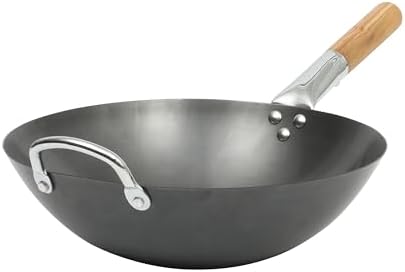
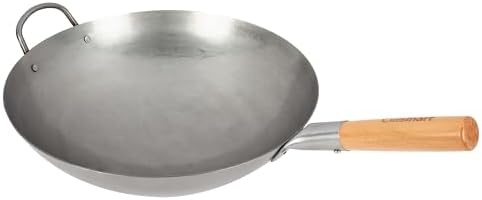
The other unique characteristic is their adaptive cooking surface. Non-stick pans are unique in that carbon steel woks need seasoning. Seasoning creates a natural non-stick coating with time. This enhances cooking by preventing sticking. It also imparts flavor to the wok. Seasoning the wok involves a thin layer of oil and heating it. This allows the oil to polymerize and create a protective coating. This distinguishes carbon steel woks and is necessary for best performance.

Care and maintenance are essential to ensure the long life of a carbon steel wok. Gently clean the wok after every use with a sponge and hot water. Do not use abrasive pads, which can strip the seasoned surface. Dry the wok thoroughly after washing to avoid rust. Apply oil regularly, particularly after washing. This maintains the seasoning and keeps the wok in its best shape. By knowing these things, beginners will be able to get the best out of their wok. They can utilize it for years.

Bypassing the Seasoning Process

A common beginner mistake is failing to season a carbon steel wok sufficiently. Seasoning is the basis of a non-stick. It also saves the wok from rust and damage. The process involves applying oil and heating it. This creates a polymerized coat. It induces better flavor and better cooking.

Seasoning starts with scrubbing the wok clean. This removes any factory residue like oils or coatings. After that, dry the wok thoroughly. Then, apply a high smoke point oil evenly. Vegetable or grapeseed oil is a suitable option. Put the wok on the stove and heat until the oil smokes. This forms a non-stick coating. Do this initial seasoning a few times. This forms a thicker coating. This makes food release easier and less sticking.

Ignoring seasoning causes numerous issues. A poorly seasoned wok will rust quickly. It will also respond to acidic foods. It can transfer nasty tastes to food as well. Sticking of food while cooking in such a wok can occur. This makes cooking frustrating. Periodic seasoning maintenance is also required. Lesser water and no abrasive chemicals should be used to clean it. This preserves the coating. Also, apply a thin layer of oil after cleaning. This prevents water accumulation and gives long-lasting performance.
By prioritizing seasoning and recognizing its value, beginners will improve their cooking. They will have improved taste, effectiveness, and simpler long-term care.

Mistake #2: Using the Wrong Utensils

When cooking with a carbon steel wok, the use of utensils matters. It determines results and shelf life of cookware. One of the common mistakes that novices make is using metal spoons and spatulas. Spoons and spatulas scratch and ruin the seasoning coat. It is a breach in the non-stick process. It leads to food sticking and a poor cooking experience.


To prevent this, use soft cutlery. Wooden cutlery is ideal. They are durable and naturally non-scratch. They give good stirring and turning without scratching the seasoning. Silicone cutlery can be used too. They offer heat resistance and flexibility. The softness of these materials protects the coating of the wok. This ensures that it will continue to perform its best in the long term.

Also, avoid using abrasive cleaning pads. They strip the seasoned layer. The seasoned layer is important for the non-stick effect you desire. Rather than abrasive cleaning pads, make use of soft cloths or sponges. They clean the surface without changing its quality. With the right utensils and cleaning methods, you can maximize your cooking significantly. You can even prolong the life of your carbon steel wok.

All in all, the choice of tools is important. Use wood or silicone tools. Combine them with gentle ways of cleaning. This does not damage the seasoning layer. This also leads to better cooking outcomes. Executing these techniques will turn your wok into a reliable kitchen partner for years to come.

Error #3: Overcrowding the Wok

When a carbon steel wok is used, the typical novice error is overstuffing it with food. This can really slow down cooking. It causes steaming rather than stir-frying. When excessive food is in the wok all together, the heat decreases. This does not allow the ingredients to brown adequately. Consequently, instead of crispiness and well-differentiated flavors, the food is soggy and tasteless.


In order to cook as effectively as possible, half fill the wok. This allows all ingredients enough space to be in contact with the hot bottom. This assures balanced cooking and richer flavor. The rule of thumb is to cook in small batches. This can take longer, but the result will be far superior. They will be well worth the extra effort.

Moreover, high heat is necessary to be maintained while stir-frying in a carbon steel wok. High heat allows for speedy cooking. This maintains the texture and nutrients of the food. Food cannot be cooked or kept at high heat when packed too tightly. This renders the stir-fry lose even its authenticity. Remember that a successful stir-fry translates to speedy cooking time and unceasing wok moving.

Lastly, don’t overcrowd your carbon steel wok. This will provide your dishes with a good texture and flavor. It will also make cooking much easier. With the focus on these useful tips, beginners can easily master stir-frying. They can have restaurant-quality dishes at home.
Mastering the Carbon Steel Wok: Advanced Techniques for Wok Hei and Professional Cooking Secrets (Edited)

The Art of the Carbon Steel Wok

Carbon steel wok is a staple of Asian cooking. Chefs sing its praises for its efficacy and versatility. This cooking vessel allows one to achieve “wok hei,” or wok breath. This imbues food with special flavor and aroma. In contrast to non-stick pans, the carbon steel wok possesses very good heat retention and reactivity. This makes the carbon steel wok the pet of chefs and food cooks alike.

It possesses a single identifying characteristic in that it may be easily managed at high heat. With seasoning, it is naturally non-stick. This makes cooking better because foods may be easily slid without adhering. This proves highly beneficial when stir-frying. Sealing fast at high heat is crucial for maintaining the texture of foods.

It would be necessary to use the correct carbon steel wok. Experts typically advise the use of a heavy-gauge wok. This enables greater heat conduction. It should have a flat or slightly curved bottom. This will depend on your cooktop. Most prefer a round bottom for use on conventional stoves. Good, comfortable handles are important too. They can make cooking all the more efficient. Once you’ve purchased your wok, take good care of it to make it last long.

A quick wash with hot water and drying keeps it from rusting. Occasional seasoning of your wok by applying a thin oil layer and heating it creates the essential non-stick coating.   For wok cooking, preheating the wok is a must. This enables it to reach the perfect temperature before adding oil or food. This leads to better searing and flavor. Using these methods, you are able to unlock the full potential of the carbon steel wok. You can transform your cooking and enjoy the expression of this age-old utensil.

Getting Wok Hei: The Ghost Flame

Wok Hei, or ‘wok breath,’ is a feature of superior stir-fries. It is smoky and distinct-tasting and contributes to the overall flavor. This requires practice in attaining temperature, oil selection, and timing.

Preparation starts with preheating the carbon steel wok to the appropriate temperature. Place the wok on high heat. Allow it to heat to its optimum temperature (around 450°F to 500°F). The high heat is important. It promotes the Maillard reaction. This adds flavor and browning during cooking. Give sufficient time for the wok to heat right through. An effectively prepared surface is the basis for that sought-after ‘ghost flame’ look.

Another key factor is oil quality. Utilize high smoke point oils like grapeseed or peanut oil. They can take in a lot of heat without burning. When heated appropriately, oil creates a non-stick surface. This allows ingredients to sear, and in doing so, they absorb smoky flavors. Furthermore, add ingredients in the correct order. Start with aromatics like garlic or ginger. This allows their flavor to develop and shine through when other ingredients are added.

Timing matters as well. Stir-frying needs to be done swiftly. This preserves the food’s juiciness while adding a nice char. Do not overcrowd the wok. This may lower the heat and stifle Wok Hei. Practice these energetic techniques. This will hone your skills. You will, eventually, have that signature smoky taste that signifies professional cooking. After training, the pursuit of Wok Hei becomes second nature to your cooking abilities.

Professional Wok Cooking Techniques

Professional chefs must master the carbon steel wok. They work towards preparing exceptional meals. The wok is versatile in nature. It accommodates stir-frying, steaming, and deep frying. Each method enhances the flavors of ingredients. It also helps to add texture to the dishes. This is a fundamental difference between professional and domestic cooking.

One of the basic techniques used by chefs is stir-frying. It involves hot heat and rapid cooking periods. This keeps the color and newly acquired texture under control. The chef uses a seasoned carbon steel wok and controls the cooking surface temperature. This avoids hotspots. Flipping and tossing food is one of the basic elements of this. It requires proper wrist movement. This helps in flipping food completely without any loss.

Other than stir-frying, professionals usually steam in the wok. This retains moisture and results in more natural flavors. Using steaming baskets can also improve dishes. It provides a soft cooking process. This extracts subtle flavors without destroying the ingredients’ nutrients.

Deep-frying in a carbon steel wok is another practical technique. It allows chefs to achieve a crusty outer layer. It also keeps the inner portions soft. The shape of the wok is capable of withstanding heavy oil levels. Frying control is very important. Chefs normally emphasize the balance of flavors and textures. They utilize spices and seasonings judiciously.

Professional chefs employ specialized cooking tools. The best quality spatulas and tongs provide precision while cooking. AVOIDING pit falls is required. These include overcrowding the wok or poor control over temperature. Mastering these advanced techniques will improve your wok cooking. You can realize the potential of your carbon steel wok.

Recipes to Practice Advanced Wok Techniques

It takes practicing advanced wok skills to work with various recipes. This collection allows you to embrace Wok Hei philosophies. It also allows you to be well-versed with the skills. These recipes address the conventional flavors and modern tastes. They ensure an extensive grasp of wok cooking.

Classic Beef Chow Fun

For Cantonese cooking, use flat rice noodles that are heat-resistant. Preheat your carbon steel wok to optimal temperature. Stir-fry marinated beef in minimal oil for 30 seconds to achieve Wok Hei. Add garlic, scallions, and the rice noodles. Stir quickly for even cooking. The oil’s smoking point is key to achieving that charred taste.

Spicy Shrimp and Watercress Stir-Fry

Place fresh watercress on top for color. Sauté ginger and garlic in hot wok. Add the medium shrimp, chili paste for heat. Add the watercress at the end. Brief cooking time keeps the watercress firm. This provides textural contrast in the dish.

Fusion Tofu and Quinoa Bowl

For a contemporary flair, stir-fry tofu, prepared quinoa, and vegetables such as bell peppers and snap peas. Attention to detail is important: press and marinate the tofu in advance to enhance flavor. Following attainment of Wok Hei, present the dish on quinoa for protein and texture content. A sprinkle of sesame seeds and a drizzle of soy sauce will add to presentation and taste.

Each recipe emphasizes notable wok skills. These refine over time, sharpening your skills for Wok Hei recipes. Remember also to experiment substituting ingredients as per your taste. Be consistent with the techniques. Appearance counts; display your dishes well to showcase your works of culinary arts.

A Beginner’s Guide to Carbon Steel Woks: Introduction and Seasoning Tips

What is Carbon Steel and Why Choose a Wok?

Carbon steel is an alloy of iron and carbon. It combines the strength of cast iron and the lightness of aluminum. Its long life has earned it a top selection among professional cooks and home cooks alike. It retains heat well and responds quickly to temperature changes. Its compatibility with high-heat cooking techniques such as stir-frying, common in Asian cuisine, renders it a necessity in the kitchen.

How It Ranks Compared to Other Material

Carbon steel woks have several advantages over stainless steel or non-stick pans. Stainless steel resists corrosion and scratches but fails to heat evenly. This may lead to hot and cold spots while cooking. Non-stick pans are easy to use but are not best for the high heat needed for stir-frying. Carbon steel heats evenly and very quickly, offering excellent temperature control. This is essential to achieve a good sear on vegetables and proteins.

Natural Non-Stick Surface and Versatility

Carbon steel in the long run acquires a natural non-stick surface if seasoned properly. The seasoned coating infuses flavor and does not allow food to stick. They are highly versatile too. They are not just limited to stir-frying, but can be employed for braising, steaming, and deep-frying. Since they can work at high heat levels, they are indispensable in home and restaurant kitchens.

Benefits of Using a Carbon Steel Wok

Forms a Natural Non-Stick Surface
Carbon steel woks are gaining popularity because they have many advantages. Among them is the natural non-stick surface formed through the use of them. Compared to factory-applied finishes, this surface improves with time. When cooking, the heat and oil leave behind a seasoned coating, making it easier for food to release and reducing excess fat.

Perfect for High-Heat Cooking

One of the biggest benefits is the way that these woks handle heat. The depth and rounded shape make food distribute even heat and cook quickly. This shape works best for searing and trapping flavor, especially while stir-frying. Controlling the heat in this way is imperative in producing traditional dishes.

Multifunctional and Long-Lasting

Carbon steel woks are not just for stir-fry. You can use them to deep-fry, steam, or braise. They’re so versatile that they’re a must-have item in every kitchen. Whether you’re preparing a quick dinner or having guests around, a carbon steel wok will suffice. And, if taken care of, they last decades. A seasoned wok only gets better with time and gives your food unique flavor.

How to Season Your Carbon Steel Wok

Step-by-Step Seasoning Process
Seasoning your wok prepares it for cooking and builds a non-stick surface. Start by choosing a high smoke-point oil, like grapeseed, canola, or peanut oil. You’ll also need paper towels, a soft cloth, and a stove or oven.

First, clean the wok with hot water and a non-abrasive sponge. Avoid soap as it removes protective coats. Once cleaned and dried, lightly oil the whole interior with a paper towel.

Heating the Wok

Place the oiled wok on medium-high heat. As it heats, the oil will start to smoke. Rotate the wok so heat distributes evenly. You’ll notice the surface turning golden-brown. This means the seasoning is working.

If your wok is smoking too much or sticky, you may have added too much oil or have used too intense of a heat. Tweak as needed. Your wok will be good to go for high-heat cooking and will keep improving with use once done.

Taking Care of Your Carbon Steel Wok for Long-Term Use

Cleaning After Use
To keep your wok in good condition, perform regular maintenance after seasoning. Avoid using soap since it can strip away the seasoned layer. Hot water and a soft sponge can be used instead. Coarse salt or a wooden spatula can be utilized to deal with stubborn residue.

Preventing Rust

After cleaning, dry the wok properly. You can place it on low heat for a few minutes to evaporate excess moisture. Re-season the wok by applying a thin layer of oil and re-heating if needed.

Storage Tips

Dry place your wok. When stacking, place a paper towel to exclude moisture and scratches. Do not cover it tightly leaving some air to circulate keeps rust away. With proper care, your wok will last for years, adding value to your cooking.

Classic Meals

Why Grind Size Matters and How to Adjust It?

One of the most overlooked, yet essential aspects of brewing coffee at home is grind size. Whether you’re using a French press, AeroPress, or...
- Advertisement -