Home Blog Page 30

Essential Coffee Types Every Aspiring Barista Should Know

Understanding the Barista’s Role

The barista’s role has dramatically changed around the world, becoming integral to coffee culture. In the past, a barista merely prepared and served coffee. Today, it involves more duties and expertise. Contemporary baristas prepare beverages and make coffee culture happen. They usually converse with customers about brewing methods, where the beans come from, and their flavors.

Key Responsibilities

The primary duty of a barista is preparing various coffee beverages. These include espresso-based coffee drinks like lattes, cappuccinos, and macchiatos, and regular drip coffee. Equipment operation, such as grinders and espresso machines, is a required skill. Knowledge of various coffee beans and how brewing methods affect the end product is equally important. Such knowledge creates a personalized coffee experience, which fosters appreciation for the craft.

Required Interpersonal Skills

Interpersonal skills are necessary for this position. Skilled baristas deal with customers, making sometimes suggestions on their drink preferences based on taste. This enhances customer satisfaction. Attention to detail ensures that each drink meets quality. Creativity comes in handy while developing new recipes or latte art. Skilled baristas appreciate coffee. This is shown through their work and shines on the environment of the café.

More Than Just Coffee

Ultimately, being a barista is about more than just brewing coffee. It’s a mix of technical competence, customer service knowledge, and vast coffee culture expertise. This two-way street of a job is all about the entire experience, inviting coffee aficionados to return.

Essential Equipment for Home Baristas

To start as a home barista, good tools for quality coffee are required. Some of the most critical ones include an espresso machine, a grinder, a milk frother, and various brewing techniques. All of them are vital for the manufacture of coffee.

Espresso Machine

An espresso machine is the hub of any home business. Manual, semi-automatic, and automatic models are available. Choose one to match your skill level and level of experience desired. Newbies will enjoy a solid balance of control and convenience from a semi-automatic model. Your budget will vary, so take that into consideration as well.

Coffee Grinder

A high-quality coffee grinder is an essential item. Freshly ground coffee beans are required for the best flavors and aromas. Burr grinders are better than blade grinders. They produce a consistent grind size, which enhances coffee extraction. When choosing a grinder, consider grind size options and capacity for your needs.

Milk Frother

A frother for milk is also required for home café beverages. Steam wands on espresso machines or stand-alone frothers help create velvety milk for cappuccinos and lattes. Manual or automatic frothers are your choice of convenience and control.

Brewing Methods and Maintenance

It is necessary to familiarize yourself with brewing. Techniques like pour-over, French press, and Aeropress produce different flavors. Experiment with these to see what you like. Cleaning and servicing your machine correctly keep it in working order for a long time and in good shape. This makes every cup enjoyable.

Learning Coffee Techniques and Recipes

Mastering techniques and recipe development is what being a home barista is all about. Every technique produces different flavors, with different tastes. Practicing these techniques greatly improves your skills.

Popular Brewing Methods

French press is very common. It steep coarse coffee in hot water to make a rich coffee. No additional equipment beyond the press is required, making it perfect for the novice. Pour-over techniques like Chemex or Hario V60 emphasize water temperature and pouring to make a clean, aromatic coffee. Espresso made under pressure is the base for lattes and cappuccinos.

Steaming Milk and Novice Recipes

The art of frothing milk is crucial for frothy beverages. Smooth milk is obtained with a steaming wand for cappuccinos or lattes. Familiarity with diverse milks (alternate, skim, whole) helps to pick the right one based on taste and dietary needs. Easy recipes like the latte (same proportion of espresso and steamed milk with foam) are perfect for beginners. Experiment with syrups, spices, or matcha lattes to achieve variety.

Online Resources and Classes

There are numerous online resources available to continue your education in coffee. Websites, videos, and eBooks offer training in brewing and recipes. Online courses provide interactive education from experts that build on your skills and coffee industry knowledge.

Building Your Coffee Knowledge and Community

Educating oneself to be a skilled home barista starts with understanding the coffee itself. This includes bean origin, coffee plant types, and roast levels. Get basic knowledge through books, coffee films, and internet coffee farming and brewing classes. Understanding the Arabica and Robusta beans, for example, greatly influences flavor.

Learning Coffee Origins

Following the history of coffee is crucial. Each region will have unique beans due to climate, soil, and processing. Knowing different coffee-producing nations broadens your enjoyment of diverse flavors. Knowing how height and fermentation affect flavor allows you to select and prepare multiple coffees.

Participation in the Coffee Community

Being a member of the coffee community can be an added learning experience. Social media is dynamic communities that share tips and experiences. Online forums and hashtags connect you with veteran baristas and newcomers. Local tastings or meetups offer firsthand learning, tasting brews and sharing techniques.

Sharing Your Coffee Journey

Sharing your experience in blogs, video, or social media opens the door to comments and companionship. Experiment with small tastings to gather feedback. Developing such connections deepens your knowledge and enthusiasm, laying a solid foundation as a proficient home barista.

How to Start Your Journey as a Home Barista

Understanding the Barista’s Role

The barista’s role has dramatically changed around the world, becoming integral to coffee culture. In the past, a barista merely prepared and served coffee. Today, it involves more duties and expertise. Contemporary baristas prepare beverages and make coffee culture happen. They usually converse with customers about brewing methods, where the beans come from, and their flavors.

Key Responsibilities

The primary duty of a barista is preparing various coffee beverages. These include espresso-based coffee drinks like lattes, cappuccinos, and macchiatos, and regular drip coffee. Equipment operation, such as grinders and espresso machines, is a required skill. Knowledge of various coffee beans and how brewing methods affect the end product is equally important. Such knowledge creates a personalized coffee experience, which fosters appreciation for the craft.

Required Interpersonal Skills

Interpersonal skills are necessary for this position. Skilled baristas deal with customers, making sometimes suggestions on their drink preferences based on taste. This enhances customer satisfaction. Attention to detail ensures that each drink meets quality. Creativity comes in handy while developing new recipes or latte art. Skilled baristas appreciate coffee. This is shown through their work and shines on the environment of the café.

More Than Just Coffee

Ultimately, being a barista is about more than just brewing coffee. It’s a mix of technical competence, customer service knowledge, and vast coffee culture expertise. This two-way street of a job is all about the entire experience, inviting coffee aficionados to return.

Essential Equipment for Home Baristas
To start as a home barista, good tools for quality coffee are required. Some of the most critical ones include an espresso machine, a grinder, a milk frother, and various brewing techniques. All of them are vital for the manufacture of coffee.

Espresso Machine
An espresso machine is the hub of any home business. Manual, semi-automatic, and automatic models are available. Choose one to match your skill level and level of experience desired. Newbies will enjoy a solid balance of control and convenience from a semi-automatic model. Your budget will vary, so take that into consideration as well.

Coffee Grinder

A high-quality coffee grinder is an essential item. Freshly ground coffee beans are required for the best flavors and aromas. Burr grinders are better than blade grinders. They produce a consistent grind size, which enhances coffee extraction. When choosing a grinder, consider grind size options and capacity for your needs.

Milk Frother
A frother for milk is also required for home café beverages. Steam wands on espresso machines or stand-alone frothers help create velvety milk for cappuccinos and lattes. Manual or automatic frothers are your choice of convenience and control.

Brewing Methods and Maintenance

It is necessary to familiarize yourself with brewing. Techniques like pour-over, French press, and Aeropress produce different flavors. Experiment with these to see what you like. Cleaning and servicing your machine correctly keep it in working order for a long time and in good shape. This makes every cup enjoyable.

Learning Coffee Techniques and Recipes
Mastering techniques and recipe development is what being a home barista is all about. Every technique produces different flavors, with different tastes. Practicing these techniques greatly improves your skills.

Popular Brewing Methods
French press is very common. It steep coarse coffee in hot water to make a rich coffee. No additional equipment beyond the press is required, making it perfect for the novice. Pour-over techniques like Chemex or Hario V60 emphasize water temperature and pouring to make a clean, aromatic coffee. Espresso made under pressure is the base for lattes and cappuccinos.

Steaming Milk and Novice Recipes

The art of frothing milk is crucial for frothy beverages. Smooth milk is obtained with a steaming wand for cappuccinos or lattes. Familiarity with diverse milks (alternate, skim, whole) helps to pick the right one based on taste and dietary needs. Easy recipes like the latte (same proportion of espresso and steamed milk with foam) are perfect for beginners. Experiment with syrups, spices, or matcha lattes to achieve variety.

Online Resources and Classes

There are numerous online resources available to continue your education in coffee. Websites, videos, and eBooks offer training in brewing and recipes. Online courses provide interactive education from experts that build on your skills and coffee industry knowledge.

Building Your Coffee Knowledge and Community

Educating oneself to be a skilled home barista starts with understanding the coffee itself. This includes bean origin, coffee plant types, and roast levels. Get basic knowledge through books, coffee films, and internet coffee farming and brewing classes. Understanding the Arabica and Robusta beans, for example, greatly influences flavor.

Learning Coffee Origins

Following the history of coffee is crucial. Each region will have unique beans due to climate, soil, and processing. Knowing different coffee-producing nations broadens your enjoyment of diverse flavors. Knowing how height and fermentation affect flavor allows you to select and prepare multiple coffees.

Participation in the Coffee Community

Being a member of the coffee community can be an added learning experience. Social media is dynamic communities that share tips and experiences. Online forums and hashtags connect you with veteran baristas and newcomers. Local tastings or meetups offer firsthand learning, tasting brews and sharing techniques.

Sharing Your Coffee Journey

Sharing your experience in blogs, video, or social media opens the door to comments and companionship. Experiment with small tastings to gather feedback. Developing such connections deepens your knowledge and enthusiasm, laying a solid foundation as a proficient home barista.


Preparing Your Wok: A Complete Guide to Seasoning and Maintenance

Choosing the Right Wok

When deciding on a wok, there are a number of considerations to be kept in mind like the type of material, cooking technique, and upkeep. The most common woks are the conventional carbon steel and non-stick woks. They both have their own special characteristics that may influence your cooking.

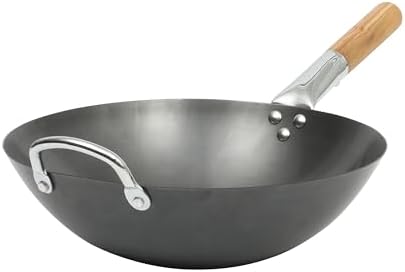
Most chefs prefer carbon steel woks because they conduct heat well. They heat quickly and distribute heat evenly, making them well-suited to high-heat cooking techniques such as stir-frying. The wok develops a natural non-stick surface over time if seasoned correctly, which gives food texture and flavor. Carbon steel woks do require special maintenance, however, since they will rust if not cared for correctly. Periodic seasoning after cleaning is necessary to preserve its cooking qualities and appearance.

Non-stick woks, however, offer ease and convenience, especially for those who are new in the kitchen. It requires less oil in cooking, which reduces the calorie content of food. Non-stick surfaces also facilitate cleaning since food does not stick easily. However, these woks are less tolerant of high heat compared to their carbon steel counterparts, and that may interfere with their performance in certain cooking methods. Non-stick coatings also wear out over time, especially if metal utensils are used.

Your own cooking style and preference should also be significant factors in your decision. If you like high-heat cooking and vibrant stir-fries, a carbon steel wok can be more suitable. If you prefer hassle-free cooking and cleaning, a non-stick wok can be more suitable for you. With these factors and understanding the difference with regards to durability, performance, and maintenance, you can make a smart decision that would complement your cooking endeavors.

Cleaning Your New Wok

Before embarking on the seasoning process of your new wok, it is essential to thoroughly clean it to eliminate any factory residues or protective coatings that may be present. This initial cleaning will prepare your wok’s surface for the seasoning, ensuring that the flavors developed during cooking are not compromised by lingering chemicals.

To start the cleaning process, bring a large pot of water to a boil. Gently place your wok into the boiling water and allow it to stay for a few minutes. Heat will help soften the factory oil or coatings. Following this, it is advisable to take a non-abrasive sponge or a soft cloth and gently scrub the interior surface of the wok. Do not use strong chemicals or soaps, as these will leave behind undesirable residues and could influence the cooking qualities of the wok.

As you scrub, pay special attention to areas that have an oily or greasy feeling, as there may be residual coatings in these spots. Be sure that you are thorough about it, getting the sides and exterior of the wok as well. When you are satisfied with the scrubbing, rinse the wok thoroughly with hot water to remove any loosened debris.

After rinsing, it is necessary to dry the wok completely. Woks are generally made of carbon steel or cast iron, and both of these tend to develop rust if there is any dampness remaining. The best method to dry the wok is to place it over low heat on the stovetop for a few minutes so that the water evaporates well. When the wok is completely dry, you can proceed with the seasoning process with the confidence that your wok is clean and prepared for optimum performance.

The Seasoning Process

Seasoning a new wok is a significant process in preparing it for cooking, as not only does it create a natural non-stick surface, but it also protects the wok from rust and corrosion. The procedure begins by washing the wok in warm soapy water with a soft sponge, rinsing thoroughly, and drying completely. This removes any factory oils or residue that may be present on the wok and gives a clean surface to start the seasoning process.

Now that the wok is dry, it is time to heat it. Place the wok on a stove over medium-high heat. What you want to do is get it to a stage where you see the metal ever so slightly change color, in that it is now hot enough to move on to the next steps. One useful tip is to watch the wok get dull instead of shiny, which is an indication that it has reached the proper temperature.

Next, take vegetable oil or flaxseed oil and apply an appropriate oil.

Spread a thin layer of oil evenly over the inside surface of the wok using a paper towel or a cloth. Be frugal with the oil so as not to allow too much to accumulate since this will lead to a sticky residue. With the oil applied, continue to heat the wok. You will begin to notice the oil begin to smoke; this indicates that the seasoning has begun. Allow the wok to smoke for a few minutes, as this will enable the oil to polymerize and form a protective layer.

After the initial smoking, turn off the heat and allow the wok to cool. Once cooled, you may repeat the oiling and heating process two to three times for a well-seasoned surface. Each session enhances the non-stick properties and fortifies a protective layer. Proper seasoning of your wok not only optimizes its use but also extends its lifespan, making it a kitchen favorite.

Maintaining Your Wok

Proper maintenance is crucial for ensuring the longevity and functionality of your wok. After seasoning your wok, which creates a protective layer, it is essential to adopt appropriate care practices to maintain that seasoning and prevent any deterioration. Cleaning your wok promptly after use is a critical part of this process. It is advisable to avoid using harsh detergents, as these can strip away the seasoning. Alternatively, mild soap, if necessary, can be used with warm water to clean your wok. For sticky food residue, it is recommended to use a soft sponge or cloth, rather than abrasive scrubbers, which scratch the surface.

Drying

After cleaning, drying your wok is important. Water spots on the surface can lead to rust, compromising the integrity of the seasoning. A low stovetop heat will dry up any remaining water. A thin coating of cooking oil will then reinstate the seasoning and protect the wok from oxidation. Vegetable oil or flaxseed oil is commonly used and can be applied to the surface using a paper towel. This not only maintains the seasoning of the wok but also contributes to the nonstick quality.

Storage is also an important factor in keeping your wok in good condition. It is best to keep your wok in a dry area, hanging if possible, to prevent scratching. Also, putting a paper towel within the wok will draw out any moisture and help to keep it from oxidizing. Do not stack your wok on top of other cookware, as this will scratch and harm the seasoning. By using these simple yet effective maintenance techniques, you will have your wok in top working condition and it will keep giving you excellent performance in your cooking endeavors for many years to come.

Things to Consider When Choosing a Wok: Features and Tips for Buying the Perfect Wok

Knowing Wok Materials

The material of a wok generally determines its cooking performance, longevity, and maintenance when you select a wok. Carbon steel, cast iron, stainless steel, and non-stick coating are the most popular materials used by wok manufacturers. Each of these materials possesses unique properties that are appropriate for different cooking techniques.

Professional cooks like carbon steel woks because they conduct heat exceptionally well and are sensitive to changes in heat. Carbon steel woks heat quickly and evenly, allowing the precise control required in methods such as stir-frying. You must season them, however, to prevent them from being sticky, and dry them immediately after washing them so that they won’t rust.

Cast iron woks also provide better heat retention but are heavier compared to carbon steel woks.

They are very durable and can withstand high heat for an extended period of time. Some cast iron woks come pre-seasoned, which improves their non-stick properties right out of the package. Although they provide better heat retention, they also require the same maintenance as carbon steel woks and take longer to heat up.

Stainless steel woks are corrosion-resistant, rust-resistant, and durable. They are not as good at conducting heat as carbon steel or cast iron but provide a non-reactive surface that is well suited to cooking acidic foods. They may not provide the same responsiveness to heat as other materials, which can impact techniques like stir-frying that capitalize on high, direct heat.

Lastly, non-stick woks are convenient to use and require minimal oil for cooking. Making them appealing to individuals who prefer ease of use. Their performance can be relatively inconsistent based on the quality of the coating used, and they tend not to perform as well at high heat as the traditional materials. Understanding the pros and cons of each wok material will go a long way in ensuring. You make a highly informed purchase decision that will suit your cooking needs and expectations.

Wok Sizes and Shapes: Finding the Right Fit

When you select a wok, it helps to know the various shapes and sizes because they significantly affect cooking performance and compatibility with your kitchen setup. The round-bottom wok, being the traditional wok, is designed for stovetop cooking with concentrated heat points, such as gas burners. This shape allows for efficient heat distribution and offers a natural stirring motion while stir-frying. A flat-bottom wok, however, is better suited for electric or induction stovetops, as this offers a flat base and a nearer approach to heating elements. Both styles offer unique advantages that can enhance your cooking experience.

Woks typically range from 10 to 16 inches in diameter when it comes to size. The size you choose should align with the amount you’ll be cooking and the number of servings you normally prepare. A smaller wok may be ideal for singles and small families, allowing quick stir-frying of vegetables and protein. Larger woks, however, provide the space for batch cooking and can support bigger meal preparation, so they are more ideal for family dinners and get-togethers.

The other important factor is the depth of the wok. Deeper woks allow for more space for ingredients, minimizing the risk of spilling and enabling you to cook with larger amounts of food. Consider the weight of the wok as well; lighter woks can be more convenient to use, while heavier ones can offer better heat retention and cooking stability.

Lastly, when choosing a wok, consider both its shape and size according to your specific cooking styles and kitchen equipment. Having these in mind will enable you to choose a wok that not only fits your stovetop but also one that will facilitate your cooking tasks effectively.

Key Features to Look for

Selecting the right wok relies on some key features that significantly contribute to its performance and overall cookware experience. Among the most critical aspects to consider is the ergonomic handle design. Properly designed handles offer balance during cooking, enabling home cooks to toss food conveniently. In addition, well-crafted handles foster safe storage, as they allow users to hold the wok securely without slipping or accidental scalding.

The other important aspect to keep in mind when purchasing a wok is its weight. A heavier wok retains heat better, distributing it evenly across its surface. This can lead to improved cooking, particularly when stir-frying. Lighter pans, while easier to maneuver, may not be capable of achieving high heat, which is necessary for achieving that good sear in stir-fried dishes. Therefore, you should choose a well-balanced wok that offers a suitable weight to achieve the best cooking result.

Compatibility with various heat sources is increasingly important in kitchens nowadays. A majority of the new woks are induction cooktop compatible, which requires specific materials to conduct heat effectively. Invest in a wok that will not only perform well on electric or gas ranges but also on induction systems without sacrificing performance. Such compatibility guarantees greater versatility in cooking to adapt to different cooking setups.

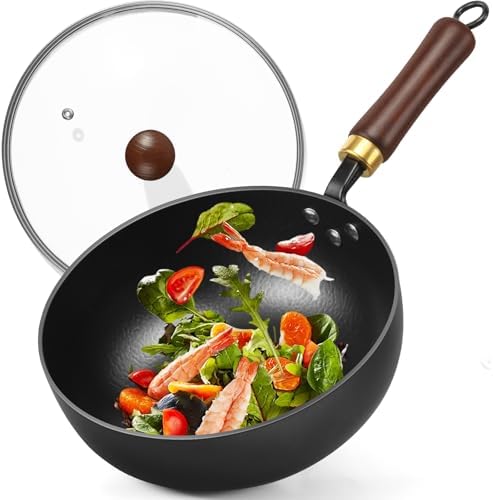
In addition, modern woks now come with extra features, including lids and steaming racks, that can really make a big difference in their usability. Such add-ons enable steaming, braising, or even slow cooking in the wok itself, thereby rendering it a multi-purpose kitchen utensil. Taking these facts into consideration, a properly selected wok can turn into a valuable possession. Taking your cooking habits and meal preparations to a new level.

Tips for Maintaining Your Wok

Caring for your wok is important for it to last longer and function at its best. With proper care, a big difference can be experienced, particularly with cast iron or carbon steel woks, as they need special care methods. Firstly, seasoning your wok is important. Seasoning not only improves the non-stick capabilities but also keeps rust at bay. To season your wok, clean it thoroughly with hot water and a soft scrubber and dry it completely. Then apply a thin coat of oil and heat the wok over medium-high heat until the wok starts to smoke. You have to repeat the process several times to build a good non-stick coating.

It is also necessary that you clean your wok after each use. Even though you might be tempted to use soap, it is generally not advisable since it will strip the seasoning. Simply rinse your wok with warm water and wipe off food bits using a soft sponge or brush. If there are some stubborn bits, try to sprinkle salt on the surface and scrub it gently. Always dry the wok completely after cleaning to avoid moisture accumulation, which leads to rust.

Storage is also something you should not overlook

To prevent scratching and maintain the seasoning, store your wok in a cool, dry area. Putting a paper towel or rag between the wok and any other pots and pans will pad the surface. Also, never submerge your wok in water or leave it in a damp area, as this will cause rust and ruin the seasoning.

Prevent typical mistakes, such as overheating the wok or using metal utensils, since they will also reduce its lifespan. It’s advised to use silicone or wooden utensils to preserve the wok’s surface. By using these handy care guidelines, you’ll be able to enjoy the advantages of your wok for an extended period. Adding to your cooking experiences and tastes.

Essential Guide to Choosing the Perfect Wok: Features and Tips for Buyers

Knowing Wok Materials

The material of your wok significantly impacts its cooking performance, longevity, and maintenance. Carbon steel, stainless steel, cast iron, and non-stick coating are some of the most common. They all have their own share of advantages and disadvantages.

Professional chefs often favor carbon steel. It conducts heat excellently and responds quickly to temperature changes. This material heats up rapidly. This enables high-heat stir-frying. However, carbon steel woks need seasoning. This develops a natural non-stick patina, which deters some users. Regular maintenance prevents rusting. Those who invest the time find carbon steel woks unmatched in cooking performance.

Conversely, people praise stainless steel woks for their durability and corrosion resistance. They are non-reactive to acidic foods. This renders them versatile. Nevertheless, stainless steel is less conductive than carbon steel. This can lead to uneven cooking if you are not attentive. These woks are generally low-maintenance and dishwasher-safe. However, they may not be capable of achieving the genuine stir-fried flavor of seasoned carbon steel woks.

Cast iron woks retain heat very well. This serves to make them perfect for slow cooking. They can be heavy and somewhat hard to handle, however. Like carbon steel, cast iron woks also need to be seasoned. This works to maintain their non-stick quality along with preventing rust. They also have the capability of imparting a specific taste to food. This works to enhance the overall gastronomic experience.

Non-stick woks are easy to use and convenient. Particularly for novice cooks. They require less oil and are simpler to clean. However, the durability of the non-stick coating varies. It can be damaged by high heat. Therefore, careful cooking techniques have to be employed. This helps preserve non-stick surfaces.

Finally, the material of the wok greatly affects your cooking method, retention of flavors, and satisfaction overall. Think about your cooking habits and desire to take care of it. This will assist in choosing the correct wok material for your kitchen.

Wok Size and Shape Considerations

In choosing the ideal wok, shape and size are very important. They greatly affect your cooking process. The sizes of woks usually vary from 10 to 16 inches in diameter. Your choice should suit the number of people you cook for. It should also suit the type of dish that you prepare. For instance, a 14-inch wok usually suits families that consist of four or more. A smaller 10-inch wok can serve one or two persons. Additionally, the type of stove you use gas or electric affects the choice. Gas stoves provide higher heat output. This makes it convenient to use larger woks.

The shape of the wok flat-bottom or round-bottom also plays a big role in cooking performance. People like traditional round-bottom woks. That is because they have a tendency for even heat circulation. This is particularly handy for stir-frying. They allow oil to pool at the bottom. This provides for quick cooking. It also assists in achieving desired wok hei flavors. However, round-bottom woks need a round burner or a wok ring. This provides stability and performance on flat stovetops. Examples include those on electric ranges.

Flat-bottom woks, nonetheless, have gained popularity. This is due to the fact that they are adaptable to modern gas and electric stoves. They provide a steady cooking surface. They also provide additional contact with the heating element. This renders them better for steaming or sautéing. Their shape renders them simpler to manage. It can also provide a more adaptable cooking alternative. Lastly, the choice between a round-bottom and flat-bottom wok ultimately depends on cooking style. People who prefer quick, high-heat stir-frying should go with a round-bottom wok. People who prefer versatility may fare well with a flat-bottom alternative. Taking these elements into consideration, then, ensures a perfect cooking experience. This experience will be tailored to your needs.

Essential Features and Accessories

When selecting the ideal wok for your cooking needs, consider several important features. These directly affect its functionality and your overall cooking experience. One primary feature to evaluate is the handle design. A wok can have either a long or a short handle. Each offers distinct benefits. A long handle allows better leverage. This makes it easier to toss ingredients. A short handle provides greater stability. This is for those who prefer a more controlled approach. Depending on your cooking style, choosing the right handle can significantly enhance your ability to maneuver the wok while cooking.

The weight of the wok is also important. Heavier woks hold heat better. They also provide a smoother cooking surface. Woks that are lighter may be easier to handle. This is especially helpful for cooking that requires a high level of movement. You will need to choose a weight that is compatible with your physical strength and cooking style. As you are thinking about the weight, consider how often you will be using the wok. Versatile uses may be worth the investment in a heavier model.

Other than handles and weight, look for simple accessories. They can streamline your cooking. A fitting lid is essential for those who enjoy steaming or braising. It traps flavors and moisture during cooking. Likewise, a quality spatula designed for wok cooking facilitates easy stirring, turning, and scraping. It prevents surface damage to the wok. While deciding, remember what accessories would best go along with your cooking. This will tailor your decision to your cooking needs and style.

Tips for Caring for and Maintaining Your Wok

Proper care and maintenance of your wok is the most important thing. This will ensure that it lasts longer and maintains its performance while cooking. The following tips will help keep your wok in new condition. This is irrespective of whether it’s carbon steel or non-stick coated.

For carbon steel woks, the first thing is seasoning. Seasoning involves applying a thin layer of oil on the wok’s surface. Heat it then until it smokes. This creates a natural non-stick surface. This contributes flavor and prevents rust. You must re-season your wok regularly. Do this especially if you notice that food is starting to stick or the surface is looking dull. Use vegetable or flaxseed oil for the best results. Never cook acidic foods in a wok after it has been re-seasoned. They will remove the seasoning.

It is also necessary to clean your wok after each use. For carbon steel woks, avoid using soap. It will remove the seasoning. Just brush the surface with a soft brush or sponge and hot water. This will remove food particles. Rinse and dry the wok thoroughly under low heat. Then apply a thin layer of oil to prevent rust. If your wok has a non-stick coating, use mild detergents and soft sponges. This will leave the surface intact. The use of abrasive cleansers can erode this thin layer of protection.

To prevent rust, never store your wok in a damp place. If you live in a humid environment, store it with rice or other desiccants. And never use utensils that will scratch the wok’s surface. This will also undermine the quality of cooking over time. Keeping a close eye on these common mistakes will ensure that your wok will remain a faithful kitchen companion for years to come.

Unlocking the Benefits: Advantages of Using a Wok

Introduction to Wok Cooking

The versatile and indispensable cooking pan, wok holds a very prominent place in the culinary culture of many. Particularly in Asian cooking. Since its inception in old China, the wok has been a part of everyday cooking for thousands of years. The high-sided round bottom of the wok makes it possible to cook in many different ways. Ensuring uniform heat transfer and precise temperature control. It possesses this unique shape which allows for speedy cooking methods such as stir-frying. Steaming, and deep-frying, hence showing its adaptability in the kitchen.

Dating back over two thousand years, wok usage is found in ancient Chinese home cookbooks and household ledgers. Because of its practicality and efficiency, it gained popularity with both domestic cooks and professional chefs. The wok’s popularity has changed over the years and across cultures, as taken up by various culinary cultures around the globe. Including Thai and Vietnamese, Indian, and numerous others.

One of the benefits of wok cooking is that food can be quickly cooked while flavor and nutrients are preserved. Splattering is avoided by the sidewalls of the wok, and tossing food without spilling is allowed. This feature not only makes it most appropriate for stir-frying but also facilitates techniques such as steaming. Food can be placed in a bamboo steamer placed over the wok for slow cooking. Deep frying is also done well using a wok since its shape makes it possible to use less oil compared to regular frying pans. The wok’s versatility thus makes it a focal piece of equipment in professional and domestic kitchens. Complement to anyone looking to increase their repertoire of food choices.

Speed Cooking: The Speed Advantage

The shape of the wok, possessing the unusual concave form and large surface area, is an excellent tool in speed cooking. Stovetop cooking is usually performed on flat surfaces that could restrict the rapid transfer of heat. The wok, however, is designed for rapid heating, with the curved bottom concentrating heat at the bottom and providing sufficient space to stir and toss food. The design allows for even heat distribution, which consequently minimizes cooking time and accelerates cooking food.

In addition, the steep sides of a wok allow for easy tossing and stirring of ingredients. Ensuring a fast sear on meat and vegetables while locking in their flavor and nutritional value. This method, referred to as stir-frying, induces minimal cooking time along with intense heat, resulting in rapid caramelization and sealing of flavors. When quickly stir-fried in a wok, vegetables are able to preserve their colour, crisp texture, and essential vitamins, making it a healthy choice for those that prefer to prepare healthy meals quickly.

The convenience of wok cooking is particularly beneficial in busy kitchens, where time is of the essence. Home chefs and even working chefs can prepare excellent dishes in a matter of minutes, which means less time on the stovetop and more time to enjoy the finished dish. That efficiency is particularly beneficial when quick meal preparation is needed. Home chefs and professionals having a handy way to modern cooking.

Generally speaking, the innovative design of a wok optimizes cooking time as well as enhances the entire culinary experience, and it is an extremely convenient utensil for any person who wishes to enhance the efficiency of cooking.

Even Heat Distribution: Cooking Consistency

Even heat distribution is an important cooking aspect that is very important in deciding the quality and consistency of cooked foods. A wok, because of its shape and material, is particularly suited to efficiently distribute heat across food during cooking. The traditional woks, usually made from carbon steel or cast iron, have high thermal conductivity, which allows them to heat up nearly instantly and distribute themselves evenly. The concave nature of a wok once more has the effect of facilitating heat to travel more easily around the surface.

One of the most important advantages of a wok is its ability to generate high cooking temperatures with consistency. This is required for techniques such as stir-frying, where rapid cooking prevents foods from becoming soggy and builds up a good texture and flavor. Hot spots, which lead to uneven cooking and yucky results, are minimized through the shape of the wok. After adding food to the pan, it should ensure the heat is distributed evenly in order not to overcook some sections and leave others undercooked.

Also, the use of good technique, such as frequent stirring and precise temperature management, can make the cooking process better. With the integration of these processes and a wok, professional-level outcomes can be achieved, duplicating the effectiveness of high-end kitchens. With the combination of the ideally designed cooking vessel and the utilization of good technique. The entire cooking experience is increased, as well as the depths of the flavor profiles for the food that is being prepared.

At its essence, even heat distribution not only ensures food is properly. Cooked but also provides an opportunity for home-based chef-quality outcomes. Therefore, investing in a good-quality wok can be a life-changing decision for any individual who wishes to upgrade the quality of cooking and benefit from the numerous advantages this single kitchen appliance has to offer.

Energy Efficiency: Reduced Energy Use

As far as efficient energy cooking is concerned, the wok is a great choice. The type of material and shape used in a wok make it efficient in terms of fast and even heat transfer. Leading to the attainment of higher temperatures at faster rates than the conventional cookware. This is a strongly needed facility in the present context where energy conservation is increasingly. Becoming important for environmental sustainability as well as for the household budget.

The shape of a wok, its shallow and wide basin, and sloping sides are all designed to provide the largest possible cooking surface exposed to heat. This enables rapid searing and stir-frying of food, which cooks faster, and consequently, less energy consumption. Moreover, the common material used to produce woks, e.g., carbon steel or cast iron, possesses high heat retention. Because the wok heats extremely well, amateur cooks know they can turn back the heat sooner than they could with the majority of frying pans or pots, providing additional savings in energy.

Using a wok for multifunctional cooking not only reduces reliance on electricity or fuel but also results in an eco-friendlier lifestyle. Homes and businesses that implement energy-saving practices add up to the overall effort of conserving the environment. In practical life, this energy conservation means reduced electricity or fuel bills. Over time and collectively, such savings can be considerable. Making the wok not just an omnifunctional kitchen tool but also a cost-saving investment for green-conscious cooks.

Overall, the energy efficiency of the wok essentially contributes to its appeal. With the synergistic effect from the unique design of the wok and material characteristics. Fantastic cooking results may be achieved by the users with minimal environmental pressure and conserved energy spending. This renders the wok a appealing choice for any person wishing to maximize cooking efficacy with consideration for the utilization of resources.

The Versatile Wok: Definition, History, and Cultural Significance

What is a Wok?

A wok is a round-bottomed cooking pot. It is originally from China but is popularly used in other cuisines in Asia. Its unique shape gives it a bigger cooking surface area compared to regular pans. This makes it best suited for high-heat cooking techniques such as stir-frying. Woks usually have rounded and deep sides. These allow food to be easily tossed and stirred about. This stops food from spilling out when cooking.

The material used to make a wok is vital to its functioning. Carbon steel is what is used most to make traditional woks. It has the advantage of being lightweight. It also gets hot quite fast compared to other metals. This type of wok develops a natural non-stick surface when used over time as it is seasoned. This makes it more functional and better for seasoning food. Some of the materials utilized include cast iron, which retains heat, and stainless steel, which is strong and low-maintenance. Contemporary non-stick woks are likewise very widespread today. The reason for this is that they are convenient to work with and clean. This makes wok cooking accessible to many people. Woks vary in design by material and the presence of handles.

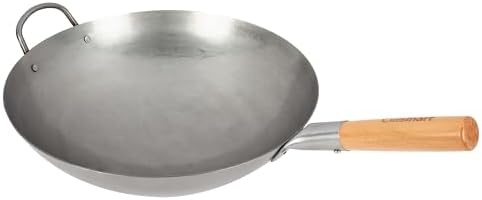
Some woks have one extended handle to one side. This is suitable for tossing food. Other ones have two brief handles. These provide support when dealing with heavier recipes. This versatility provides cooks the means of using many various methods of cooking. These include steaming and braising, and stir-frying. At the end of the day, the unique characteristics of a wok make it a crucial appliance. This is both for restaurants and home cooking. It is useful in a vast array of cooking methods. The Origin of the Wok
The wok, which is a divine cookware, originated around 2000 years ago in ancient China.

People used to make woks during early times using bronze.

Bronze was extensively used during those periods. These woks served multiple purposes. These were boiling, frying, and steaming. The wok evolved with time. It suited the cooking culture and needs of the time. This amazing adaptability is one of the main reasons it has persisted in being at the center of Chinese and global cooking. Geography and culture in China created the wok in large measure. The character of materials like carbon steel and cast iron played heavily towards the evolution of the features of the wok. People appreciated cast iron because it had a better heat retention ability and consistent cooking.

It was popular between the Ming and Qing dynasties. Carbon steel, on the contrary, became the preferred substance in today’s world. It was because it was lighter and heated quickly. This made it ideal for stir-frying. The curved bottom of the wok ensures proper heat transfer. This enables multiple cooking techniques. They include frying, steaming, and braising. It is useful in stir-frying. Stir-frying is a method that involves quick cooking.

It helps achieve the desired flavor and texture of the ingredient. When trade widened, the wok spread across China. Different communities across Asia utilized it. It shows its worldwide importance. In addition to its purpose, the wok also has cultural significance. It is a symbol of harmony in Chinese cooking. This mirrors the harmony of flavor and regard for ingredients. The history of the wok is, thus, more than about a cooking pot. It is symbolic of the rich culture and evolving cuisine of a nation. The History of Wok Usage Across Cultures The wok, that versatile cooking vessel traditionally associated with Chinese cooking, has a rich history.

It dates much further than its origins.

Its arrival in Southeast Asian countries had a profound influence on regional cuisine.

They are Thailand, Malaysia, and Vietnam.
With these nations embracing the wok, they adapted. They used it to suit local ingredients and cooking techniques. This produced unique variations. These reflect the diverse gastronomic landscapes of the areas. For example, within Thai cooking, the wok is required for stir-frying foods such as pad thai. This illustrates how it is used in both old and new recipes. The wok’s diffusion into Western cuisines represents an important page in its history. This aside from Southeast Asia. The late 20th century observed increased enthusiasm for Asian cookery methods. This was also partially due to increased globalization and immigration. This shift led to the use of the wok in home and commercial kitchens in North America and Europe.

Woks entered the cooking arsenals of chefs. They utilized the wok to create dishes that satisfy the traditional Chinese taste as well as Western palates. From high-end fusion cuisine to home cooking, the wok’s versatility made it transcend cultures. Additionally, communal cooking is a critical role of the wok. This aspect holds cultural significance in the majority of societies. Its circular and high sides make it ideal for preparing meals. The meals are shared together. This generally leads to family-style meals.

These encourage bonding and have cultural identity. The wok is more than a cooking tool. It also embodies the social quality of food itself. It highlights the importance of communal dining in societies. As the wok keeps innovating and influencing cooks worldwide, its enduring legacy is proof of the wok’s place in world culinary cultures. Wok Cooking Techniques and Traditions The wok is a most versatile cooking vessel. It accommodates different techniques. These support varied cooking cultures. One of the key methods is stir-frying.

It is a fast and efficient technique.

It is cooking food under high heat with a limited amount of oil. Chefs prefer cutting ingredients into uniform pieces. This ensures equal cooking. This makes it the ideal one to apply in the quick preparation of vegetables, meat, and noodles. It also preserves their taste and texture. The curved sides and flat bottom of the shape of the wok facilitate tossing. The shape also ensures that food is cooked evenly. Deep-frying is also a favorite technique. It is leveraging the wok’s capacity. It can accommodate much oil. Chefs completely submerge foods like dumplings and spring rolls in hot oil. This creates crunchy surfaces and soft interiors. The design of the wok helps in retaining heat. This makes it perfect for achieving that golden-brown finish.

Steaming is another wonderful method of cooking. It typically involves employing a cooling rack or bamboo steamer in the wok. This process is especially healthy. It retains the nutrients of vegetables and proteins. It cooks them slowly without the utilization of too much fat. The majority of traditional foods utilize this method. Baozi or dim sum are some examples. It guarantees obtaining delicate textures. Even grilling can be done using the wok. Specialized equipment like wok grills can completely change the cooking process. They allow tasty smoky flavors in vegetables and meats too. Maintenance and care of the wok, regardless of the process, is of prime importance.

Seasoning is imperative.

It creates a non-stick surface and introduces improved flavor. It typically involves a layer of oil and heating it. This coats evenly. It requires gentle cleaning. This avoids ruining the seasoning. It can be done using a soft sponge and minimal soap. A wok can last an eternity if handled properly. It has unlimited potential in the kitchen.

Reviving a Rusty Carbon Steel Wok: A Restoration Guide

Understanding Carbon Steel Woks

Carbon steel woks are an essential part of equipment used in professional kitchens and households. People adore them because of their brilliant cooking abilities. They are made predominantly using carbon and iron. They are greatly prized for their uniform heating abilities. This allows for well-regulated temperatures during cooking. This aspect comes in handy while utilizing the stir-fry method. Stir-frying is a technique that demands quick heat and rapid cooking intervals. This allows food to retain freshness and texture.

One of the most significant benefits of carbon steel is its excellent heat retention. A carbon steel wok, once well-heated, can maintain high temperatures. It is required for developing the intricate flavors and textures of Chinese food. Carbon steel also possesses a natural non-stick quality once well-seasoned. This makes food release simple and cleanup a breeze. This is not exclusive to stir-frying. Carbon steel woks can be utilized for deep-frying, steaming, and even baking. While these are the advantages carbon steel woks possess, they rust if they are not properly maintained.

The iron content would react with water in the air.

This leads to oxidation. The common issues that lead to rusting are not drying them properly after washing, keeping them in humid environments, or failing to season. Maintenance is significant in retaining the cooking function and longevity of the wok. Periodic seasoning of the wok by applying a thin layer of oil after each use not only enhances its non-stick surface but also creates a protective layer against moisture and air, hence preventing rust from developing. Therefore, understanding the characteristics and care requirements of a carbon steel wok is important. This is for individuals who desire to fully enjoy the benefits of this wonderful kitchen tool. With proper care, a carbon steel wok can be a valuable and cherished partner in any culinary quest.

Evaluating Your Rusty Wok

Assessing the Damage: Evaluating Your Rusty Wok

When restoring a rusted carbon steel wok, the first thing one has to do is complete damage assessment. Identifying the extent of rust and how it affected the cookware is vital. This will determine whether it can be repaired or not, and whether it should be replaced or not. Begin by visually inspecting the interior and exterior of the surfaces for signs of rust. A rusty wok may have varied degrees of discoloration. This ranges from light marks to heavy, flaky patches of rust.

The second step involves the identification of the level of rust.

Typically, there are two types: superficial rust, typically superficial and loose, and deep-rusting rust.

Deep-rusting rust alters the structural integrity of the wok. It can be gauged by touching the surface with caution. A rough and irregular surface indicates a bad situation. It is also advisable to check for pitting. Pitting occurs when the rust eats into the metal and produces small pits. A wok with severe pitting may be lost. Also think about rust on the outside. This may indicate storing it improperly. An outside rusted surface does not necessarily render it unusable. It might, however, require cleaning and re-seasoning. Considering whether the wok can be saved, how far the rust has progressed is significant. If rust spans the majority of the cooking area, restoration could be too expensive in relation to purchasing one new. Safety is also a consideration. Cooking with a highly rusted wok can have health effects. Rust can be transferred to food. In case uncertainty exists about the safety of the wok once restored, consult cooking safety guidelines. Expert advice can also be obtained. Correctly identifying the damage will allow you to make proper judgments on whether to restore or replace your rusty carbon steel wok.
Step-by-Step Restoration Process

It is a rewarding process to refurbish a rusty carbon steel wok. It can significantly extend its lifespan. This makes it a primary cooking tool for years. It requires preparation, patience, and proper tools and materials. This removes rust properly and re-seasons the surface. To begin, gather the following: scrubbing pad or steel wool, white vinegar, baking soda, vegetable oil, and a heat source to season.

First, assault the rust on your wok.

Begin with soaking the rusty areas with white vinegar freely. The acidity in the vinegar will break down the rust.

Let it sit for a few minutes, about five to ten. Then, employ the scrubbing pad or steel wool to gently rub away the rust. Employ even pressure and do not scratch too deeply. This may destroy the surface of the wok. Wash the wok under warm running water and dry it with a clean towel. Any remaining moisture will allow rust to reform. Once the rust is removed and the wok is dried, the next thing is to remove the acid of the vinegar. Apply a paste of water and baking soda on the wok surface. Spread it evenly and let it sit for some minutes. Wash it off with warm water and dry it later on. Having successfully dried and cleaned the wok of any impurities, now is the time to re-season. Preheat oven to 400°F (200°C) or heat the wok on a stovetop at medium heat.
Apply a thin coating of vegetable oil, making sure to cover the whole interior surface.

Heating the wok allows oil to polymerize.

This forms a protective layer which enhances its non-stick properties. Let the wok heat for about 30 minutes. Then remove it from the heat and let it cool. The final step is storing your newly refurbished wok in a dry place. Take good care of it so that in the future, there will be no rusting. Tips for Long-Term Maintenance Once you have successfully refurbished your carbon steel wok, its maintenance is vital. This ensures its life expectancy as well as performance within the kitchen. Proper care prevents rust and preserves cooking characteristics making carbon steel woks so desirable. Wash your wok thoroughly after each use, first of all.

Avoid any harsh detergents or scouring cleaners. These will strip the seasoning coating. Clean with only hot water and a gentle sponge or cloth to brush food particles off. Only use a very small quantity of mild soap if absolutely necessary. But use it sparingly to maintain the seasoning. Clean the wok well and dry it thoroughly to prevent moisture buildup. Rust is a result of moisture. You can do this by heating it gently for a few minutes. This evaporates any excess moisture. Once dry, a thin layer of oil should be applied. You may use vegetable or grapeseed oil.

It protects the surface and locks in the seasoning. The oily layer acts as a rust barrier. It also enhances the non-stick nature of the wok. Storage is also crucial to maintain your carbon steel wok. Store the wok in a dry location. Ensure it is completely dry before putting away. If you live in a particularly humid environment, have the wok covered with a clean cloth. This provides additional protection from moisture. Also, avoid piling heavy items on the wok. This will result in scratches and wear on the seasoning surface. With good cleaning, drying, seasoning, and storage on a regular basis, your carbon steel wok can be a loyal kitchen assistant for decades. Keeping to the care tips not only makes the wok long-lasting but also keeps it delivering excellent cooking performance.

Troubleshooting Common Carbon Steel Wok Issues: Causes and Solutions

Knowing Your Carbon Steel Wok

Carbon steel woks are now very popular in culinary practice. That is because they have a unique cooking capacity that is both versatile and efficient. Made from a thin sheet of carbon steel, the woks are characterized by outstanding heat conduction. This helps them cook quickly and evenly. This allows chefs to achieve high temperatures, which are required for procedures such as stir-frying, searing, and browning. Light weight of carbon steel also makes it convenient to handle. This is also one of the reasons why it is also extremely prevalent in commercial kitchens and home kitchens.

One other aspect of carbon steel worth mentioning is that it tends to form a natural non-stick coating from seasoning. This is achieved through the application of oil to the wok and then heating it. This forms a polymerized fat layer which improves the cooking surface over time. Proper seasoning not only maximizes the wok’s performance but also adds depth to the flavor of the foods that are cooked. Seasoning has to be kept at all times. Without seasoning, a carbon steel wok can be easily overpowered by rusting and sticking.

The reactivity of carbon steel to outer factors like humidity will also lead to the formation of rust. Carbon steel is a reactive material as opposed to other materials. This means food’s acidity can cause it to lose its seasoning and potentially develop off-flavors. Therefore, promptly dry your wok after cleaning. Avoid prolonged exposure to water to ensure its longevity. Proper storage, seasoning, and regular maintenance will prevent most common issues with carbon steel woks. This allows users to enjoy their versatility and cooking efficiency for years.

Common Wok Problems and Their Causes

Carbon steel woks are known for being highly resistant to heat and long lasting. However, users normally have issues that can spoil their cooking experience. The causes of such frequent issues must be grasped in order to troubleshoot appropriately.

Sticking is possibly the most frequent issue users of carbon steel woks have. An issue like this most commonly arises because of an improper seasoning of the surface of the wok. Seasoning creates a non-stick coating. If this step is not done accordingly, food particles will adhere to the surface. Even not having sufficient oil during cooking can exacerbate the issue. When the wok isn’t oiled adequately, foods stick to the metal. This is annoying and leads to a less-than-optimal cooking experience.

Rusting is another common problem. Carbon steel has a tendency to rust if it is not cared for rightly. Rust could develop when the wok is exposed to water. This is particularly true if it is washed and not properly dried afterward. Moreover, if the wok is left in a damp state or unseasoned for an extended period of time, rust development is a certainty. All these conditions coalescing could lead to the weakening of the surface of the wok. This makes it critical that users employ appropriate care strategies.

Inconsistent heat distribution is another problem that can be encountered by cooks. A poorly made or poorly seasoned wok may not be able to distribute heat evenly. This causes hot spots that can impact cooking outcomes. Also, incorrect heat settings can lead to the same. For instance, using a heat setting that is too low can hinder the wok from reaching the optimal temperatures necessary for effective stir-frying. Therefore, the awareness of such factors can allow users to troubleshoot and enhance their performance.

Remedies for Sticking and Rusting Issues

Fixing sticking and rusting issues in carbon steel woks is critical in maintaining their performance and lifespan. It begins with proper seasoning. This forms a protective layer on the wok surface that enhances its non-stick nature. Begin by thoroughly washing the wok with hot soapy water and a scrubbing pad. This removes any factory contaminants. Wash and dry the wok well. Then put a thin coating of high-smoke-point oil. Use grapeseed or flaxseed oil, so that it coats the entire surface evenly.

Preheat your oven to approximately 450°F (232°C). Place the wok upside down in the oven. Preferably, put it over aluminum foil to catch any drips. Bake for about an hour. Afterwards, turn off your oven and leave the wok in the oven to cool. This will season the wok and create a long-lasting non-stick coating.

If rust has already developed, don’t worry. Re-seasoning can rejuvenate your wok. Begin by cleaning the rusty areas with steel wool or baking soda and water. Next, rinse and dry the wok completely. Re-do the seasoning process mentioned earlier. This way, re-seasoning properly covers the surface.

To maintain your carbon steel wok and prevent future issues, develop some cleaning and storage habits. Clean with hot water and mild sponge after each use. Avoid using aggressive detergents that will strip the seasoning. Dry the wok thoroughly before storing it. This does not permit moisture build-up, which can lead to rusting. Also, apply a light coating of oil onto the surface before storing it. This adds an extra level of protection. Doing so will actually fix sticking and rusting problems effectively. This will ensure your carbon steel wok delivers the best performance.

Even Heat Distribution in Your Wok

When cooking using a carbon steel wok, even heat distribution is crucial for an optimal outcome. A well-seasoned wok ensures a better cooking experience. It prevents overheating in certain spots while leaving others cold. One of the major ways of having evenly spread heat is in the form of good preheating. First, do not put anything in the wok and let it heat for a few minutes using medium heat. Let it be until it is evenly heated. This eliminates any cold spots. It also prepares the surface for even cooking.

Using the correct utensils to cook with also matters. Utensils made from wood or silicone work well. They are safe to handle hot and pass heat evenly along the wok’s surface. Metal utensils tend to scratch at times. These will disrupt the seasoning and heat transfer properties of the wok. Check over utensils constantly for wear. Replace them immediately to maintain the best cooking conditions.

Adjusting the heat levels while cooking can significantly improve heat spread. Start with medium-high heat and observe the food closely. If certain ingredients are cooking faster than others, lower the heat so that the food does not cook unevenly. Additionally, frequent stirring helps in heat redistribution. This prevents sticking and helps all ingredients cook evenly. For a precautionary measure, you can also perform a simple heat spread test. Add a small amount of water into the hot wok. It will swirl rapidly, indicating that the heat is evenly distributed.

With the use of these techniques, any individual can have good heat distribution in his carbon steel wok. This leads to better cooking performance as well as higher-quality culinary outcomes. Even heat is what it takes to become a proficient wok cook. This makes wok cooking more enjoyable and successful.

Adapting Recipes for Your Carbon Steel Wok: Tips for Best Results

Learning Carbon Steel Woks

Carbon steel woks are a favorite of food aficionados due to their unique characteristics that foster cooking practices. In contrast to other materials used in cookware such as stainless steel or cast iron, carbon steel boasts unmatched heat retention and circulation. When heated adequately, carbon steel woks can achieve extreme temperatures quickly, making them ideal for stir-frying. The sensitive thermal response enables cooks to yield precise results, particularly when carrying out practices such as searing or browning.

The efficiency of the material at conducting heat ensures the food cooks evenly. Reducing the instances of hot or cold spots in cooked food. This is particularly notable with food that needs to be cooked fast, such as in traditional stir-frying. The effect is that food has a fine balance of taste and texture. Extracting the full culinary worth of this handy utensil.

Seasoning is the most crucial aspect of maximizing the efficiency of a carbon steel wok. Carbon steel is not shipped pre-seasoned, as non-stick pans are. And therefore needs to be seasoned in order to produce a naturally non-stick surface. Oil is applied to the wok, and it’s then heated, polymerizing the oil to form a layer. Not only does this prevent food from sticking, but also accumulates a depth of developed flavor with use. Regular maintenance, including proper cleaning and drying processes. Must be done to prolong the life of the wok and preserve its culinary capability.

Ultimately, having a knowledge of the unique traits of carbon steel woks can greatly impact cooking processes and recipe adaptation. Understanding the material’s heat conduction, reactivity, and requirement for seasoning. Amateur cooks can use these strengths to achieve the best results for their cooking activities.

Changing Cooking Methods

When cooking with a carbon steel wok, it is essential to adjust your cooking techniques to achieve the best possible results. One fundamental adjustment is preheating the wok. Unlike traditional pans, carbon steel woks require thorough preheating to enhance their non-stick properties and to ensure even cooking. To preheat effectively, place the wok on medium-high heat until it is hot enough that a few drops of water can dance around the surface. This is the most important step that becomes the foundation of a successful stir-frying.

Secondly, high heat is also needed in stir-frying due to the quick method of cooking inherent in this process. Carbon steel woks heat very well, making it possible to cook food quickly and retain the flavors as well as the food’s moisture. Unlike non-stick pans that can be destroyed by excessive heat, carbon steel can thrive under such conditions. When stir-frying vegetables or proteins, for instance, look for heat that creates a mild smoke, which indicates that it is searing. This quantity of heat will alter the taste and texture of your food, and make it more appealing.

The control of heat aside, the application of oils also plays a role in cooking with a carbon steel wok. The oils should be of a high smoke point type, such as grapeseed, peanut, or canola oil. These oils are able to withstand the hot heat necessary for good stir-frying and also prevent the wok from sticking. Furthermore, cooking lengths and techniques need to be modified for some ingredients that will behave differently in the wok than they would in other frying pans. Leafy greens, for instance, need to be added towards the end of the cooking process in order to preserve their texture and color. By achieving these subtleties and applying the correct adjustments, the taste and texture of food cooked in a carbon steel wok can be significantly enhanced.

Learning to Accommodate Ingredient Selection

Ingredient selection is a key consideration when cooking with a carbon steel wok in order to achieve best results. Since it possesses better heat retention and distribution properties. The carbon steel wok is particularly ideal for high-heat cookeries like stir-frying. Such that the food items chosen should complement this form of cookery. To a large extent, light meats like chicken, shrimp, and pork are the best choices because they can be prepared in a few minutes with high heat without losing moisture and tenderness. For meat lovers, thinly sliced pieces such as sirloin or flank will be the best option.

Vegetables are a vital ingredient as well; they need to be selected not only for flavor but also for texture. Vegetables that can be prepared quickly, like bell peppers, snap peas, and broccoli florets, are ideal, as they do not lose their crunch when subjected to high heat. Slicing vegetables of the same size is useful, ensuring uniform cooking time. For instance, slicing carrots into thin matchsticks or onion into tiny squares will ensure they cook quickly and uniformly.

Aromatics such as garlic, ginger, and scallions must be added with caution. Because they are so strong, it is important to add them towards the end of cooking time to avoid burning and to ensure that their flavor contribution is maximized. Also, marinating your ingredients prior to cooking will add a lot to their taste profile when cooked with a carbon steel wok. A simple marinade of soy sauce, sesame oil, and cornstarch can tenderize meats and act as a tasty coating that adheres well through the cooking process.

Finally, understanding how to adapt ingredient choices not only results in more flavor but also assures that the unique merits of a carbon steel wok are optimized, allowing home cooks to adapt their recipes for spectacular outcomes.

Recipe Adjustments and Tips

When porting recipes to your carbon steel wok, some adjustments may be made to ensure the best outcomes. The unique nature of a carbon steel wok, which can retain high heat and radiate it evenly, calls for adjustments mainly in proportions of ingredients, seasoning, and cooking sequence.

For classic stir-fries, begin by reducing the quantity of meat or protein; a lesser amount cooks more evenly and allows for proper browning. Aim for thin, evenly cut pieces, as they will sear quickly in the hot surface of your wok. Moreover, make sure to have all your ingredients prepped and close at hand. This is key, as the quick cooking time that is associated with wok cooking means that you will need to work quickly in order to achieve the desired texture and flavor.

With fried rice, a standard in wok cooking, day-old rice is ideal. It reduces moisture content and prevents clumping. When seasoning, add more soy sauce than other sauces so the flavor permeates throughout without overpowering the dish. Add a sprinkle of sesame oil during the final moments of cooking to enhance flavor and body.

With sautés, the water content of your vegetables is a large factor. Be careful adding water-rich vegetables like zucchini or bell peppers; they will significantly reduce heat if added too early in the process. Start with denser veggies like carrots or broccoli, and then add others like snow peas or leafy greens towards the end of the sautéing time.

Besides these changes for familiar recipes.Consider how versatile a carbon steel wok is to use when trying out world cuisines. From Thai to Chinese to Vietnamese cuisine, replicating flavors and techniques can be delicious. Test by replacing traditional ingredients with fresh herbs or spices that blend with the flavor profiles of your target cuisine. Thereby encouraging creativity and innovation in your cooking.

Classic Meals

- Advertisement -