Home Blog Page 80

Best Woks for Induction Cooktops: What to Look for

Induction cooktops have surged in popularity due to their energy efficiency, speed, and precise temperature control. However, they pose a unique challenge: not all cookware works with them, and woks are no exception. If you’re in the market for a wok that performs well on an induction surface, this guide is for you.


How Induction Cooking Works

Unlike electric or gas stoves, induction cooktops use electromagnetic fields to generate heat directly in the pan. This means your cookware must be magnetic to function. If your wok doesn’t contain ferrous (magnetic) material, it won’t heat up at all on an induction burner.


Key Features of Induction-Compatible Woks

  1. Magnetic Material
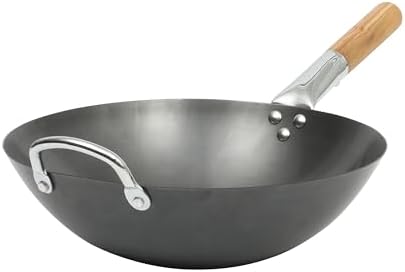
    The wok must be made of a magnetic material such as carbon steel, cast iron, or induction-compatible stainless steel. Use a magnet to test: if it sticks to the bottom, it will likely work.
  2. Flat Bottom
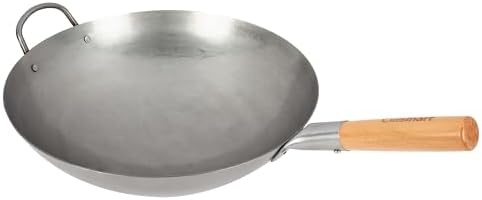
    A flat base is essential. Induction burners require direct contact to transfer heat effectively. Traditional round-bottom woks won’t work unless paired with a specialized induction wok hob.
  3. Right Size and Thickness
    Choose a wok with a base that matches your cooktop’s burner size for efficient heat transfer. Also, avoid overly thick-bottomed woks that can delay heat response.

Woks to Avoid for Induction

  • Aluminum or Copper Woks (unless bonded with magnetic material)
  • Round Bottom Woks without a dedicated induction hob
  • Non-stick Woks with warped or thin bases

Recommended Induction-Compatible Woks

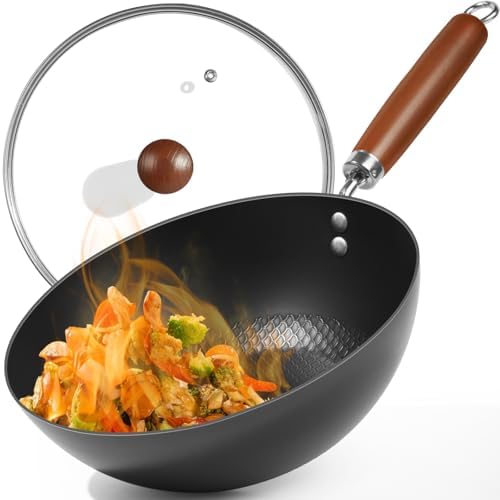
  • Yosukata Flat Bottom Carbon Steel Wok
    Designed specifically for induction cooking, with a sturdy flat base and excellent seasoning potential.
  • T-fal Ultimate Hard Anodized Wok with Induction Base
    Non-stick interior with an induction-compatible stainless steel plate.
  • Lodge Cast Iron Wok
    Heavy but induction-safe, and ideal for deep frying and stir-frying.

Tips for Better Performance

  • Preheat slowly to avoid warping.
  • Season carbon steel woks to improve non-stick performance.
  • Use induction-specific cookware mats to prevent scratching.

The right wok magnetic

Induction cooking doesn’t mean giving up on stir-fries or Asian cuisine. The right wok magnetic, flat-bottomed, and well-made can unlock a world of culinary options. Focus on carbon steel or induction-compatible stainless steel for the best results.

With the right wok, your induction cooktop can become a stir-fry powerhouse.

Best Woks for Electric Stoves: What Works and What Doesn’t

Electric stoves are common in many modern kitchens, but not every wok works well on them. Choosing the right wok for your electric cooktop can make a significant difference in performance and cooking results. In this guide, we’ll cover the best types of woks for electric stoves, the features you should look for, and what to avoid.

🔥 Why Wok Compatibility Matters

Woks are traditionally designed for open flame cooking, particularly on gas stoves. The round bottom helps concentrate heat in the center. However, this shape does not work well on flat electric burners, as it leads to uneven heating and instability.

To get the most out of your electric stove, you’ll need a wok that makes full contact with the burner surface.


✅ Best Wok Features for Electric Stoves

  1. Flat Bottom Design
    Flat bottom woks sit directly on the heating element. This improves stability and ensures consistent heating.
  2. Conductive Material
    Carbon steel is a top choice because it heats quickly and responds well to temperature changes. Stainless steel and cast iron are also options, but each comes with trade-offs.
  3. Lighter Weight
    Since electric stovetops heat slower, a lighter wok improves heat responsiveness and ease of use.
  4. Compatible Size
    Avoid oversized woks that extend beyond your burner. A 12- to 14-inch wok is ideal for most electric stoves.

⚠️ Woks to Avoid on Electric Stoves

  • Round Bottom Woks (without a wok ring): These are unstable and won’t heat evenly.
  • Very Heavy Cast Iron Woks: While durable, they can take too long to heat and cool.
  • Woks with warped or uneven bottoms: These reduce burner contact and lead to cold spots.

🏆 Recommended Models

Here are a few woks that perform well on electric stoves:

  • Lodge 14-Inch Flat Bottom Carbon Steel Wok
    Excellent heat conduction, pre-seasoned, and sits flat.
  • Calphalon Contemporary Nonstick Wok
    Non-stick surface with flat base; ideal for electric burners.
  • Craft Wok Flat Bottom Carbon Steel Wok
    Lightweight, well-balanced, and optimized for even heat distribution.

💡 Pro Tip: Use a Lid and Stir Often

Electric burners often heat slowly, so using a lid can help trap heat. Stirring frequently also prevents hot spots and sticking.

Avoid traditional round bottoms

If you’re cooking with an electric stove, a flat bottom carbon steel wok is your best bet. It offers even heating, stability, and responsiveness. Avoid traditional round bottoms unless you use a wok ring though performance may still suffer.

With the right wok, your electric stove can handle stir-fries, sautés, and more with ease.

Best Lightweight Woks for Seniors or Beginners

Wok cooking is fast, flavorful, and fun but traditional woks can be heavy and hard to handle, especially for seniors or those new to cooking. The key is finding a lightweight, user-friendly wok that’s easy to lift, control, and maintain without sacrificing performance.

In this guide, we explore the best lightweight woks for seniors and beginners, and what features make them ideal choices.


🔍 Why Lightweight Woks Matter

Many classic woks are made from heavy materials like cast iron or thick carbon steel. While durable, they can be difficult to maneuver. For seniors, arthritis sufferers, or novice cooks, a heavy wok can turn cooking into a chore.

Lightweight woks make it easier to:

  • Toss ingredients without straining your wrist
  • Lift and clean the wok easily
  • Stir-fry at high temperatures safely
  • Cook with better control and confidence

🥇 Top Lightweight Woks for Easy Handling

Here are three top-rated options designed for comfort and usability:


1. Joyce Chen Lightweight Carbon Steel Wok (14-inch)

  • Weight: ~2.5 lbs
  • Material: Carbon steel
  • Handle: Stay-cool birch wood
  • Why it’s great:
    This flat-bottom wok heats quickly and is easy to control. The wooden handle offers a safe, firm grip, and the carbon steel body is light but still durable. Ideal for home cooks looking for authentic stir-fry results with less effort.

2. T-fal Nonstick Jumbo Wok (14-inch)

  • Weight: ~2.6 lbs
  • Material: Nonstick aluminum
  • Handle: Ergonomic and heat-resistant
  • Why it’s great:
    This wok is extremely easy to clean and requires little to no oil, making it excellent for beginners. It’s compatible with most stovetops and very gentle on wrists.

3. Cooks Standard Flat Bottom Wok (13-inch)

  • Weight: ~2.8 lbs
  • Material: Hard-anodized aluminum
  • Handle: Riveted stainless steel
  • Why it’s great:
    Combines strength with lightness. Its nonstick interior and stable base make it senior-friendly. Even heat distribution ensures great results without constant flipping or shaking.

🔧 Features to Look For

When choosing a wok for easier use, prioritize:

  • Flat-bottom design for stove compatibility
  • Long, comfortable handles
  • Nonstick or easy-season material
  • Weight under 3 lbs
  • Dishwasher-safe or easy to clean

A lightweight wok

Cooking should be enjoyable at any age or skill level. A lightweight wok can make all the difference reducing strain while still delivering amazing stir-fried dishes. Whether you’re buying for yourself, a parent, or a beginner cook, any of the options above offer quality and comfort without the bulk.

🛒 Tip: Check product descriptions for exact weights before buying online. “Lightweight” can vary by brand.

read more: Victorinox Fibrox Slicing Knife: Mastering Large Cuts with Precision and Safety

Can You Use a Wok on a Glass Top Stove?

Glass top stoves are sleek, modern, and easy to clean but they come with limitations, especially when it comes to cookware. If you’re a stir-fry enthusiast or considering buying a wok, you might wonder: Can I safely use a wok on my glass top stove? The answer is yes but only if you choose the right wok and follow a few precautions.

🔍 Challenges of Using Woks on Glass Tops

Glass cooktops are flat and fragile compared to gas burners. Traditional round-bottom woks don’t sit securely and may wobble or scratch the surface. Their concentrated heat can also cause hot spots that damage the glass.

Additionally, excessive weight or aggressive cooking (like tossing ingredients) can crack or scratch the cooktop.

🥘 Which Woks Are Suitable?

To cook safely and effectively on a glass top stove, look for the following wok features:

  • Flat-bottom design: Ensures stable contact with the cooktop
  • Smooth, flat base: Prevents scratches and distributes heat evenly
  • Medium weight: Avoid extremely heavy cast iron models that could damage the glass
  • Induction-compatible (optional): If your stove supports it

✅ Recommended Wok Materials for Glass Tops

  1. Carbon Steel (Flat Bottom)
    • Lightweight and responsive
    • Develops natural non-stick surface with seasoning
    • Smooth base options available
  2. Stainless Steel (Tri-Ply Base)
    • Stable and compatible with all stovetops
    • Less prone to warping
    • Easy maintenance
  3. Non-Stick Woks with Flat Base
    • Easy to use and clean
    • Gentle on glass tops
    • Ideal for beginners

⚠ Avoid using:

🔧 Tips for Safe Use

  • Lift, don’t drag the wok across the glass surface.
  • Avoid high heat initially, especially with carbon steel.
  • Use silicone or wooden utensils to protect both the wok and the glass.
  • Clean both surfaces regularly to avoid abrasive particles scratching the cooktop.

🧼 Maintenance Note

Wipe the wok’s bottom clean before placing it on the glass top. Burnt oil or seasoning on the base can stain or damage the glass. After each use, let both the wok and cooktop cool before cleaning.

Choose a flat-bottom wok

Yes, you can use a wok on a glass top stove provided it’s the right kind. Choose a flat-bottom wok made from a glass-safe material like carbon steel or stainless steel. With the right care, you’ll enjoy the benefits of wok cooking without compromising your cooktop’s integrity.

Best Woks for Induction Cooktops: Buyer’s Guide

Cooking with an induction cooktop offers precision and energy efficiency, but it also limits your cookware choices. Woks, especially traditional round-bottom models, don’t always pair well with induction burners. Luckily, several modern wok designs have emerged to fill this gap ensuring that home cooks don’t miss out on the benefits of wok cooking, even on induction stovetops.

🔍 What Makes a Wok Induction-Compatible?

Induction cooktops require magnetic cookware, meaning the base of the wok must be made of ferrous metal. Flat-bottomed designs work best, as they maintain consistent contact with the stovetop surface.

Key features to look for:

  • Magnetic stainless steel or carbon steel base
  • Flat bottom for surface contact
  • Even heat distribution
  • Appropriate size for your burner

Related article: Things to Consider When Choosing a Wok: Features and Tips for Buying the Perfect Wok

⭐ Top Induction-Compatible Wok Picks for 2025

  1. Lodge 14-Inch Cast Iron Wok
    • Heavy-duty, induction-compatible base
    • Excellent heat retention
    • Pre-seasoned for natural non-stick performance
    • Ideal for stir-frying and searing
  2. Made In Blue Carbon Steel Wok
    • Works flawlessly on induction
    • Lightweight yet durable
    • Pre-seasoned and designed for daily use
    • Flat bottom, heats evenly across surface
  3. HexClad Hybrid Wok
    • Combines stainless steel and non-stick surfaces
    • Compatible with all cooktops including induction
    • Modern aesthetic with ergonomic handles
    • Dishwasher safe and scratch-resistant
  4. Craft Wok Induction-Ready Flat Bottom Wok
    • Carbon steel construction
    • Flat base specifically designed for induction cooktops
    • Ideal for home chefs seeking a traditional feel with modern compatibility

🛠 Tips for Using Woks on Induction Cooktops

  • Preheat gradually: Induction heats fast start on medium to avoid warping.
  • Avoid round-bottom woks unless using an induction-compatible wok ring.
  • Season properly if using carbon steel for non-stick performance.
  • Use appropriate utensils to avoid scratching modern coatings.

With durable construction

Finding the right wok for an induction cooktop used to be a challenge, but 2025 brings a wide range of excellent options. With durable construction, magnetic bases, and innovative designs, today’s induction-friendly woks deliver both tradition and technology in one pan.

Whether you’re stir-frying, deep-frying, or steaming, these woks ensure you won’t have to sacrifice versatility or performance.

Are Coffee Tasting Notes Real or Just Marketing?

If you’ve ever browsed coffee bags or specialty roaster websites, you’ve likely seen tasting notes like dark chocolate, stone fruit, or even hint of jasmine. But how accurate are these descriptions? Are they just fancy marketing terms, or do they actually reflect something real in your cup?

Let’s break down what tasting notes really mean and how you, as a home brewer, should approach them.

What Are Coffee Tasting Notes?

Tasting notes are descriptive terms used to explain the flavors perceived in a particular coffee. They are not ingredients added to the beans but rather natural flavor compounds that develop during growth, processing, roasting, and brewing.

These notes can range from simple terms like nutty or citrusy to more complex profiles such as blueberry muffin or toasted almond. They are similar to wine tasting descriptors subjective, but based on sensory perception.

Where Do These Flavors Come From?

Coffee’s flavor is affected by multiple factors:

  • Bean variety: Arabica beans generally have more nuanced flavors than Robusta.
  • Terroir: Altitude, soil, and climate all shape flavor development.
  • Processing method: Washed vs. natural processing can lead to brighter or fruitier notes.
  • Roasting style: Lighter roasts preserve more of the original flavor, while darker roasts add bolder, toastier tones.
  • Brew method and grind: The way you brew can emphasize or mute specific flavor elements.

Related article: How Coffee Roast Levels Affect Flavor: From Light to Dark

These factors combine to create a unique flavor fingerprint for each batch of beans.

Subjective or Science?

While tasting notes are based on real sensory experiences, they’re still highly subjective. Two people tasting the same coffee might notice different things depending on their palate, experience, and even what they’ve recently eaten.

However, professional cuppers use a standardized system (like the SCAA Flavor Wheel) to identify and record tasting attributes. This provides some consistency, though it still leaves room for interpretation.

Why Are Tasting Notes Important?

Even if you don’t detect blackberry compote in your morning brew, tasting notes serve a purpose:

  • Guidance: They help you anticipate general flavor profiles. For instance, if you enjoy fruity coffee, look for notes like “berry” or “citrus.”
  • Differentiation: They help distinguish between multiple products in a crowded market.
  • Education: They encourage drinkers to explore and refine their palate.

So, while not everyone may taste “orange zest” or “hazelnut nougat,” the notes are a useful starting point for understanding a coffee’s character.

Recommended Gear

To truly explore tasting notes at home, consider these essentials:

  • Coffee scale: Precision ensures consistent brewing ratios that highlight subtle flavors.
  • Burr grinder: A consistent grind helps you extract flavor evenly.
  • Pour-over setup (like a V60 or Chemex): Allows more control over extraction, ideal for picking up flavor nuances.

Next time you see “stone fruit” on a coffee label

Tasting notes may seem like marketing fluff, but they’re rooted in real sensory science even if your experience doesn’t always match the label. The more you practice tasting with intention, the better you’ll become at detecting and appreciating the subtle characteristics that make specialty coffee so enjoyable.

So next time you see “stone fruit” on a coffee label, don’t roll your eyes grab your kettle and see if you can taste it for yourself.

Classic Meals

- Advertisement -