Home Blog Page 78

How to Sanitize Wooden Spoons Naturally

Let’s talk about things we don’t like, like germs. So, not in a paranoid “scrub everything with bleach” way, but let’s talk about the real deal: wooden spoons? As we all know, wooden spoons come into contact with all our food items in the kitchen. Pasta sauce, raw eggs, desserts, overflowing soup… The first thing we do after cooking and preparing other dishes is to rinse them.

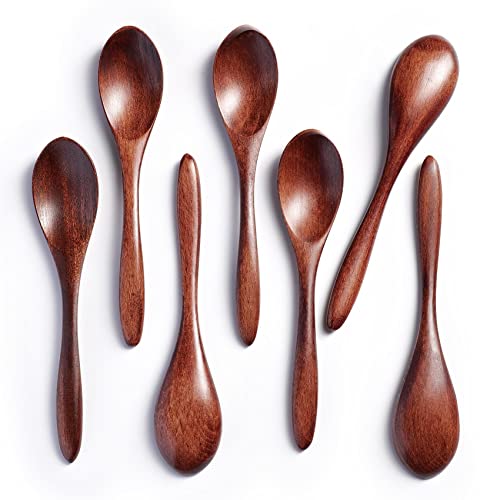
I always had questions in my mind while doing these processes. To erase these question marks, I did the first thing that comes to everyone’s mind. I found myself searching for how to disinfect wooden spoons on search engines because, let’s face it, wooden spoons deserve more attention than a quick rinse under warm water.

Before I start researching, I made a mistake and you should never do it. What should you not do? Do not boil wooden spoons. I made this mistake once and guess what? the wooden spoon cracked in the middle and my eyes filled with tears. I must say that I did a completely amateur move. As I warned, don’t do this.

Here’s what really works (and I promise, it’s not complicated).

The first thing we’ll do is grab some white vinegar. Vinegar is usually found at home, but if you don’t have any, you can order it from the store or take a stroll and pick some up 🙂 If you’re interested in cleaning and hygiene, you probably keep baking soda at home. We’ll need baking soda too.

Once you have the baking soda and vinegar ready, we can move on to the next step. Our next step will be to fill a bowl with equal parts white vinegar and warm water. An important detail: it should be warm water from the tap, not high-temperature water. In the next step, soak your wooden spoons in the water for about 5-10 minutes. It’s that simple. Due to its nature, vinegar is known as a natural antibacterial agent and won’t damage wooden spoons like boiling water would.

read more: Common Mistakes to Avoid When Using a Carbon Steel Wok: A Beginner’s Guide (edited)

After you’ve finished these steps, if your wooden spoons smell like vinegar, the next thing to do is rinse them thoroughly. After rinsing, leave them out to dry completely. I like to lean my spoon against the wall near the window – the sunlight also helps to kill any remaining bacteria (and it also makes me feel like I’m doing something Pinterest-worthy).

From time to time during the cleaning process, after disinfecting, I prefer to rub a little lemon juice on the spoon. I do this to get rid of the smell. This is entirely up to your preference. But it feels like you’re giving your spoon a mini spa day, you know?

Last Word For Me

Also, remember that wood is porous, which is both a blessing and a curse. It absorbs flavors and holds onto memories (I swear some of mine still smell like chili), but it also doesn’t love being oversaturated. So once you sanitize, let it dry thoroughly. No damp drawers. No stuffing it back in the utensil jar while it’s still wet.

So yeah, if someone asks you how to sanitize wooden spoons, you don’t need to break out the bleach or buy anything new. Just vinegar, hot water, a little patience, and maybe a lemon if you’re feeling fancy.

And honestly? They’ll last you years if you treat them right. Kind of like old friends. Wooden, soup-stirring friends.

See Flatware Sets on Amazon

Zero-Waste Dish Soaps: Are Solid Dish Bars Better Than Liquid?

Wait Solid Dish Soap? Yep, It’s a Thing.

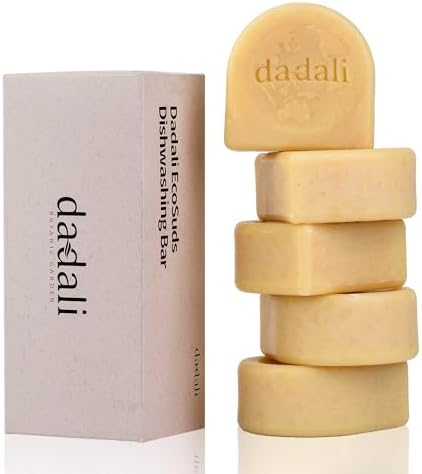
Okay, so when I first saw zero-waste dish soap, I thought… is this just some fancy soap pretending to be useful in the kitchen? I mean, we’re all used to the squeeze bottles, the foamy liquid, the over-the-sink routine. But the promise of “no plastic, no waste” made me both happy and curious. I was so curious, so I immediately went to the store and bought one—it came in a cute little cardboard box with a citrus scent—and decided to give this cute little boxed soap a try.

First Impressions: Texture, Smell, and The Weirdness Factor

The bar felt kind of like a mix between a bar of soap and a rock. Not gonna lie, it was a little awkward at first. You rub your sponge or brush directly onto it, and that’s how you lather. There’s a tiny learning curve. But the scent? Way better than expected. Light, natural, not at all fake or overpowering.

Oh and no plastic bottle sitting on my sink? That actually looked… nice. Cleaner. Simpler.

But Does It Clean?

Honestly? I was impressed. The one I tried cut through greasy plates like a champ. Not instantly like, I had to work it a bit more than usual but it absolutely did the job. It tackled dried sauce, oily pans, and even that annoying stuck-on rice crust. I did notice that if the bar sat in water, it got mushy fast so I started using a little soap dish with drainage. Problem solved.

Liquid vs. Solid: The Real Differences

Here’s where it gets interesting. With liquid dish soap, I’m guilty of squeezing way too much. It’s easy to overuse. With the solid bar, I used exactly what I needed. That felt good. Plus, the bar lasted longer than I thought it would. I’m not saying I’ll never go back to liquid—but it made me question how much waste I was creating with my old routine.

Zero-Waste: Just a Buzzword?

No. Not in this case. Most of these bars are made with biodegradable materials, come in compostable packaging, and ship with minimal supplies. If you’re trying to cut down on single-use plastic or just want your sink to look a little less messy, this is a win-win. You might be wondering, “So, is a zero-waste dish soap bar better than a liquid?” The answer to that question is simple: It depends on your habits. But in my experience? This isn’t just an ad. Try one out, and you might be surprised at how much you don’t miss the bottle.

Ingredients to Avoid in So-Called Green Dishwashing Liquids

Is Your “Green” Dish Soap Really That Green?

Let me guess you picked up a bottle with leaves on the label, maybe a soft green color scheme, and some buzzwords like “natural” or “eco-safe.” Looks trustworthy, right? I thought so too. But then I started reading the ingredient list and… wait, what even is methylisothiazolinone?

Yeah. Turns out, not all “green” dishwashing liquids are as clean as they claim.

First Detail to Pay Attention: Fragrance (and Not the Nice Kind)

If you see the word “fragrance” on the label just that, without any details it could mean you need to take a closer look at this product. That word could be hiding dozens of synthetic chemicals that need to be detailed. Some have been linked to skin irritation, and others… well, let’s just say they’re not exactly planet-friendly. Honestly, if a company is truly committed to clean ingredients, they’ll list what’s actually in the fragrance. That way, those who are sensitive to this issue can get more information on the labels. This is important. Readers are encouraged to pay attention to these details.

SLS and SLES: The Bubbly Offenders

Sodium Lauryl Sulfate and Sodium Laureth Sulfate aka SLS and SLES are super common in regular soaps because they foam like crazy. But “green” products still sneak them in sometimes. They can strip your skin’s natural oils and aren’t exactly gentle on aquatic life when they go down the drain. Just saying: bubbles aren’t everything.

Methylisothiazolinone (Say That Three Times Fast)

It sounds like something from a chemistry final, and that’s because… it basically is. This preservative is often used in “natural” products to give them a longer shelf life. But it’s known to cause allergic reactions and is a big no for people with sensitive skin. Plus, its name alone is enough to make me side-eye the bottle.

Dyes and Colorants Why, Though?

Look, I don’t need my dish soap to be bright blue or neon green. Do you? Artificial dyes might look fun, but they serve zero cleaning purpose and often come with environmental baggage. If it’s truly green, it doesn’t need to be flashy.

Vague Claims and “Greenwashing” Tricks

In some cases, what is more important than what is in the bottle; what information is missing from the product label are the details that need to be paid attention to. The absence of a certification logo, a lack of a full ingredient list, or fancy phrases like “eco-inspired” or “nature-powered” can all prevent you from understanding the details about the product. If you are serious about what you are buying, always check for certifications such as USDA Organic or EcoLogo. Checking for such details will ensure that you have the correct information about the product in question.


I learned this the hard way after a bottle that claimed to be “gentle and pure” made my hands itch for days. After my bad experience, I read the label in detail like a mystery novel. If you really want something clean, it is useful to be selective. Sometimes being selective and looking at the details can protect you from bad situations.

read more: Is Powder, Gel or Pod Better for Eco-Friendly Dishwashing?

So Many “Eco” Labels. What Do They Even Mean?

Alright, let’s be honest. Walking through the detergent aisle these days can feel like navigating a jungle of green leaves, recycled paper fonts, and buzzwords. Everything is “natural,” “non-toxic,” or “plant-based.” But what do those things really mean? If you’ve ever picked up a bottle and thought, “Wait, is this really eco-friendly or is it just a marketing ploy by companies to sell their products?” the same goes for that.

I used to buy any bottle with a leaf on it and an eco-friendly note on it, thinking that I was doing the best for myself, my family, the world, and nature, and that I was doing something good for nature and humanity. But over time (and a lot of foamy experimentation), I’ve come up with a few telltale signs that truly set eco-friendly dish soaps apart from the pretenders. I’m sharing these telltale signs with you in my upcoming article. If you have any suggestions or comments, please let me know in the comments. Let’s share what we know about the subject so that the world and humanity can be better 🙂 .

Start with the Ingredients List (Yes, Actually Read It)

It’s not the most thrilling task, I know. But flip that bottle over. Look for ingredients you can recognize—things like coconut-derived surfactants, citric acid, or baking soda. Avoid stuff like SLS, synthetic fragrances, or anything ending in “-ethoxylate” (they’re not great for waterways or your skin). If it sounds like a chemistry lab explosion, maybe skip it.

Oh, and if the label just says “plant-based ingredients” without specifics? Red flag.

Look for Certifications But the Real Ones

Not all certifications are created equal. The ones that actually matter? Think USDA Organic, EcoCert, or EWG Verified. These aren’t just slapped on by the brand they require proof. If you see something like “eco-tested” or “green approved” with no backing organization? Probably just clever branding.


Packaging Isn’t Just a Bonus

We all love a cute bottle, sure. But is it recyclable? Made from post-consumer plastic? Better yet—does the brand offer refills or bulk options? One of my favorites comes in a compostable pouch. It’s such a little thing, but it makes a difference.


Performance Still Matters

Listen, I’ve tried some “eco” dish soaps that smelled amazing but left my plates kinda… not clean. Don’t be afraid to test a few and see which one actually cuts grease. Bonus if it’s gentle on your hands too my skin thanks me for skipping the harsh stuff.


Trust Your Gut (And Maybe Some Reviews)

Sometimes you just get a vibe. If the branding feels overly performative like, why is this dish soap trying to save the rainforest and hug puppies at the same time? Take a step back. Check real user reviews. People will tell you quickly if a product is greenwashing or the real deal.


Choosing an eco-friendly dishwashing detergent shouldn’t feel like solving a mystery or launching a rocket into space. With enough research and a little knowledge, you can spot the good details and skip the unnecessary. This will make you feel good about your dishes as they get clean. In addition to being happy, your dishes, your skin, and our planet will benefit from it.

So, Do These Plant-Based Dish Soaps Actually Work?

Let’s be real when I first saw a plant-based dish soap on the shelf, I wasn’t sure what to expect. I mean, a soap made from plants? Would this really be able to handle last night’s oily pan of lasagna? Questions like these were always on my mind. But I was trying to make small changes to my home that would be more sustainable, and dish soap seemed like an easy place to start.

What Even Is a Plant-Based Dishwashing Liquid?

Essentially, it’s a soap made with natural ingredients (like coconut or corn-derived surfactants) instead of synthetic chemicals. And as most people who’ve done their research know, it’s free of dyes, artificial fragrances, and ingredients like SLS or parabens. Sounds good on paper, right? But this is where things get interesting.

Let’s Talk Cleaning Power

I tested several popular eco-friendly brands. And I got some results that surprised me. I think you will be surprised too. Some brands that I don’t want to mention right now (so as not to advertise 🙂 ) were not weak at all, contrary to what I expected. In fact, the good ones cut fats as well as my regular brand. One in particular made quick work of a greasy wok (you know how stubborn these things can be!). I must say that I was surprised by how much it exceeded my expectations. I still found that I needed to use a bit more product with one brand but considering the gentler formula, I accepted the trade-off.

Scent and Feel: Not Just About Performance

One thing I’ve loved? The scents. Instead of that overpowering lemon-chemical punch, I got hints of lavender, mint, and even eucalyptus. Way more pleasant. Also my hands! With conventional soaps, I’d often feel the dryness after a few washes. With the plant-based ones? Much gentler. No post-wash tightness or itchiness.

The Environmental Angle

This is where plant based dishwashing liquids truly shine. Most come in recyclable bottles, some offer refills, and many are greywater-safe. If you’re trying to cut back on plastic or reduce your chemical footprint, they’re a win.

Any Downsides?

Honestly? A few brands didn’t perform well. Thin texture, weak on grease. But once I found the right one, I didn’t feel like I was sacrificing anything.

Would I recommend making the switch? Definitely. You might go through a little trial and error to find your favorite, but once you do, it feels good knowing your dishes and your planet are being taken care of.

read more: Zero-Waste Dish Soaps: Are Solid Dish Bars Better Than Liquid?

What Makes a Dishwashing Liquid Truly ‘Non-Toxic’?

What does “non-toxic” actually mean? If you are curious, I invite you to read the article.

I’ll be honest I used to just grab whatever dish soap was on sale. Citrus scent? Great. “Triple action grease fighter”? Sold. But after my hands started feeling like sandpaper and I read a few too many horror stories about what goes into some of these products, I started to wonder: what exactly am I putting on my dishes and down the drain?

Turns out, “non-toxic” isn’t just a feel-good label. It actually means something… or at least it should.


So, What’s Hiding in Regular Dishwashing Liquids?

Let’s start here, because the truth is, most conventional dish soaps are loaded with stuff you wouldn’t knowingly use on your skin, let alone on the plates your toddler eats off of.

We’re talking about things like:

  • Sodium lauryl sulfate (SLS) – effective cleaner, but also a known skin irritant.
  • Artificial fragrances – often proprietary, which means companies don’t have to tell you what’s actually in them.
  • Colorants and dyes – unnecessary and potentially irritating.
  • Preservatives like methylisothiazolinone – sounds like a sci-fi villain and, surprise, it’s a common allergen.

I mean, who knew washing dishes came with a chemistry lesson?


The “Non-Toxic” Label: Not Always What It Seems

Here’s the kicker: there’s no universal standard for what qualifies as “non-toxic.” Some brands throw the term around like confetti without much to back it up. That’s why I started flipping bottles around and actually reading the ingredients (yes, I’ve become that person in the aisle).

Truly non-toxic dishwashing liquids usually:

  • Skip synthetic fragrances entirely or use essential oils in small amounts.
  • Use plant-based surfactants instead of petroleum-derived ones.
  • Avoid known allergens and hormone disruptors.
  • Are biodegradable and greywater safe (because what goes down your sink ends up somewhere).

But Does It Actually Work?

Let me tell you some natural brands left me disappointed. Bubbles disappeared in seconds, grease clung to pans like it was on strike, and I started wondering if “eco” was just code for “ineffective.”

But I didn’t give up.

Eventually, I found a few non-toxic dishwashing liquids that were game changers. One brand, for example, uses coconut-derived surfactants and enzymes that somehow make grease disappear faster than the synthetic stuff ever did. Plus, my hands weren’t crying for lotion afterward. Win-win.

Real Talk: What Should You Look for on the Label?

If you don’t want to memorize the periodic table just to pick a dish soap, I get it. Here are a few quick tips I now swear by:

  • Short ingredient lists are usually better.
  • No artificial fragrance—look for “unscented” or essential oils.
  • Certifications like EWG Verified, USDA Organic, or EPA Safer Choice can be helpful, but not foolproof.
  • pH balanced—especially if your hands are sensitive like mine.

And one bonus tip? If it smells like a perfume aisle exploded, maybe keep walking.


As I come to the end of my article

Choosing a non-toxic dish soap isn’t about chasing perfection. It’s about making a safer, smarter choice for your home and the environment. And honestly, once you find one that works, you won’t look back.

In these times when artificial intelligence is so advanced, I expect dishes to be washed too 🙂

read more: What Exactly Makes a Dishwasher Detergent Truly Green?

Classic Meals

- Advertisement -