Home Blog Page 56

How to Identify a High-Quality Wok: Expert Buyer’s Guide

When purchasing a wok, spending money on a good one can be the difference between a frustrating cooking experience and a lifetime of good meals. With so many on the market, aiming for the right one can be intimidating. Here’s what you need to know about what truly makes a wok great so you can make a valuable investment.

1. Material Matters

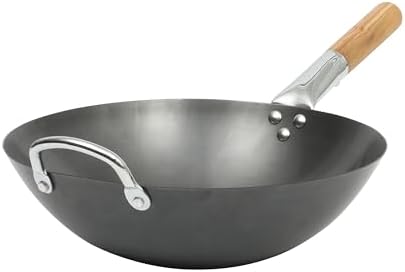
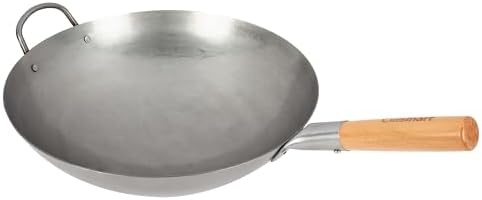
The most important and foremost thing regarding a wok is the material. The most common materials are stainless steel, cast iron, and carbon steel. Among all these, professional cooks prefer to use carbon steel since it gets heated quickly and has extremely responsive temperature control. A quality carbon steel wok will be 1.5–2mm thick, which is the perfect compromise between durability and ease of handling.

Avoid very thin woks they warp and heat unevenly. Woks that are too thick, on the other hand, can be too slow to heat, sacrificing responsiveness.

2. Surface Finish and Seasoning Potential

The ideal wok will have a smooth or minimally textured surface. Factory pre seasoned (black steel) woks can be convenient, but a raw carbon steel wok can be seasoned by you for a more natural non stick coating.

Seek out woks with no artificial coatings. Non stick woks are a breeze to clean but are less durable and can’t be heated to the high heat levels something essential for actual stir frying.

Read article: Things to Consider When Choosing a Wok: Features and Tips for Buying the Perfect Wok

3. Handle Design and Comfort

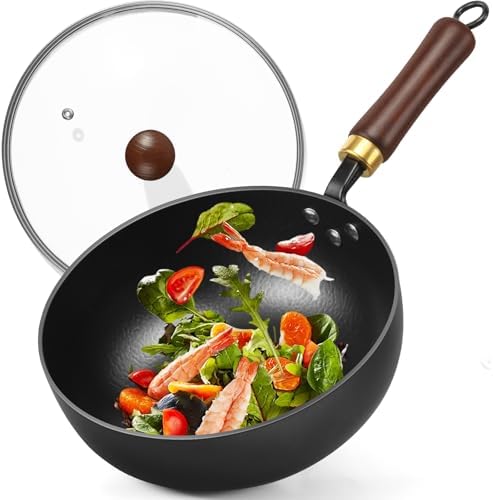
Handles may seem like an afterthought, but they matter. Woks with a long wooden or heat resistant handle (and an optional loop handle on the opposite side) are perfect. They offer better grip, control, and safety, especially when tossing ingredients.

A rivetless design is not only easier to clean but also more durable. Woks with awkwardly or loosely attached handles are not only annoying but also unsafe.

4. Base Shape and Compatibility

The classic round bottom wok is perfect for traditional stir frying over a gas flame, but if you use an electric or induction stove, opt for a flat bottom wok with an induction friendly bottom.

A high quality wok will be balanced properly so it doesn’t wobble or tilt when set on a burner.

5. Brand Reputation and Customer Feedback

Buying a wok from a reputable brand increases your chances of getting a high performing tool. Look for brands that have a track record among home cooks and professionals. Read verified customer reviews to understand durability, performance, and any common issues.

Brands such as Craft Wok, Joyce Chen, and Yosukata are recommended time and time again for a reason. These brands tend to have great quality control and customer service.

6. Price vs. Value

You don’t have to break the bank to get a high quality wok, but be suspicious of super budget brands. They tend to cut corners on materials or manufacturing. Plan on spending $30–$80 for a good wok that can be expected to last decades with proper maintenance.

Conclusion: Understanding Materials

Choosing a good wok is a matter of understanding materials, design, and your cooking setup. Do not just grab the cheapest one off the shelf. Instead, use this guide to gauge your needs and choose a wok that will last you a long while.

The correct wok investment can turn your stir fries, curries, and more into restaurant quality meals right out of your kitchen.n.

Flat Bottom vs. Round Bottom Woks: Which One Should You Choose?

When you are buying a wok, one of the first decisions you will have to make is whether to get a round bottom or a flat bottom model. This small choice will have a significant impact on how your wok will perform in your kitchen. Each style has its own advantages, and understanding the difference will enable you to select the most appropriate wok for your cooking style and stovetop setup.

Understanding Wok Bottom Designs

A round bottom wok is the traditional option in Chinese cuisine. It is meant to be used with open flames and enables heat to be evenly distributed throughout the entire surface. Stir frying, which is the most typical application of a wok, is highly benefited by this feature. The curved nature of the wok makes tossing ingredients evenly and fast very simple.

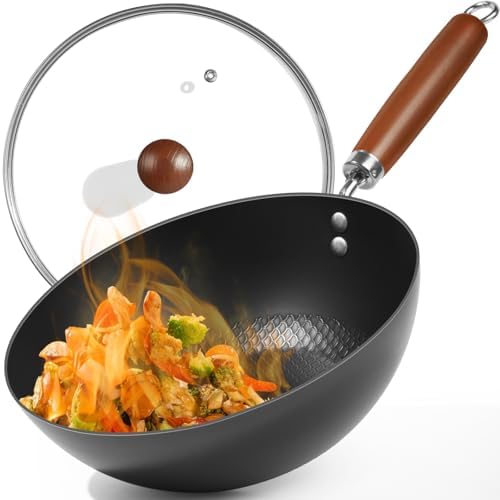
On the other hand, a flat bottom wok is a modern design developed for Western kitchens, specifically for electric or induction stovetops. The flat bottom allows more direct contact with the heating element, which improves temperature control and stability. These woks still have high, sloping sides, which maintain the ability to stir fry perfectly, while the flat bottom adds functional compatibility with most stoves.

Cooking Performance Overview

  • Heat Distribution: Round bottom woks win here. The uniform curve distributes heat more efficiently, especially on a gas fire, where the flame can wrap around the wok. Flat bottom woks present a reduced heated surface, and this can result in uneven cooking if not closely monitored.
  • Stability: Flat bottom woks are inherently more stable. On electric or glass top ranges, round bottom woks typically require a wok ring to hold them. They may wobble or tip with or without a ring. A flat bottom sits securely on any surface without extra equipment.
  • Versatility: If you’re cooking on a standard Western kitchen stove, a flat bottom wok is more versatile. It will perform well on electric, gas, and induction cooktops without any issues. Round bottom woks, while ideal for traditional stir frying, are usually limited to gas stoves and may not sit flat without modification.
  • Ease of Use: New users may find flat bottom woks easier to use since they are stable. Round bottomed woks call for greater experience in tossing techniques and heat regulation, which may deter new users.

Material and Handle Considerations

Independent of bottom shape, both types of woks come in carbon steel, the professional chefs’ material of choice for its fast heating and non stick seasoning capabilities. In deciding, also look for handle style: a long handle provides increased control for tossing, while loop handles allow for added grip and balance, particularly for heavier woks.

Maintenance and Care

Both round and flat bottom woks must be seasoned and maintained. Both their functionality and lifespan depend on how well they are cared for. Never use abrasive soaps, dry immediately after washing, and apply a thin coat of oil to store.

Which is Right for You?

Choose a round bottom wok if you:

  • Cook with a gas stove.
  • Want the most authentic wok cooking experience.
  • Don’t mind using a wok ring.

Choose a flat bottom wok if you:

  • Use electric, glass, or induction stovetops.
  • Prefer a more stable and beginner friendly tool.
  • Don’t wish to use additional accessories like wok rings.

Before making your choice

Although the round bottom wok may be sworn to by traditionalists, modern kitchens just need a more practical option and that’s where the flat bottom comes in. Take your stovetop type, cooking method, and personal comfort level into consideration before making your choice. With the right bottom shape, your wok cooking will be safer, more efficient, and a whole lot more fun.shape, your wok cooking will be safer, more efficient, and far more enjoyable.

Why Coffee Bean Origin Matters: The Influence of Terroir on Taste

Did you ever notice “Ethiopia,” “Colombia,” or “Sumatra” printed on a bag of coffee and wonder if it made a difference? If so, you’re tapping into one of the most distinctive aspects of coffee flavor where it’s from. And surprisingly, the source of the coffee bean plays a huge role in what your cup tastes like. To understand why, let’s talk about a word borrowed from the wine world: terroir.

What Is Terroir in Coffee?

Simply stated, terroir refers to the totality of environmental conditions that influence how a crop will grow. These include:

  • Soil type
  • Altitude
  • Climate
  • Rainfall
  • Sunlight exposure

In coffee, terroir can also have a profound effect on the flavor of the bean. For instance, it can determine the acidity level, the aroma, and even the body or mouthfeel of the coffee. This is to say that the same coffee varietal may taste dramatically different depending on where it’s grown.

related article: How Altitude Affects Coffee Flavor

Notable Coffee Regions and Their Unique Characters

Sourced from different locations are beans with specific taste characters. Let’s take a quick tour around the world:

  • Ethiopia: As the birthplace of coffee, Ethiopia offers beans with bright acidity and floral, fruity flavors. Both washed and natural processes highlight the bean’s complexity.
  • Colombia: With its stable climate and high altitudes, Colombia produces beans that are reminiscent for balance, caramel sweetness, and medium body.
  • Kenya: Daring acidity and berry undertones may be what you’re in the mood for from Kenyan coffee. It’s rich and often wine like.
  • Brazil: As the biggest coffee producer in the world, Brazil offers beans that are generally low acid, with nutty, chocolatey tastes. These make excellent espresso.
  • Sumatra (Indonesia): Renowned for its wet hulling process, Sumatra produces full bodied, earthy coffees with herbal and spicy overtones.

By understanding the qualities of each origin, you can make better choices and refine your own palate.

How to Choose Coffee by Origin

Origin selection of coffee is a fun and challenging task. Here’s where to start:

  • If you prefer light, fruity flavors, try Ethiopian or Kenyan beans.
  • For rich, chocolatey brews, choose Brazilian or Guatemalan coffee.
  • If you prefer full bodied, earthy coffee, Indonesian beans like those from Sumatra won’t let you down.
  • Looking for balance and versatility? Go with Colombian beans any day.

And tasting single origin coffees side by side can be a great way to discover what you enjoy most.

What We Recommend

As you begin to explore origins, try using the following tools:

  • Single Origin Sampler Packs: Sold by specialty roasters such as Atlas Coffee Club or Trade Coffee. These provide a carefully selected taste of several regions.
  • Monthly Subscriptions: Rotating coffees between various countries train your palate with time.
  • Flavor Maps or Journals: Record your tasting notes to find patterns within your preferences.

All these aids not only broaden your experience but also turn your coffee ritual more deliberate and enjoyable.

Final Thoughts: Word it’s a story

Origin is not just a word it’s a story written in the earth, weather, and terrain where your beans were born. In learning the coffee bean origin, you not only expand the horizon of your palate but also gain a deeper understanding of the craftsmanship in every cup. So brew intelligently the next time, take a second to think about where those beans started it might change how you like your coffee.

Coffee Accessories on Amazon

Do Coffee Beans Really Expire? Myths vs. Facts

With coffee beans, freshness is key. But what actually is “expired” with coffee, and are beans actually bad after expiration? This piece of writing puts the facts straight on myth-busting expired coffee and gives you the facts to enjoy better coffee at home.

Understanding “Expiration” for Coffee Beans

Coffee beans don’t spoil like milk and meat do, but they do degrade. The oils and aroma molecules that give the characteristic flavor to coffee begin degrading, especially once the beans are exposed to air, sunlight, or water. While you most likely won’t get sick from stale beans, you will notice a flat or stale taste.

Nearly every coffee bag now carries a “best by” date rather than a true expiration. The reason for this is that the flavor of the bean reaches its peak in a particular time period typically two to four weeks after it’s roasted.

Familiar Myths Shattered

Myth 1: Coffee Beans Never Expire

Although they don’t go bad, coffee beans merely fade away. Drinking coffee made from stale beans can be safe but won’t be pleasant.

Myth 2: Freezing Beans Keeps Them Fresh Forever

Freezing will help keep beans fresh, but it has to be done right. Regular thawing and refreezing can lead to condensation and loss of flavor. Vacuum sealed, portion style freezing is preferred.

Myth 3: Darker Roasts Stay Fresh Longer

Dark roasts are presumed to stay fresher due to surface oils. In fact, the same oils can make the oxidation continue more quickly, so dark roasts staleness sets in before light roasts.

How to Know if Your Coffee Beans Are Too Old

There are several signs to check for:

  • Loss of scent: Fresh beans smell aromatic. If your beans smell flat or stale, they’re too old.
  • Unpalatable bitterness or unimpressive blandness: Stale beans brew up a cup that’s either unpalatably bitter or unimpressively bland.
  • Visual clues: Beans that look dry, cracked, or overly oily may be too old.

How to Keep Coffee Bean Freshness Alive

  • Store beans in a dark tinted, sealed container.
  • Store them in a dry, cool place—away from sunlight and heat.
  • Buy smaller quantities frequently to have constant freshness.
  • If you’re freezing, divide small portions and vacuum seal them.

What We Recommend

If home baristas are committed to freshness, we recommend investing in:

  • Airtight Coffee Storage Containers: Like Fellow Atmos or Coffee Gator.
  • Vacuum Sealers: Ideal for freezing in small batches.
  • Freshness Valve Bags: When buying in bulk, move into one way valve bags.

If you’ve ever brewed coffee that didn’t quite taste right, your beans are probably shouting at you. Store them properly and uphold the traditions, and you’ll be able to keep that rich, full flavor hanging around for a while longer.

Coffee Accessories on Amazon

How Processing Methods Affect Coffee Flavor: Washed vs Natural vs Honey

Coffee Processing Methods Guide

When you drink coffee, you’re not only tasting the bean, you’re tasting the history of how it was processed. Coffee beans don’t go straight from tree to bag. They go through a critical processing method that decides their final flavor.

Let’s talk about the three most common methods: washed, natural, and honey.

Washed (Wet) Process

This process removes the outer fruit of the coffee cherry before drying the bean. The result? A bright, clean taste that highlights the bean’s inherent qualities.

  • Flavor Profile: Bright acidity, high clarity, floral or citrus flavor
  • Best For: Pourover, Chemex, and other methods that prioritize clarity
  • Popular Origins: Colombia, Ethiopia, Kenya

Natural (Dry) Process

Beans are dried with fruit left intact, so sugars have something to infuse during drying. This gives the coffee a fruitier and heavier body.

  • Flavor Profile: Jammy, winey with berry or tropical fruit flavors
  • Best For: Espresso or immersion brews like French press
  • Popular Origins: Ethiopia, Brazil

Honey Process

A blended process with some of the fruit mucilage left intact on the bean as it is dried. It blends the cleanliness of washed coffee with body of natural coffee.

  • Flavor Profile: Balanced, sweet, syrupy with soft acidity
  • Best For: Versatile, suited to use with most brewing methods
  • Popular Origins: Costa Rica, El Salvador

Why It Is Important for Home Baristas

Choosing beans based on processing method provides you with the ability to tailor your brew to your taste.

  • Crisp and clean like your cup? Go washed.
  • Sweet and rich coffee you need? Enjoy natural.
  • Balance and depth seeking? Honey might be your match.

What We Recommend

  • Sample Packs by Process: Taste one of each sidebyside for comparison.
  • ProcessLabeled Bags: Buy origin and process details.
  • Try it with different Brew Methods: Some processes shine with certain methods.
Coffee Accessories on Amazon

How Origin Affects Coffee Flavor: Understanding Terroir

Coffee Terroir Guide

Have you ever wondered why Ethiopian coffee tastes floral, while Sumatran beans are bold and earthy? The reason lies in the concept of terroir, a term borrowed from wine that explains how geography, climate, and agricultural practices leave their mark on a coffee bean’s final flavor. Understanding this can transform the way you shop for coffee.

What Is Terroir in Coffee?

Terroir is the cumulative environmental factors that define the taste of agricultural produce. In coffee, terroir includes:

Altitude

Higher altitude slows the maturation of beans, which makes them more complex and acidic in flavor.

https://youtu.be/zCwfRNyoZWo

Soil Composition

Volcanic soil in places like Guatemala or Hawaii provides the coffee with a richness in minerals through the soil.

Climate and Rainfall

Balanced rainfall and temperatures make for healthy coffee cherries, while drought or extreme heat can result in irregularities.

Processing Traditions

The region’s processing approach (washed, natural, or honey) also contributes to flavor but is generally included in regional identity.

Primary Coffee Regions and Their Flavor Profiles

Ethiopia

Vivid acidity and floral, tealike flavors, especially in Yirgacheffe coffees.

Colombia

Wellbalanced flavor with caramel sweetness and nutty notes.

Brazil

Chocolatey, lowacidity, fullbodied coffees, ideal for espresso blends.

Sumatra

Earthy, spicy, and syrupy due to wethulling processing and climate.

Kenya

Vibrant acidity, berry notes, and juicy body due to highaltitude growing.

Why This Matters for Home Brewers

It’s not coffee snobbery to be aware of where your beans are from. It enables you to:

  • Select beans that match your taste preferences.
  • Experiment with different flavor profiles without buying a whole bag.
  • Understand why two medium roasts can taste utterly different.

What We Recommend

  • SingleOrigin Starter Pack: Taste curated selections from multiple regions to discover terroir for yourself.
  • RegionLabeled Whole Beans: Look for origin information on packaging to make knowledgeable choices.
  • Coffee Subscription Services: Some offer rotating selections by regions, ideal for learning through tasting.
Coffee Accessories on Amazon

Classic Meals

- Advertisement -