Home Blog Page 39

Can You Use a Wok on a Glass Top Stove?

Glass top stoves are sleek, modern, and easy to clean but they come with limitations, especially when it comes to cookware. If you’re a stir-fry enthusiast or considering buying a wok, you might wonder: Can I safely use a wok on my glass top stove? The answer is yes but only if you choose the right wok and follow a few precautions.
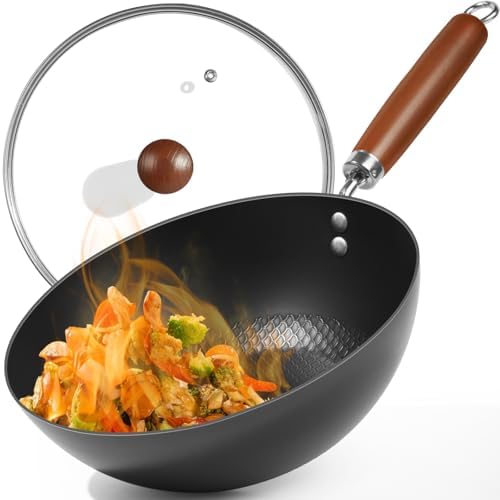
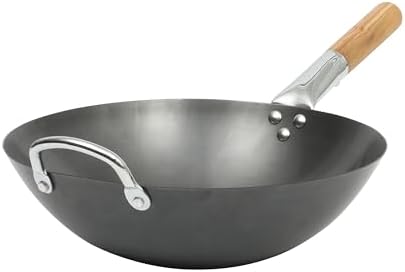
🔍 Challenges of Using Woks on Glass Tops

Glass cooktops are flat and fragile compared to gas burners. Traditional round-bottom woks don’t sit securely and may wobble or scratch the surface. Their concentrated heat can also cause hot spots that damage the glass.

Additionally, excessive weight or aggressive cooking (like tossing ingredients) can crack or scratch the cooktop.

🥘 Which Woks Are Suitable?

To cook safely and effectively on a glass top stove, look for the following wok features:

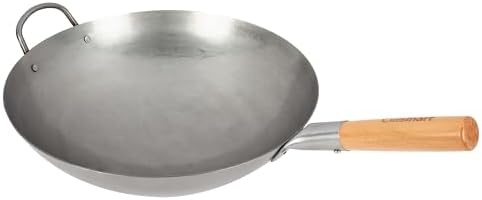
  • Flat-bottom design: Ensures stable contact with the cooktop
  • Smooth, flat base: Prevents scratches and distributes heat evenly
  • Medium weight: Avoid extremely heavy cast iron models that could damage the glass
  • Induction-compatible (optional): If your stove supports it

✅ Recommended Wok Materials for Glass Tops

  1. Carbon Steel (Flat Bottom)
    • Lightweight and responsive
    • Develops natural non-stick surface with seasoning
    • Smooth base options available
  2. Stainless Steel (Tri-Ply Base)
    • Stable and compatible with all stovetops
    • Less prone to warping
    • Easy maintenance
  3. Non-Stick Woks with Flat Base
    • Easy to use and clean
    • Gentle on glass tops
    • Ideal for beginners

⚠ Avoid using:

🔧 Tips for Safe Use

  • Lift, don’t drag the wok across the glass surface.
  • Avoid high heat initially, especially with carbon steel.
  • Use silicone or wooden utensils to protect both the wok and the glass.
  • Clean both surfaces regularly to avoid abrasive particles scratching the cooktop.

🧼 Maintenance Note

Wipe the wok’s bottom clean before placing it on the glass top. Burnt oil or seasoning on the base can stain or damage the glass. After each use, let both the wok and cooktop cool before cleaning.

Choose a flat-bottom wok

Yes, you can use a wok on a glass top stove provided it’s the right kind. Choose a flat-bottom wok made from a glass-safe material like carbon steel or stainless steel. With the right care, you’ll enjoy the benefits of wok cooking without compromising your cooktop’s integrity.

Best Woks for Induction Cooktops: Buyer’s Guide

Cooking with an induction cooktop offers precision and energy efficiency, but it also limits your cookware choices. Woks, especially traditional round-bottom models, don’t always pair well with induction burners. Luckily, several modern wok designs have emerged to fill this gap ensuring that home cooks don’t miss out on the benefits of wok cooking, even on induction stovetops.

🔍 What Makes a Wok Induction-Compatible?

Induction cooktops require magnetic cookware, meaning the base of the wok must be made of ferrous metal. Flat-bottomed designs work best, as they maintain consistent contact with the stovetop surface.

Key features to look for:

  • Magnetic stainless steel or carbon steel base
  • Flat bottom for surface contact
  • Even heat distribution
  • Appropriate size for your burner

Related article: Things to Consider When Choosing a Wok: Features and Tips for Buying the Perfect Wok

⭐ Top Induction-Compatible Wok Picks for 2025

  1. Lodge 14-Inch Cast Iron Wok
    • Heavy-duty, induction-compatible base
    • Excellent heat retention
    • Pre-seasoned for natural non-stick performance
    • Ideal for stir-frying and searing
  2. Made In Blue Carbon Steel Wok
    • Works flawlessly on induction
    • Lightweight yet durable
    • Pre-seasoned and designed for daily use
    • Flat bottom, heats evenly across surface
  3. HexClad Hybrid Wok
    • Combines stainless steel and non-stick surfaces
    • Compatible with all cooktops including induction
    • Modern aesthetic with ergonomic handles
    • Dishwasher safe and scratch-resistant
  4. Craft Wok Induction-Ready Flat Bottom Wok
    • Carbon steel construction
    • Flat base specifically designed for induction cooktops
    • Ideal for home chefs seeking a traditional feel with modern compatibility

🛠 Tips for Using Woks on Induction Cooktops

  • Preheat gradually: Induction heats fast start on medium to avoid warping.
  • Avoid round-bottom woks unless using an induction-compatible wok ring.
  • Season properly if using carbon steel for non-stick performance.
  • Use appropriate utensils to avoid scratching modern coatings.

With durable construction

Finding the right wok for an induction cooktop used to be a challenge, but 2025 brings a wide range of excellent options. With durable construction, magnetic bases, and innovative designs, today’s induction-friendly woks deliver both tradition and technology in one pan.

Whether you’re stir-frying, deep-frying, or steaming, these woks ensure you won’t have to sacrifice versatility or performance.

Flat Bottom vs. Round Bottom Woks: Which One Is Right for You?

Choosing between a flat bottom and a round bottom wok is one of the first and most important decisions when buying a wok. While both types are designed for high-heat cooking and stir-frying, the shape of the base can significantly affect performance, heat distribution, and compatibility with your stovetop.

🔄 What’s the Difference?

The difference is exactly what it sounds like flat bottom woks have a stable, flat base that sits directly on your burner, while round bottom woks have a curved base that traditionally sits inside a wok ring.

Flat Bottom Woks:

  • Designed to work with electric, induction, and flat glass stovetops.
  • Offers more direct contact with the heat source.
  • Easier to balance and use without additional accessories.
  • Slightly reduced heat circulation compared to round bottoms.

Round Bottom Woks:

  • Traditionally used in Asian kitchens, especially with gas burners.
  • Better suited for true stir-fry techniques that require tossing.
  • Encourages natural heat circulation due to the curved shape.
  • Requires a wok ring on most modern stovetops for stability.

🔥 Cooking Performance

A round bottom wok excels in distributing heat evenly and is ideal for high-flame, high-speed cooking. It’s a favorite among chefs because ingredients naturally fall back to the center, making tossing easier. The concave shape helps oil and sauces gather in the middle, ideal for deep-frying or simmering.

Flat bottom woks, on the other hand, can still perform very well especially on modern cooktops where round bottoms just don’t sit properly. Their advantage lies in practicality and stability, not authenticity.

🏠 Which One Should You Choose?

Choose a Flat Bottom Wok if:

Choose a Round Bottom Wok if:

  • You use a gas stove with open flames.
  • You want a more authentic, traditional wok cooking experience.
  • You’re comfortable using a wok ring or have a built-in wok burner.

The best wok for you

There’s no one-size-fits-all answer. The best wok for you depends on your stovetop and cooking habits. For most Western kitchens, flat bottom woks are more practical. But if you’re aiming for restaurant-style stir-fries and have a gas range, round bottom woks may offer better performance.

Flat Bottom vs. Round Bottom Woks: Which One Should You Buy?

When it comes to buying a wok, the shape of the base plays a critical role. The two most common types flat bottom and round bottom woks each have their own strengths and ideal use cases. But which one is right for your cooking style and kitchen setup?

Let’s explore the key differences between these two wok types, their pros and cons, and the best scenarios for each. Whether you’re a casual home cook or an aspiring stir-fry master, this guide will help you make an informed choice.

Why Wok Shape Matters

The bottom shape affects how heat is distributed and how easily ingredients can be tossed or stirred. Woks are designed for high-heat, fast cooking, and the right shape ensures even cooking and better control. Choosing the wrong bottom type for your stove or cooking technique can lead to poor performance and frustration in the kitchen.


🔵 Round Bottom Woks: The Traditional Choice

Round bottom woks are the original design, used for centuries in Chinese cooking. They offer excellent heat distribution because the flame wraps around the curved surface evenly. This is ideal for stir-frying, searing, and sautéing with minimal oil.

read more : Electric Woks: A Convenient Option for Modern Kitchens

Pros:

  • Superior heat circulation
  • Great for tossing ingredients with ease
  • Traditional aesthetic and feel

Cons:

  • Requires a wok ring on flat stovetops
  • Not compatible with glass, ceramic, or induction cooktops

Round bottom woks are best suited for gas stoves and for those who enjoy a more authentic cooking experience. However, using them on flat surfaces without a stabilizer may result in uneven cooking and potential safety hazards.


🟢 Flat Bottom Woks: Modern Compatibility

Flat bottom woks are a more recent adaptation, created for Western kitchens. They are specifically designed to sit flat on electric, glass, and induction stovetops without the need for additional accessories.

Pros:

  • Works well on all stovetops, including induction
  • More stable and user-friendly
  • No need for a wok ring

Cons:

  • Slightly reduced heat circulation compared to round bottoms
  • Stir-frying may feel less fluid for traditional techniques

Flat bottom woks are ideal for beginners or home cooks with modern kitchen setups. They make wok cooking accessible and practical for most users.

🆚 Key Comparison at a Glance

FeatureRound Bottom WokFlat Bottom Wok
Heat DistributionExcellent (gas stoves)Good (varies by stove)
CompatibilityGas only (with ring)All stovetops
Cooking ControlHigh for tossingStable for general use
Authentic Feel
Beginner-Friendly

Which One Should You Buy?

If you’re cooking on a gas stove and want the most authentic experience, the round bottom wok offers the best performance. However, for home cooks using electric or induction cooktops, a flat bottom wok is the smarter, safer choice.

Before making a purchase, consider your stovetop type, cooking habits, and desired versatility. Also, make sure to pair your wok with the right utensils and lid many sellers bundle these in affiliate-friendly packages.

How Coffee Flavor Wheels Help You Taste Like a Pro

If you’ve ever felt lost trying to describe the flavors in your coffee, you’re not alone. Most home baristas can recognize a good cup, but putting the experience into words? That’s where the coffee flavor wheel comes in.

This colorful, flower-like chart isn’t just for professionals it’s an essential tool for anyone who wants to taste coffee with more confidence and clarity.

What Is the Coffee Flavor Wheel?

The coffee flavor wheel is a visual guide that maps out the wide range of flavors and aromas found in coffee. It was first developed by the Specialty Coffee Association (SCA) and World Coffee Research as a way to help cuppers, roasters, and baristas communicate taste more precisely.

It starts with broad categories like fruity or roasted, then branches into specific descriptors like peach, almond, or burnt sugar.

How to Read It

The wheel is designed to work from the inside out:

  1. Start at the center with general categories like sweet, sour, or nutty.
  2. Move outward as you pinpoint more specific flavors (e.g., sour → citrus → grapefruit).
  3. Use it after a tasting, when you’re trying to describe what you experienced.

You don’t need to get every detail right. The wheel is a tool for discovery, not a test.


Why It Matters

You might wonder: “Do I really need this to enjoy my morning brew?”

If you’re just starting out, maybe not. But if you’re aiming to refine your palate, the coffee flavor wheel can:

  • Train your senses: It helps you focus on subtle flavors you might otherwise overlook.
  • Sharpen your memory: Repeated use builds a flavor vocabulary you can rely on.
  • Guide your purchases: Recognizing your preferred profiles makes it easier to find coffees you’ll love.

Practical Tips for Using the Coffee Flavor Wheel

Here’s how to get the most from it:

  • Taste with focus: Sip your coffee slowly and ask yourself what you’re noticing.
  • Compare multiple coffees: Tasting side by side brings differences into sharper relief.
  • Use your nose: Smell plays a huge role in flavor perception. Swirl, sniff, then sip.
  • Keep notes: Write down your impressions and check them against the wheel.

Over time, you’ll begin recognizing patterns maybe you gravitate toward floral Ethiopians or nutty Latin American roasts.

What We Recommend

To support your flavor exploration, here are some helpful tools:

  • Tasting journals: Great for recording your notes and building flavor memory.
  • Cupping spoons and bowls: Useful for more formal tasting sessions.
  • A printed flavor wheel: Keep one near your brew station for quick reference.

It’s a practica

The coffee flavor wheel isn’t just a fancy chart for professionals it’s a practical, approachable guide for anyone curious about flavor. Whether you’re exploring coffee for the first time or leveling up your tasting skills, this tool will deepen your appreciation of every cup.

So grab your favorite beans, take a slow sip, and let the wheel guide you to a new understanding of coffee.

Are Coffee Tasting Notes Real or Just Marketing?

If you’ve ever browsed coffee bags or specialty roaster websites, you’ve likely seen tasting notes like dark chocolate, stone fruit, or even hint of jasmine. But how accurate are these descriptions? Are they just fancy marketing terms, or do they actually reflect something real in your cup?

Let’s break down what tasting notes really mean and how you, as a home brewer, should approach them.

What Are Coffee Tasting Notes?

Tasting notes are descriptive terms used to explain the flavors perceived in a particular coffee. They are not ingredients added to the beans but rather natural flavor compounds that develop during growth, processing, roasting, and brewing.

These notes can range from simple terms like nutty or citrusy to more complex profiles such as blueberry muffin or toasted almond. They are similar to wine tasting descriptors subjective, but based on sensory perception.

Where Do These Flavors Come From?

Coffee’s flavor is affected by multiple factors:

  • Bean variety: Arabica beans generally have more nuanced flavors than Robusta.
  • Terroir: Altitude, soil, and climate all shape flavor development.
  • Processing method: Washed vs. natural processing can lead to brighter or fruitier notes.
  • Roasting style: Lighter roasts preserve more of the original flavor, while darker roasts add bolder, toastier tones.
  • Brew method and grind: The way you brew can emphasize or mute specific flavor elements.

Related article: How Coffee Roast Levels Affect Flavor: From Light to Dark

These factors combine to create a unique flavor fingerprint for each batch of beans.

Subjective or Science?

While tasting notes are based on real sensory experiences, they’re still highly subjective. Two people tasting the same coffee might notice different things depending on their palate, experience, and even what they’ve recently eaten.

However, professional cuppers use a standardized system (like the SCAA Flavor Wheel) to identify and record tasting attributes. This provides some consistency, though it still leaves room for interpretation.

Why Are Tasting Notes Important?

Even if you don’t detect blackberry compote in your morning brew, tasting notes serve a purpose:

  • Guidance: They help you anticipate general flavor profiles. For instance, if you enjoy fruity coffee, look for notes like “berry” or “citrus.”
  • Differentiation: They help distinguish between multiple products in a crowded market.
  • Education: They encourage drinkers to explore and refine their palate.

So, while not everyone may taste “orange zest” or “hazelnut nougat,” the notes are a useful starting point for understanding a coffee’s character.

Recommended Gear

To truly explore tasting notes at home, consider these essentials:

  • Coffee scale: Precision ensures consistent brewing ratios that highlight subtle flavors.
  • Burr grinder: A consistent grind helps you extract flavor evenly.
  • Pour-over setup (like a V60 or Chemex): Allows more control over extraction, ideal for picking up flavor nuances.

Next time you see “stone fruit” on a coffee label

Tasting notes may seem like marketing fluff, but they’re rooted in real sensory science even if your experience doesn’t always match the label. The more you practice tasting with intention, the better you’ll become at detecting and appreciating the subtle characteristics that make specialty coffee so enjoyable.

So next time you see “stone fruit” on a coffee label, don’t roll your eyes grab your kettle and see if you can taste it for yourself.

How Coffee Bean Shape Influences Roasting and Flavor

We often evaluate coffee beans based on origin, roast level, or even aroma, but one lesser-known factor that can subtly influence your brew is bean shape. While it may seem minor at first glance, the physical form of a coffee bean plays a role in how it roasts and ultimately how it tastes.

The Anatomy of a Coffee Bean

A typical coffee bean is the seed of the coffee cherry and usually comes in pairs, flat on one side and curved on the other. However, not all beans are shaped the same. Variations exist due to genetics, altitude, and natural mutation. Among these, peaberries are the most famous shape anomaly rounded beans that occur when only one seed develops inside the cherry.

These physical differences can affect heat absorption, air circulation during roasting, and how evenly the beans develop.

Related article: Why Coffee Bean Origin Matters: The Influence of Terroir on Taste

Roasting Behavior by Shape

The surface area of a bean determines how it interacts with heat. Flat beans with larger surface areas may roast slightly faster than rounder beans of the same density. Peaberries, with their compact, round shape, tend to roll more easily in drum roasters and are known for roasting more evenly though some roasters argue they require special attention due to their unique thermal behavior.

Uneven shapes or mixed sizes in a single roast batch can result in uneven roasting. This is why high-quality roasters often sort beans by size and shape before roasting, ensuring a more uniform and predictable outcome.

Flavor Profile Implications

Though shape alone doesn’t dictate flavor, it does impact roast development, which directly affects taste. Peaberries, for example, are often described as having a brighter, livelier cup profile, possibly due to their compact structure promoting uniform roasting and efficient heat transfer.

Flat beans may offer a broader range of flavors, especially if carefully roasted to highlight complex origin characteristics. Uneven roasting caused by mixed shapes can lead to imbalances some beans may be overdeveloped while others remain underdeveloped, leading to bitterness or sourness.

Should You Prioritize Shape When Buying Beans?

Most specialty coffee roasters handle the bean shape variable behind the scenes through sorting and roasting techniques. However, if you’re buying whole beans and notice a wide mix of shapes and sizes, it might be a sign of lower-grade sorting.

Peaberries are sometimes sold separately as a premium product whether they’re worth the extra cost is a matter of taste, but they certainly offer a different roasting and flavor experience.

What We Recommend

  • Try a Peaberry Batch: Sample a 100% peaberry roast from Tanzania or Kenya to experience how shape can affect uniformity and flavor.
  • Home Roaster Tip: If roasting your own beans, consider sorting them by shape (especially separating peaberries) for more consistent results.
  • Grinding Consideration: Bean shape can affect how they feed into your grinder especially smaller, rounder beans. Always check your grind consistency.

How Coffee Bean Size and Density Affect Your Brew

When it comes to brewing great coffee at home, most people think of grind size, water temperature, and brew time. But have you ever considered the physical characteristics of the beans themselves specifically their size and density? These often-overlooked factors can significantly impact how your coffee tastes and how consistently it brews.

Why Size and Density Matter

Coffee beans aren’t all created equal. The size and density of a coffee bean are influenced by variables such as altitude, varietal, and processing method. Typically, beans grown at higher altitudes tend to be smaller and denser. This density indicates a slower-growing bean with concentrated flavors a trait highly valued in specialty coffee.

Denser beans often roast more evenly and respond better to certain brew methods. For instance, espresso and pour-over tend to benefit from high-density beans that allow for more nuanced flavor extraction. On the other hand, lower-density beans (often grown at lower altitudes) may roast faster and require more attention to avoid bitterness or underdevelopment.

read more: Why Backlit Displays Matter in Coffee Scales

Roasting and Grinding Considerations

The density of a bean affects how it absorbs heat during roasting. Denser beans require more energy and may need slightly longer roasting profiles to unlock their full potential without scorching the exterior. When it comes to grinding, denser beans also tend to produce more uniform particles key for consistent extraction.

If you’re grinding at home, adjusting for bean density can be crucial. A high-density bean may need a finer grind compared to a fluffier, lower-density one for the same brew method.

Brewing Implications

The main impact of bean size and density in brewing is in the rate of extraction. Smaller, denser beans often have tighter cellular structures, meaning water penetrates more slowly. This can be beneficial for methods like pour-over or siphon brewing, where control and precision matter.

With less dense beans, over-extraction becomes a higher risk, especially if the grind is too fine or the water temperature too high. Paying attention to how your beans behave in the grinder and during the brew can help fine-tune your approach.

What to Look For When Buying

While most retail packaging won’t list bean density outright, you can make some inferences:

  • Beans labeled “high-grown” or from mountainous regions are likely denser.
  • Specialty-grade beans from reputable roasters will usually offer better consistency in size and density.
  • Try to choose beans that are uniform in size this aids even roasting and brewing.

What We Recommend

  • For Pour-Over: Try high-altitude beans from Ethiopia or Colombia; they’re typically small, dense, and full of bright flavors.
  • For French Press: Lower-density beans with a more rustic character (like some Brazilian naturals) can work well.
  • Gear Tip: Use a burr grinder that offers micro-adjustments—this allows you to fine-tune based on bean density.

How Origin Affects Coffee Flavor: Terroir, Altitude, and Climate

When you sip your morning brew, you’re tasting more than just roasted beans you’re tasting a region. A coffee’s origin plays a crucial role in shaping its flavor profile, and understanding these influences can help you choose beans that match your taste preferences.

Let’s explore the three main factors: terroir, altitude, and climate.

What Is Terroir in Coffee?

A term borrowed from the wine world, terroir refers to the unique combination of soil, topography, and local environmental conditions that influence how coffee plants grow.

Key Elements:

  • Soil composition: Impacts nutrient absorption and bean development.
  • Rainfall and sunlight: Affect the ripening process.
  • Temperature fluctuations: Help develop complex sugars and acids in the bean.

Each growing region has its own terroir, resulting in distinctive cup characteristics.


The Role of Altitude

Altitude affects how coffee matures. Generally, higher altitudes produce denser beans with more nuanced flavors.

  • High altitude (1,500m+): Brighter acidity, floral and fruity notes.
  • Mid altitude (1,000–1,500m): Balanced body and sweetness.
  • Low altitude (<1,000m): Softer flavors, lower acidity.

This is why Ethiopian and Colombian coffees often grown at higher elevations—are known for their vibrant and complex profiles.


Climate and Coffee Character

Climate shapes the pace of bean development. A stable, cool climate extends the maturation period, allowing beans to develop deeper complexity.

For example:

  • Kenya: Volcanic soil + high elevation + cool nights = juicy, citrusy cups.
  • Brazil: Lower altitudes + warmer weather = nutty, chocolatey profiles.

Climate also affects the risk of disease and pests, which can influence the health of the crop and final quality.

Read more: Are Coffee Tasting Notes Real or Just Marketing?

Understanding Regional Flavor Profiles

Here’s a quick guide:

RegionCommon Flavors
EthiopiaFloral, citrus, tea-like
ColombiaSweet, balanced, fruity
BrazilChocolate, nuts, low acidity
KenyaBerry, wine-like acidity
IndonesiaEarthy, spicy, full-bodied

What We Recommend

If you’re after vibrant, high-acid coffees with delicate floral or fruity notes, look for beans from East Africa or Central America grown at higher altitudes.

Prefer a smoother, richer cup? Go for Brazilian or Indonesian beans with naturally lower acidity and deeper body.

Learning where your coffee comes from and how that place shapes its flavor is a powerful step in becoming a more informed and satisfied home barista.

Should You Grind Coffee Beans at Home or Buy Pre-Ground?

For home baristas, one of the first decisions to make is whether to grind coffee beans at home or buy them pre-ground. At first glance, it might seem like a minor detail, but it can significantly impact the flavor and freshness of your brew.

Here’s what you need to know.

The Case for Grinding at Home

Freshness is king. Once coffee is ground, it begins to lose its aroma and flavor almost immediately due to oxidation.

Advantages:

  • Maximum freshness: You control when the beans are ground.
  • Better extraction: You can match the grind size precisely to your brewing method.
  • Experimentation: Try different grind settings and beans to fine-tune your taste.

The Downsides of Grinding at Home

  • Extra equipment: You’ll need a quality grinder, preferably burr-style.
  • Time and effort: Grinding every morning adds a step to your routine.
  • Learning curve: You’ll need to understand grind size and consistency.

The Case for Pre-Ground Coffee

If convenience is your top priority, pre-ground coffee has its appeal.

Advantages:

  • Time-saving: Just scoop and brew great for busy mornings.
  • No grinder needed: One less appliance on your counter.
  • Affordable: Some pre-ground options are budget-friendly and easy to find.

Disadvantages:

  • Loss of freshness: Flavor degrades quickly after grinding.
  • Limited grind size options: Most are medium grind not ideal for espresso or French press.
  • Less control: You’re locked into one grind, regardless of your brew method.

Our Take

PreferenceRecommendation
Flavor & freshnessGrind at home
ConveniencePre-ground
Brewing varietyGrind at home
Casual, occasional usePre-ground

What We Recommend

If you’re serious about flavor and brew regularly, invest in a burr grinder and grind fresh. Even a mid-range grinder can elevate your coffee game dramatically.

For occasional drinkers or casual setups, high-quality pre-ground coffee can still deliver enjoyable cups—just be sure to store it properly in an airtight container away from light and moisture.

Classic Meals

- Advertisement -