
A truly sharp knife edge isn’t magic; it’s geometry. Many home cooks own a whetstone for sharpening but struggle to maintain the crucial, consistent angle required to effectively create a new edge. Inconsistency leads to a rounded, dull edge that wastes time and precious blade material. Mastering the Whetstone Sharpening Angles means adopting a technique that turns an intimidating process into a precise, repeatable ritual.

Preparation: Securing the Stone
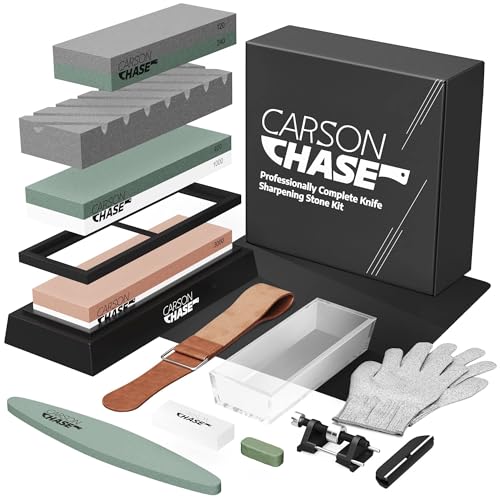
Before you even touch the knife to the stone, the stone itself must be secured. A rocking or sliding stone is dangerous and makes consistent angles impossible.
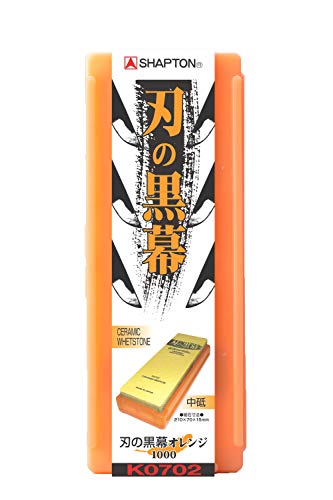
- Technique: The procedure for most stones involves soaking in water for 5–10 minutes, or until the bubbles stop rising. Set the stone on a non-slip base ideally a dedicated rubber holder or even a simple wet towel to keep it from moving around during the sharpening stroke. Always start with the coarsest grit, around 1000, to set the primary bevel.
The Angle: Finding the Sweet Spot
The correct angle is the single most challenging aspect of using a whetstone. Most Western knives use a 15- to 20-degree angle per side, while Japanese knives are often narrower (10 to 15 degrees). The most common mistake by far is raising the angle too high.
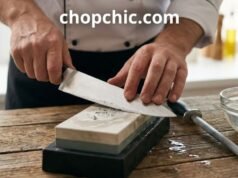
- Fingertip Gauge: To give you a more visual idea, place the blade flat on the stone and then raise the spine the backside of the blade until there’s a slight gap. One trick with which many advanced sharpeners supplement this height is by sliding two dimes or quarters under the spine of a thin knife to help physically guide the right height. Maintaining this tilt for the duration of your stroke is key to mastering whetstone sharpening angles.
Stroke: The Push & Pull
Grinding should be smooth, controlled, using the full length of the stone. Apply light, consistent pressure.
- Edge Leading: When pushing the knife away from your body, use light pressure driving the cutting edge against the stone.
- Spine Leading: When you pull the knife back toward your body, use very light pressure, dragging the spine across the stone.
- Consistency: Always count your strokes, for example, 20 strokes per side, to achieve even metal removal.
Finishing: The Burr and Finer Grit
You will know you’ve created the right geometry when you feel a small, wire-like curl of metal the burr on the other edge of the blade. When you get the burr, go on to a finer grit stone (such as 3000 or 6000) and polish in the new edge to remove the burr, completing your mastery of Whetstone Sharpening Angles.






[…] read more: Mastering the Whetstone: A Step-by-Step Guide to Consistent Sharpening Angles […]
[…] edge retention for light prep and vegetable work but require a high degree of care, special Ceramic Knives Sharpening Durability tools, and caution in handling. To most cooks looking for convenience and versatility, […]