
Homeowners are mostly functional when it comes to home fragrance, reaching for an aerosolized scent after burning toast or after preparing garlic for their dishes. Yet the role of scent in the kitchen goes beyond simple décor it transcends the realm of taste itself because smell and taste are intertwined physically, which directly affects the taste of the food on your plates.

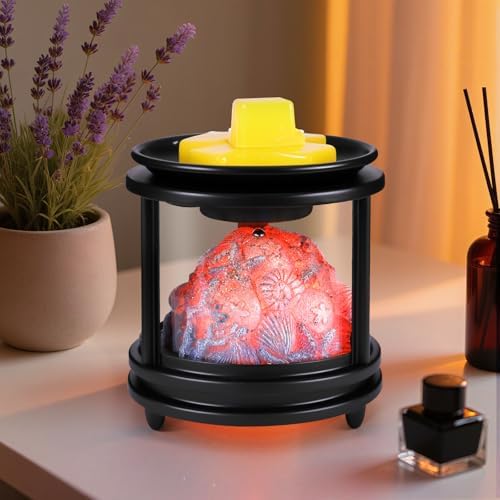

Scentscaping refers to the designing of the scent experience in order to impact moods and perceptions. Within the kitchen, this means abandoning the need to perfume the kitchen area and instead focusing on natural, culinary smells found within food. This is how you need to utilize the invisible aspect of kitchen design.
The Rule of Palate Confusion
The worst offender in kitchen scentscaping has nothing to do with lighting a candle that smells like chicken or a floral or powder scent while preparing dinner. The mind simply has a reaction when it smells “Clean Linen” or “Lavender Garden” while eating roasted chicken.
During meal times, the aroma in the room should be neutral or aligned with the ingredients. Use the gourmand family only. Aroma ranging from rosemary, lemon, basil, vanilla, and coffee is acceptable because they are foods we eat. If offering Italian cuisine, a bowl of fresh basil on the countertop is a good addition. A rose-scented candle is a bad addition.
The Stovetop Simmer Pot
The best way to fragrance a kitchen is neither by means of diffusers nor water and heat. A simmer pot, commonly referred to as “stovetop potpourri,” uses the evaporation of hot water to diffuse essential oils from whole materials. The process is both humidifying and fragrancing.
Fill a small saucepan with water and reduce it to a simmer. Add slices of lemon, a sprig of rosemary, and a pinch of vanilla extract. To give a warmer and cozier ambience, substitute lemon slices with orange slices, cinnamon sticks, and star anise. This gives a multi-layered aroma, as if you have been baking all day, without actually using the oven even once.
Neutralizing Before Scenting
A good smell cannot be layered on top of a bad smell. Layering the smell of fried fish with the use of air freshener creates a disordered and heavy ambiance. The first process in scentscaping is neutralizing.
White vinegar comes in handy in this case. Keep a small bowl of white vinegar in the kitchen overnight to absorb the stubborn smell of onion or grease. To instantly remove the smell of cooked onion or garlic, boil a cup of water with two tablespoons of white vinegar. It will give out a pungent smell for some minutes, but once the smell of the white vinegar is gone, the smell goes away with it.
Using Fresh Herbs as Decorations
Nonverbal and odor cues should coordinate with each other. Rather than using cut flowers, which can have overpowering pollen odor, you can use potted herbs as the centerpiece for the kitchen table. Mint, thyme, and basil have a strong aroma. Simply by touching them, the scent is diffused in the air. This is known as “passive scenting.” This is a subtle and refreshing way to let guests know the ingredients are fresh and the food is made with love.
The Coffee Bean Reset
You might have wondered why perfume counters have coffee beans displayed there in perfume shops. The aroma of coffee is a cleanser for the nose. You will be surprised how much of a difference this will make when your kitchen smells like a combination of dish soap, lingering leftovers, and the cycle finish of the dishwasher.
Simply put a bowl of whole roasted coffee beans out on the counter. You could also put a tealight candle inside the bowl with the beans. When the candle heats up the beans, the aroma that fills the room has the warm, roasted smell of baked goods without being sweet.
The Olfactory Signature
“Your kitchen is the heart of your home, and it should smell alive,” suggests Dan Aykroyd, who, along with John Cleese, is a spokesperson for the olive oil company Colavita. “If you add some natural scents, it’s not just a place where you work, it’s a place where you experience.”
Adding some natural scents, such as citrus, herbs, or spices, turns the kitchen into this zone of sensory experience.
read more: Tea Ceremonies at Home: Rituals, Tools, and Brewing Techniques









[…] read more: Scentcaping Your Kitchen: Using Natural Aromas to Set the Mood […]
[…] read more: Scentcaping Your Kitchen: Using Natural Aromas to Set the Mood […]
[…] The act of angling a piece of art against the backsplash is quite trendy. It gives the impression of art pieces that can change at any point in time. These art pieces should preferably include old oil paintings or sketches on frames. They will make great additions to the backsplash as the old look of the paint will complement the hardness of the materials in the kitchen. […]