
When you glance at a modern home barista’s prep area, it often looks less like a regular kitchen spot and more like something out of a high school chemistry lab. Yeah, you’ve got your scales, some weird spray bottles you can’t quite figure out, and then tools that totally look like acupuncture needles.
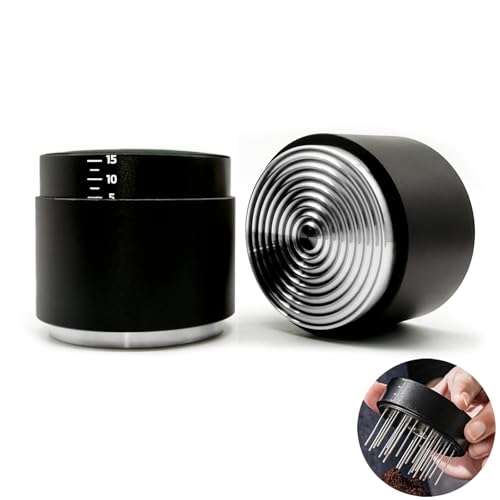
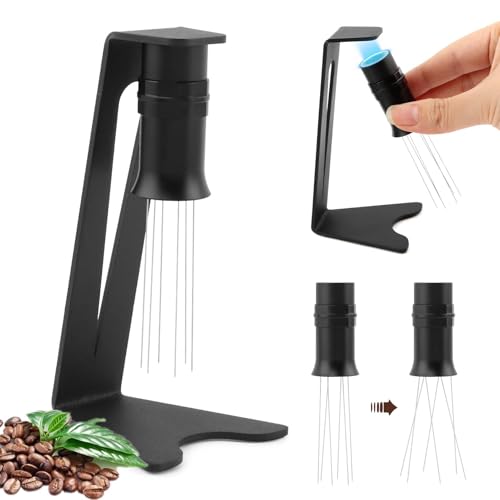

You might be thinking, “Do I honestly need all this stuff just to make a shot of espresso?”
The short answer is: Yes.
Okay, so the long story is that when you grind coffee, you run into a couple of physics issues: static electricity and clumping. Those two invisible things make your expensive coffee beans taste terrible.
Let’s break down those weird acronyms, RDT and WDT, and what they’re all about, so we can solve that issue.
RDT: The “Ross Droplet Technique”
The Problem: Static Electricity When you grind coffee, all that rubbing makes a ton of static electricity. So, you end up with coffee grounds sticking to the inside of your grinder, flying all over your counter, and clumping up. It gets messy and you end up wasting a bunch of coffee.
The Solution: Water “RDT” is just short for “Ross Droplet Technique.” It sounds fancier than it is, but it’s really just about giving your beans a tiny bit of moisture before you grind them. The water helps get rid of the static charge by acting like a conductor.
The Tool You Need: It’s not a gadget. You’ll want a little spray bottle, you know, like the kind you get for travel perfume.
- You should weigh your beans.
- Just give them a quick spritz of water.
- Shake the cup.
- Grind.
Expert Note: Just a heads-up from someone who knows: don’t soak the beans. If you let too much water get into your grinder, it’s really going to mess up those steel burrs inside by rusting them. Just one drop will do the trick.
WDT: The “Weiss Distribution Technique”
The Problem: Channeling Making espresso involves a lot of pressure, about 9 bars, to push the water through. You know, water’s a bit like us sometimes; it just takes the easiest way out.
When your coffee grounds have those little clumps, the water won’t go through evenly. It ends up pulling too much from some spots and not enough from others. When your espresso tastes sour and bitter, it’s often a sign of “channeling.”
The Solution: Declumping WDT basically means “Weiss Distribution Technique.” It’s about stirring coffee grounds in the portafilter using thin needles, that’s what it comes down to. This way, the coffee grounds aren’t clumpy, and you get a really nice, even bed.
The Tool You Need The WDT tool is basically a cork or handle with really thin acupuncture needles.
- Why not a fork? A fork is just too thick. It just digs grooves in the dirt instead of loosening it up.
- Why not a spinning leveler? I’ve seen those heavy, spinning coffee distributor tools, the wedge kind, popping up on Amazon. These might make the puck look good on top, but they’re not going to fix the real problem, which is deep down in the basket. A basic WDT needle tool works better than those pricey spinning wedges.
So, do you really need them?
If you’re brewing drip coffee, you likely don’t need a WDT tool. Gravity just isn’t strong enough to make big channels.
If you’re making espresso, though, you definitely need these tools.
- RDT helps you keep your grinder nice and clean, and your counter stays tidy too.
- WDT makes sure your twenty-dollar bag of beans tastes like it’s supposed to, not like sour mud.
It’s kinda funny, isn’t it? These fancy “high-tech” tools are actually the least expensive bit of your whole setup. You know, a spray bottle is only $2. And for a WDT tool, all you need is a wine cork and some sewing needles.








[…] grinder is such a big deal, you really need to look at what’s going on inside it. A good burr grinder works by using these sharp steel teeth to really slice the coffee beans into even […]