
Open shelving is probably one of the most divisive elements of modern kitchen design. Open shelving is either a chance to showcase beautiful ceramics and achieve a light and airy feel that is perfect for a kitchen, or a dusty nightmare of a disaster zone for many people.


The difference between those two worlds always comes down to one thing: curation. If you think about your open shelves like a typical kitchen cabinet—just a place to throw in everything that doesn’t fit in Tupperware boxes that don’t match then it will just be cluttered. But if you think about it in terms of a display piece of so-called functional art, then everything in that kitchen changes.
Applying her idea about a kitchen can be a wonderful application for any place in your home that you’d rather not dust. Though it is difficult, it is actually possible to create stylish shelving, and it’s not hard once you see what works.
The Dust Defense: Use it or Lose it
The strongest argument against open shelving is the presence of dust, but this is only a problem if you are displaying items that you do not use often.
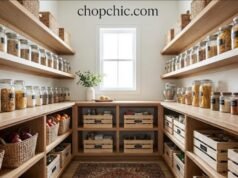
The key to open shelving, according to Holly Becker of APieceOfCake.com and author of “Decorating a House That’s Young at Heart,” is to only display what’s essential. Your plates, cereal bowls, and glasses should be in this area. You use these items enough that the dust never has a chance to accumulate.
Your gravy boat and/or your casserole dish that you use only annually don’t belong on an open shelf. Keep your shelves full of activity. If something is not in use, it should be behind a door.
The Three-Tone Limit
Closed cabinets are easy to work with; they cover a multitude of sins. Open shelving reveals everything. If you are a collector with ten colors of mugs with matching logos, the open shelving will look cluttered. To achieve the calm look, you have to learn to contain yourself when it comes to color.
Keep the palette to only three tones. For instance, white ceramics, wood, and glass. Or perhaps black, stoneware, and copper. By doing this, you ensure that all the items, which could be different, are part of a harmonious group. This allows your eyes to easily sweep along the shelves without resting on a bold red logo.
Defying the Ceramics Tedium
Having a shelf full of plates neatly stacked together may give a rather sterile feel to it, as though it were a cafeteria at a hospital. In order to get a homely feel, there should be variation in the material used.
Add texture to vary from the glossy pottery. Prop a wood cutting board against a back wall to introduce warmth. Fill a few glasses with pasta or oats and set them out to introduce texture. Consider adding a small plant for natural texture or a pepper mill for shine. The idea is to achieve contrasting textures between hard and soft and between matte and glossy.
Breathing Room and Balance
The biggest error in regards to this space is overfilling the space. Because the shelf is three feet long does not mean you need three feet of things.
Negative space: The space between objects is as important as the objects. It serves as resting points for the eyes. Do not stack plates all the way up to the next shelf. Leave space at the top. Do not stack bowls against the glasses. Leave space between the bowls and glasses. Organize objects in odd-number groups such as three bowls or five mugs. Leave space between the groups.
The Verdict
Organizing open shelving is about styling and editing. It challenges you to consider what you actually like enough to showcase. It prevents you from becoming a hoarder because you literally cannot hide your stuff. Ultimately, a well-styled shelf is about more than just aesthetics. it’s a celebration of the tools that sustain your family.
read more: The Evolution of the Toaster: From Fire Hazards to Smart Tech







[…] read more: Open Shelving Styling: How to Curate Functional Art in Your Kitchen […]
[…] read more: Open Shelving Styling: How to Curate Functional Art in Your Kitchen […]