
Moving away from single-use plastic wrap is a major step toward sustainability, leaving many cooks to choose between two reusable favorites: beeswax wraps and silicone lids. While both offer excellent food storage, their durability, required maintenance, and eventual cost-per-use diverge significantly. The long-term value of your investment will depend entirely on which material best fits your kitchen habits.
Beeswax Wraps: The Maintenance Requirement
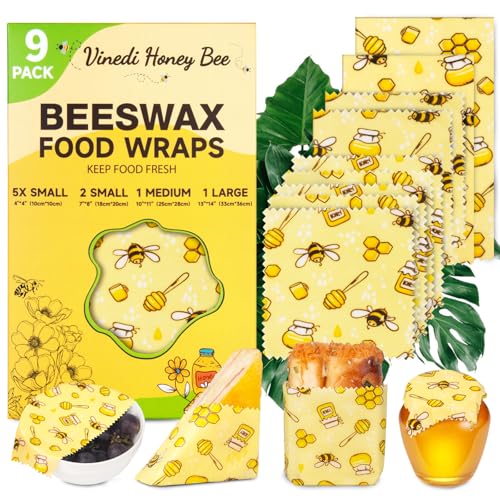
Beeswax wraps create a beautifully natural, biodegradable wrap for food. They mold easily around containers using the warmth of your hands and are ideal for wrapping produce, sandwiches, and cheeses. However, their lifespan is most dependent on their care.
related article: How to Wash Bamboo Cutting Boards (Without Ruining Them)
- Durability: A good-quality beeswax wrap, if cleaned gently, would usually serve for six months up to one year. Exposing the wraps to hot water, heat, or very greasy foods can shorten this period significantly, as it degrades the wax coating.
- Cost: Because wraps have a limited life, cost per use increases after about 100 to 150 uses. They also have to be re-waxed periodically to extend their life, which encompasses some labor and material costs.
Silicone Lids: The Permanent Solution
Silicone lids, on the other hand or rather, stretch lids offer a very different proposition altogether. Made from flexible, food-grade silicone, they create an airtight, spill-proof seal on nearly any container. Their core advantage is longevity and tolerance for extremes.
- Durability: Silicone is virtually indestructible in a typical kitchen environment. It stands up to boiling water, microwave heat, and the dishwasher without degrading its structure or sealing ability. Their life actually measures in years instead of months.
- Cost: While the upfront cost of a set of silicone lids may be marginally higher versus wraps, their calculated service life reaches well into the thousands of uses. This makes the long-term Cost-Per-Use Analysis figure extremely low; therefore, the initial cost is rather quickly justified.
Cleaning: A Simple Comparison
The main difference in required effort comes into play during cleaning. Beeswax wraps must be hand-washed with cool water and mild soap, then air-dried. Silicone lids can just be thrown directly into the dishwasher or steam-sterilized and put away. This simple maintenance difference is key for busy households. Ultimately, both tools eliminate disposable plastic, but the Lifespan of Beeswax Wraps vs. Silicone Lids points to silicone as a more durable, zero-maintenance, and affordable solution over several years.






[…] Resistance: You’re stirring over a hot stove you don’t want your spatula melting. Make sure it’s able to handle high […]
[…] from plastic tupperware has made glass and stainless steel the two dominant choices for reusable food storage. Both are better for health and the environment than plastic; however, they differ in meeting […]