
Proper knife storage isn’t strictly about aesthetics or convenience; it’s about edge integrity and safety. After taking the time to sharpen your favorite chef knife, the last thing you want is for it to dull prematurely in storage. Of the two most popular methods, Knife Blocks Magnetic Strips, each offers a vastly different approach when it comes to protecting the blade edge. Deciding which method works best for your collection involves understanding how each interacts with the delicate cutting edge.
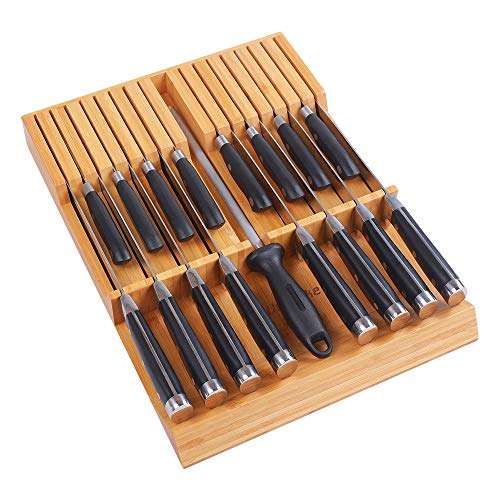

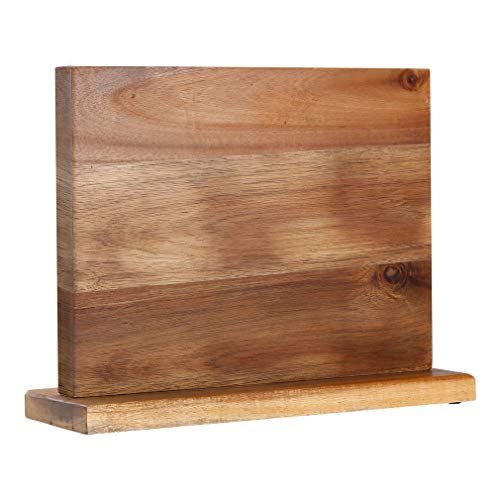
Knife Blocks: The Friction Factor
But the classic wooden knife block, while safe and easily accessible, introduces the risk of dulling the blade.
- Dulling risk: Every time a knife is pulled out or slid back into the block’s slot, the edge inevitably rubs against the wood. This constant friction causes microscopic rolling and dulling of the edge, forcing the cook to sharpen more frequently.
- Hygiene: The other major disadvantage is hygiene. Slots in knife blocks are very hard to clean and may collect crumbs, moisture, and bacteria that are then transferred back onto the clean blade. To reduce friction, always push the knife into its slot spine-first so that only the front or back of the slot touches the edge but not the surfaces of the wood.
read more: Pyrex Freshlock Glass Food Storage Containers Set Review
Magnetic Strips: The Edge Safety Solution
Magnetic strips, installed on the kitchen wall, provide maximum visibility and superior edge protection.
- Zero Contact: A blade hangs suspended in the air when utilizing Magnetic Strips. When placing or removing the knife correctly by pivoting the spine away from the strip rather than pulling straight off the cutting edge never touches another surface, eliminating the block’s inherent dulling friction.
- Hygiene: The surface of the magnet is non-porous and completely exposed; hence, it is very easy to wipe after every use, thus offering a high level of hygiene. This makes the magnetic strip the clear winner in maintaining a clean workspace.
Storage Space: Kitchen Layout
The choice between Knife Blocks Magnetic Strips has much to do with space availability. Blocks consume a lot of countertop real estate, which is a big deal in small kitchens. Strips, on the other hand, take up wall space vertically and leave the counter free for preparation. The Verdict: Blade Protection While blocks provide safety visually by covering the edges, magnetic strips provide better long-term protection to the sharpness of the blade. For chefs who value edge longevity and ease of cleaning, the magnetic strip is the better option.









[…] among us hasn’t found themselves in this situation during a holiday meal? You have your big roast in the oven, and you’re afraid of overcooking it. So you go to check […]