
The distinction between honing and sharpening seems to get confused by home cooks more than anything, yet it’s one of the most important basics to keeping a quality kitchen knife. Using a dull knife is inefficient and hazardous. The key to keeping your edge perfect is understanding the difference in purpose between the Honing Steel Sharpening Stone. One straightens the edge; the other removes metal. Confusing the two can permanently damage your blade.


Honing Steel: Edge Alignment
The honing steel, often mistakenly called a sharpener, does not actually remove any significant amount of metal from the blade. Its purpose is purely maintenance.
- When to Hone: Use the steel frequently ideally before or after every few uses. Over time, the knife edge, which is microscopically thin, bends slightly to one side (creating a “burr”) after hitting a cutting board or bone. The steel gently nudges this edge back into the center, realigning it.
- Result: Honing immediately reinstates a knife’s sensation of sharpness because it straightens the existing edge. It is a speedy, necessary process that extends the interval between proper sharpenings.
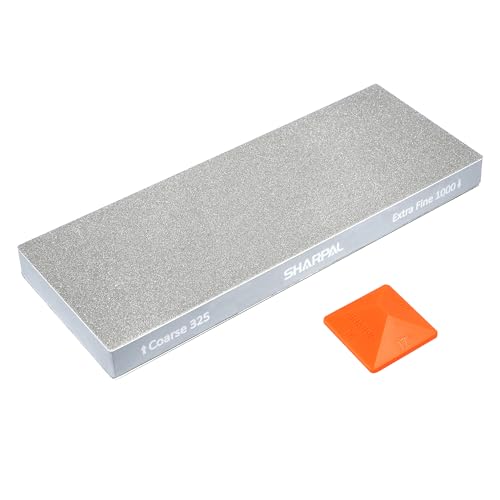
Sharpening Stone: Creation of Edge
The sharpening stone, or whetstone, is the tool that actually grinds away material to create a brand-new, fresh edge. Stones are available in various grits, measured in microns.
- When to Sharpen: This is necessary much less frequently, maybe once every six to twelve months for a quality home knife, depending on use. You need to sharpen when the knife feels persistently dull even after honing meaning the physical edge has been worn round or chipped.
- Result: Sharpening removes the damaged metal and creates a new apex; this is the peak sharpness of the blade. This aggressive step is indispensable for long-term edge creation.
The Synergy: Honing Steel Sharpening Stone
These two tools work together, not in competition. The steel takes care of the daily wear and tear, keeping the edge straight. The stone takes care of the long-term deterioration, bringing a truly dull knife back into a working state. Neglecting to steel frequently means reverting to the stone too often, which reduces your knife’s lifespan by removing unnecessary amounts of steel. Knowing the rhythm of when to hone and when to sharpen marks the seasoned cook.
read more: Honing Steel vs. Sharpening Stone: When to Hone and When to Sharpen








[…] Read more: Honing Steel vs. Sharpening Stone: When to Hone and When to Sharpen […]