
You’re looking at about twenty or thirty dollars for a good bottle of Extra Virgin Olive Oil. When you pick it, you’re really looking for those grassy notes and that kick of pepper.

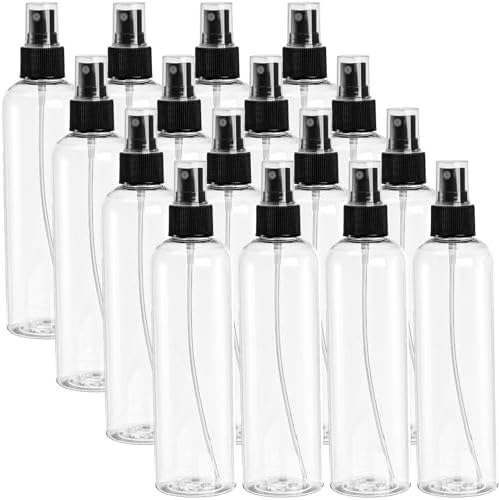
Next, you just pour it into one of those cheap $5 plastic spray bottles.
After just a few weeks, that pricey oil doesn’t taste good anymore, and the bottle itself gets this sticky feeling that just won’t go away. This isn’t just bad luck; it is chemistry. What you store your oil in makes a big difference to how long it lasts and what it tastes like.
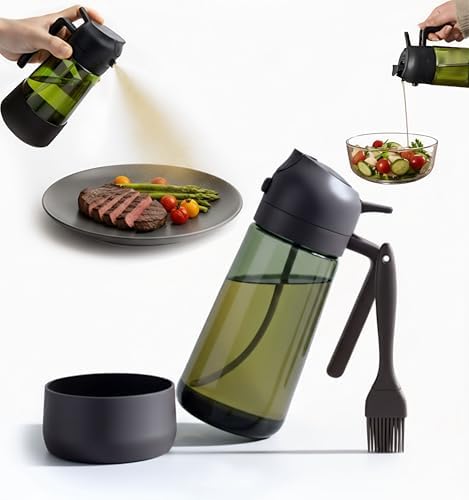
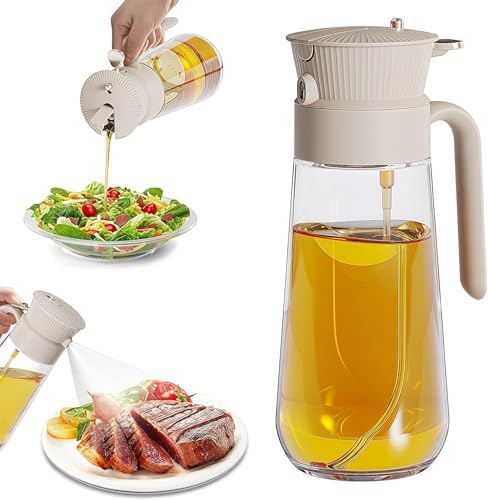
Even though plastic sprayers are light and won’t break, I’ve completely switched to using a glass oil dispenser in my kitchen. Let’s get into why glass just works better for taste, your well-being, and keeping things clean.


The Chemistry: The “Leaching” Problem
The main thing people worry about with plastic is how chemicals react to it. Olive oil can dissolve things. Years of use can mess with various plastics, particularly the chintzier, less durable ones in cheap kitchen tools.
- Plastic: Is porous. It actually soaks up smells and tastes, really tiny, like under a microscope. It’s even worse if the plastic has BPA or phthalates; those chemicals can seep into your oil, particularly if the bottle is kept close to a hot stove.
- Glass: Just sits there; it doesn’t react to anything. It forms a really strong barrier. Even after sitting in the bottle for months, your oil tastes just like oil no weird plastic aftertaste at all.
The “Sticky Bottle” Syndrome
You know how sometimes you grab an old plastic oil sprayer and it feels all sticky and gross, and no amount of soap seems to get that gunk off?
This is called polymerization. Little bits of oil get stuck in the tiny holes you can find in plastic. Once they touch the air, they stiffen up, turning into something like a varnish.
It’s impossible to really scrub inside the tiny holes of plastic, so that bottle won’t ever truly feel clean again. A glass olive oil mister has a really smooth surface. Just run it through the dishwasher, and all the grease will be gone, making the bottle squeaky clean.
The Light Factor: Protection Against Oxidation
Light is really bad for olive oil. Those ultraviolet rays really mess with the good stuff in EVOO (the polyphenols). It’s like they turn the oil bad and zap all its healthy qualities.
- Plastic: Most plastic sprayers are clear.
- Glass: Is often used for fancy dispensers, and you’ll typically find it in dark amber or green colors, or sometimes with a stainless steel outer layer. This acts like sunglasses for your oil.
Is Breakage a Dealbreaker?
You know, if there’s one thing plastic has going for it, it’s that it lasts. Yes, a glass bottle will break if you drop it on a tile floor. But we’ve come a long way with modern design; this isn’t a problem anymore.
You’ll find that pretty much all the best glass oil dispensers (think YARRAMATE or the Evo Stainless line) now include a protective sleeve, either stainless steel or silicone. You get the best of both worlds with this, thanks to the hygiene of glass and the fact that it’s as tough as metal.
So, Which One Should You Get?
Stick to Plastic If:
- You are camping: You really have to think about how much stuff weighs.
- You use it rapidly: If you go through oil quickly, like in a busy restaurant kitchen where you’re refilling the bottle daily, the oil won’t sit around long enough to react with the plastic.
Upgrade to Glass If:
- You buy good oil: You went to all that trouble for good oil, don’t mess it up with a crummy bottle.
- You store it on the counter: You want that UV protection to stop it going bad, plus the surface is non-porous, which helps keep that “rancid oil” smell away.
- You want it clean: If you want to sanitize your sprayer in the dishwasher, glass is the only option.
The Final Decision: Flavor Wins
Ultimately, what it all comes down to is this: Plastic is for water; Glass is for oil. This tiny change really makes food taste so much better.








[…] You hate refilling: The large 16oz capacity is a huge upgrade over small pump sprayers. […]