
But a knife doesn’t just cut food because it’s sharp; its geometry or “grind” the shape of its cross-section determines the way it slices through food. The choice between a Flat Grind and a Hollow Grind dramatically changes the blade’s strength, sharpness, and resistance when attempting to cut through dense or delicate materials. Understanding these geometries is crucial for selecting the right knife for particular tasks in the kitchen.
Find knives with both flat and hollow grinds and compare the feel of them:
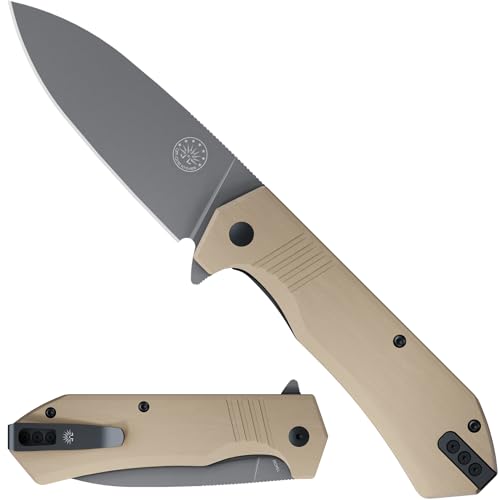
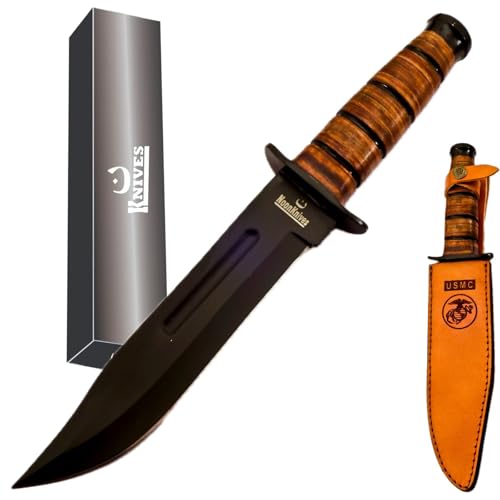
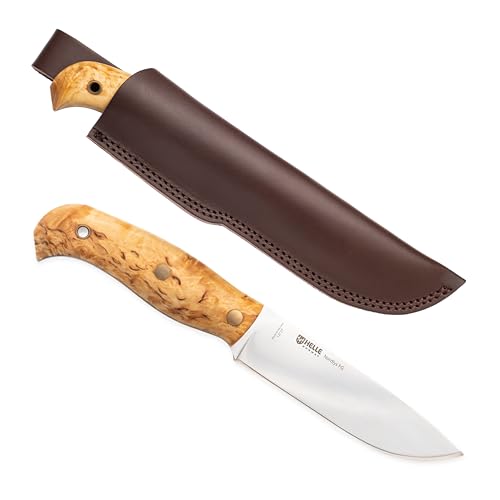
Flat Grind: The Versatile Workhorse
The flat grind or V-grind tapers evenly from the spine, which is the thickest part, right down to the cutting edge, providing a profile that is both structurally robust and highly versatile.
- Expertise: With this flat grind, because the material remains relatively thick until the very edge, it allows for exceptional lateral stability and strength. Such a profile would be common on robust chef’s knives and utility blades intended for daily, general-purpose work when the knife needs to stand up to some twisting or to heavy-duty cutting, like slicing through dense vegetables or meat with small bones.
- Cutting Action: The flat grind pushes the material away from the blade quickly, reducing friction and prevents sticking when slicing moist foods like cucumbers or potatoes.
Hollow Grind: Extreme, Delicate Sharpness
The hollow grind is easily recognizable: the sides of the blade feature a concave, scooped-out curve before reaching the edge. This geometry results in an incredibly thin area just behind the cutting edge.
- Authoritativeness: The primary benefit is extreme sharpness and minimal resistance. The concave profile means the cutting edge is far thinner compared to that of a flat grind, so the knife can cut very delicate items like smoked salmon or roast beef with very little drag. This is the geometry of choice for professional straight razors, testament to its slicing capability.
- Trade-Off: The extreme thinness, on the other hand, comes at a price in durability. The narrow profile behind the edge is structurally weaker and prone to chipping or rolling when it meets hard materials.
Which Geometry Affects Cutting: Practical Application
The main difference between Flat Grind vs Hollow Grind manifests when resistance is encountered.
- Flat Grind: Great for splitting and chopping, its mass wedges through items like carrots or winter squash. Great for general prep.
- Hollow Grind: Great for light slicing and precision cuts the thinness reduces friction. Ideal use: presentation cuts or filleting. To the home cook, though a hollow grind may feel razor sharp, a flat grind usually offers the needed durability for the demanding and varied tasks of a busy kitchen.
read more: The Top 10 Chef’s Knives Under $70 (Expert Reviews)








[…] hard, stamped blade problem of rapid dullness is just what the HOSHANHO 7-Inch Fillet Knife uses 10Cr15CoMoV steel to […]
[…] fillet knives, edge retention is often secondary to corrosion […]