
Farm-to-table has become a clichéd marketing term in the restaurant industry, printed on menus to bill a higher price. But the essence of the farm-to-table experience is to be right in your own home kitchen. This is not about overpaying for vegetables. Farm-to-table is about bridging the gap between the earth and your dinner plate. By going farm-to-table, you’re not just supporting a local farmer, you’re elevating the level of your food.
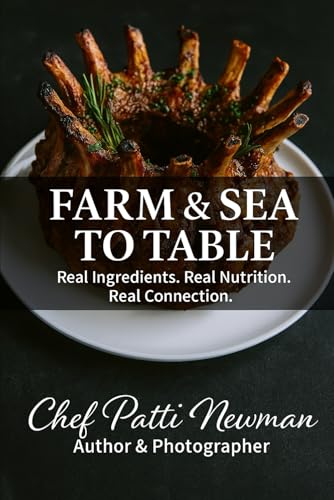

Applying this philosophy in your lifestyle means changing habits. You have to trade the ease of supermarket shopping for the rhythm of the seasons. Here are steps to design a kitchen that celebrates the source.
The Flavor of Proximity
The produce found inside large grocery stores is raised to withstand shelf life and shipping, not taste. The supermarket tomato is meant to withstand a thousand miles of trucking without being squished, which is why it tastes like cardboard.
Local foods are harvested when they are at the peak of ripeness because of the distances they have to cover to reach your table. Sugar in corn deteriorates instantly upon harvest. When you harvest corn from a farmers’ stand and know that it was picked that morning, the sweetness pops. This explains the first reason why locals promote eating local foods You don’t have to be a better cook; you need to have better ingredients.
Farmers’ Market Campus Tour
Farmers’ market is the trading floor of the local food economy. To get the best from the experience, it is necessary to participate. Do not just wander around in a passive way. Talk to the farmers about what is in season each week. They will have knowledge of what is reaching the end of its season and when the peak is approaching.
Be accepting of things that aren’t perfect. Nature doesn’t produce perfect vegetables. Maybe your heirloom carrot will be crooked, your apple from the organic farm will have a blemish. It could mean that the produce wasn’t heavily sprayed with chemicals. Accept the dirt. A bit of dirt on your potatoes means they’re fresh. It preserves them until it’s time for washing.
The CSA Commitment
If a more personal connection with where your food comes from is your interest, maybe a program called Community Supported Agriculture, or CSA, would be a good fit. What this entails would be a subscription to receive a share of a farmer’s harvest.
“The CSA box is the greatest culinary game ever,” Claire explained. “You don’t get to pick what’s in it; the season does it for you.” You could be bombarded with kohlrabi or garlic scapes. This adds some creativity to the mix because it’s not so cool to cook the same five dishes every year. It teaches the cook to cook what she’s got instead of grabbing what she wants.
The Art of Doing Less
When you are working with superior ingredients from around your community, your skills need to lean more towards simplicity. A hothouse strawberry from the supermarket requires sugar and cream to taste enjoyable. Your picnic basket strawberry from around your corner needs nothing.
The philosophy behind “farm-to-table” cuisine is restraint. “If you’ve got fresh asparagus, you roast it with olive oil and salt,” Tanya says. “If you’ve got pasture-raised chickens, you roast them with lemons and herbs.” The aim is to show off what makes the ingredient great rather than trying to disguise it with sauce and processing.
Preservation and Seasonality
Eating locally requires an understanding that not all foods are available at all times. “Tomatoes are in August. Zucchini is in October. It’s the fleeting nature of these seasonal foods that lends the seasons their uniqueness,” argues West Virginia food activist Maria Hummer.
In order to prolong the seasons, you can learn about preservation. Freezing berries, pickling cucumbers, or making sauce with tomatoes is essentially finding a means whereby you capture the essence of the season that is going on outside. It is a larder that gives meaning to the passage of a year.
read more: The Aesthetic Pantry: Organization Solutions that Look Beautiful









[…] read more: Farm to Table at Home: Sourcing and Celebrating Local Ingredients […]
[…] read more: Farm to Table at Home: Sourcing and Celebrating Local Ingredients […]