
Bringing a food waste caddy into the kitchen is a commitment to reduction of landfill waste, but most people worry about the inevitable: smell and flies. A countertop caddy is the bridge between your kitchen prep and your compost bin, but it can quickly become a point of frustration if managed incorrectly. Happily, preventing odour and pests is straightforward and depends entirely on establishing a few simple habits.
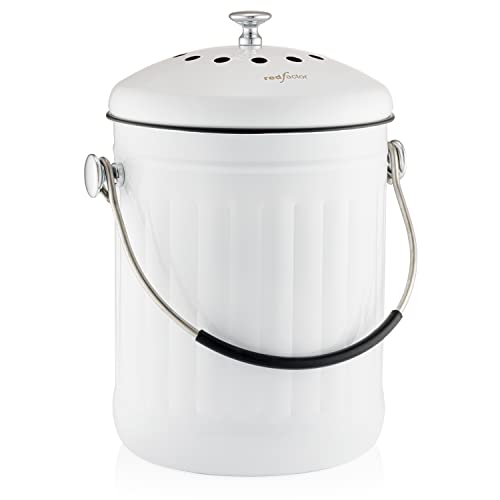


Location: Strategic Placement
Where you put your caddy makes quite a difference in how it functions. Avoid placing it near the stove, oven, or sunny windows. Heat greatly speeds up decomposition, which creates odor and moisture. Put your caddy in the coolest, most shaded part of your counter, away from direct heat. This helps to slow down the process for the bacteria. Using a small caddy, sized appropriately for one or two days’ worth of scraps, also encourages frequent emptying, minimizing the time decaying food sits inside.
Materials: What Goes In
What goes into the caddy is what makes it turn foul. Most of what goes into your scraps caddy should be fresh fruit and vegetable cuttings. There are, however, some materials that you should add in sparing quantities or, better yet, not at all, if you want No Smell, No Flies.
- Avoid: Meat, dairy, fats, and oils. These break down very quickly and can cause unpleasant odors and even attract pests right away. Ideally, they should go straight into a safe, outdoor composter.
- Balance: Mix in “brown” materials, such as small amounts of shredded paper or dried leaves, with your “greens,” or vegetable scraps. This will absorb excess moisture, preventing the bottom layer from turning into a thick, odorous sludge.
Liner and Cleaning: Basic Maintenance
While using a proper liner can make for quick cleanup, the container itself requires regular attention. Compostable liners are available and work better than using a standard plastic bag. Compostable liners allow for a small amount of air exchange that is needed while containing the moisture.
- Cleaning: Even when using a liner, rinse the caddy every time you empty it. A quick scrub with vinegar or a simple, nontoxic cleaner will neutralize lingering odors. Allow the caddy to air-dry completely before inserting a new liner; a dry caddy equals a clean, low-odor environment.
The Best Tool: Activated Charcoal
If you are more sensitive to smell, then look for caddy designs that incorporate a ventilated lid with a slot for an activated charcoal filter. Activated charcoal is highly porous and naturally absorbs odor molecules, trapping them before they can make their way out of the unit. Replacing the filter in a couple of months is a minor maintenance task that has one great payoff: having a truly fresh-smelling kitchen as you strive toward sustainability.









[…] a constant ambient smoker temp. A conventional instant-read pen is quicker and more handy when cooking fast foods such as steak or a […]