
Introduction to Wok Materials
Selecting the proper wok means knowing the materials available. Each material has a unique influence on cooking. This encompasses performance, heat distribution, durability, and style. Stainless steel, carbon steel, and cast iron are the three most prevalent wok materials.
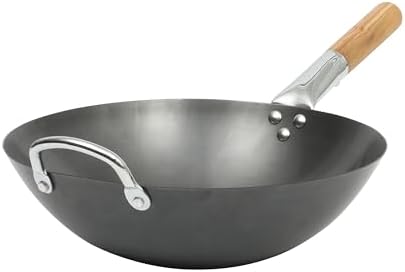
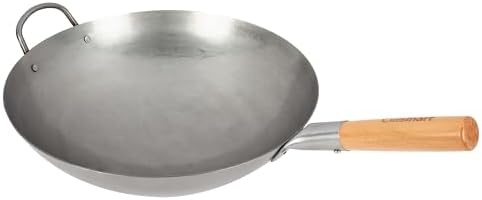
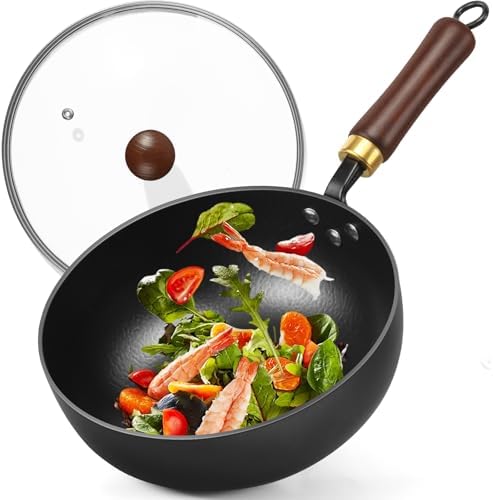
Carbon steel is generally liked by both chefs and home cooks. It heats evenly and fast because of great heat conductivity. This makes stir-frying and searing just right. With use over time, seasoning builds a natural non-stick finish. This increases flavor and prevents sticking. So, it’s perfect for high-heat Asian cooking. It requires maintenance to avoid rusting.
Stainless steel woks have other benefits. They do not rust or stain. This makes them very easy to clean. While they heat less evenly than carbon steel, many of the newer ones are made with aluminum or copper bottoms. These improve heat conduction. This is appealing to chefs who want durability without sacrificing much function in the process.
Cast iron woks are good retainers of heat. This allows sustained cooking without significant drops in temperature. They are heavy, however. They need special care for seasoning and rust protection. These types of woks are suitable for slow cooking. Their consistent heat can counteract aggressive high-heat techniques.
Finally, personal cooking practices and preferences determine the best wok material. Before a choice is made, careful consideration of the nature of carbon steel, stainless steel, and cast iron is important.
Carbon Steel vs. Stainless Steel Woks: Key Differences
Carbon steel and stainless steel are the most suitable choices for woks. Each has its pros and cons.
Heat Conductivity: A major difference is heat conductivity. Carbon steel woks heat rapidly and uniformly. For this reason, they are ideal for high-heat cooking like stir-frying. This uniform heat allows for the ideal searing and the crunch of vegetables to be maintained. Stainless steel woks are not good conductors of heat. They take longer to reach the ideal temperature.
Handling and Weight: Wok weight is a concern too. Carbon steel woks are lighter than stainless steel ones. They are thus easier to handle, especially when tossing food around. This can improve cooking, especially with frequent stir-frying. Stainless steel woks are heavier. This can offer more stability but lead to fatigue with extensive use.
Seasoning and Care: Seasoning is what differentiates carbon steel from stainless steel woks. Carbon steel woks need to be seasoned in order to generate a natural non-stick. This increases their performance over time. It involves oil and heat. The wok forms a patina that improves with use. Stainless steel woks don’t need seasoning. This makes them low maintenance. They may not be as non-stick as well-seasoned carbon steel woks, however.
Ideal Dishes: Carbon steel woks are best for high-heat, quick cooking like stir-fries and fried rice. Stainless steel woks are perhaps better suited for simmering or braising dishes that do not need as much heat.
Carbon Steel Wok vs. Cast Iron Wok
The choice between carbon steel or cast iron woks relies on heat retention, non-stickiness, and weight. Both have advantages and disadvantages that affect cooking.
Heat Retention and Responsiveness: Cast iron woks retain heat superbly. This is ideal for slow cooking and those foods which need constant, extended heat. Carbon steel woks heat up more quickly. They are better at responding to temperature changes. This benefits stir-frying by allowing quick cooking, which is required for maintaining the crispness of vegetables.
Non-Stick Performance and Maintenance: Carbon steel and cast iron must be seasoned to create a natural non-stick. A well-seasoned carbon steel wok can be very non-stick, even more so than cast iron. Cast iron woks, however, maintain their seasoning very well. Seasoning is the same, but carbon steel woks may need more maintenance for their non-stick.
Weight and Handling: Cast iron woks are normally heavier than carbon steel ones. This renders them difficult to handle when it comes to food tossing. Carbon steel woks are lighter and more manageable. This can be helpful when it comes to speedy cooking.
Individual cooking style and what you will be cooking determines the best choice lastly. Each material has its advantage.
Best Wok Materials for Particular Dishes
Selecting a wok suitable for various dishes demands familiarity with each material’s positives and negatives.
Stir-Frying: Carbon steel woks are quick to heat up and have good heat retention. Their light weight facilitates rapid handling. This guarantees even heating when used over high heat. Asian cooking is not complete without them. Beef stir-fry or vegetable chow mein type dishes utilize the fast heat transfer of carbon steel.
Steaming: A bamboo or metal steamer over a wok is used more often for steaming. But a stainless steel wok will do as well. Stainless steel is non-reactive. This is suitable for light flavors. It also withstands moisture well. Chicken and vegetable steam meals are a good case in point. The gentler heat avoids loss of nutrients and flavors.
Deep-Frying: The thicker carbon steel or cast iron wok is mostly used for deep-frying. Cast iron retains heat incredibly well. This is ideal to fry foods like spring rolls or fried chicken. Maintaining even temperatures helps in achieving a crispy exterior with minimal oil intake. Experts tend to suggest thicker material for deep frying in order to avoid losses of heat, which make food soggy.
Slow Cooking: Cast iron woks are excellent at slow-cooked dishes like stews or curries. Their heat mass allows them to cook low and slow. This is required for the development of deep flavors. They allow soft bubbling and do not dry out. This is the most suitable arrangement for hearty foods like Chinese braised pork.
Each material that the woks are made of has unique attributes. These allow cooks to choose equipment based on the food and method.
read more: A Beginner’s Guide to Carbon Steel Woks: Introduction and Seasoning Tips








[…] Carbon steel is often referred to as the king of woks, for it responds so well to heat and can build up a fine seasoning. This traditional material is not always the best choice, though. There are specific cooking scenarios and kitchen environments where choosing Stainless Steel Over Carbon Steel is not just preferable, but necessary. Understanding these distinctions saves time, effort, and frustration. […]
[…] Cantonese cooking, use flat rice noodles that are heat-resistant. Preheat your carbon steel wok to optimal temperature. Stir-fry marinated beef in minimal oil for 30 seconds to achieve Wok Hei. […]