
Ceramic knives burst onto the culinary scene promising an edge that rarely, if ever, dulls. Made of highly compressed zirconium dioxide, these blades offer a unique alternative to traditional steel. But is this promise of everlasting sharpness offset by real-life specialized maintenance and inherent fragility? Understand the trade-offs in Ceramic Knives Sharpening Durability before you invest in this specialized material for your kitchen.
Ready to experience the edge retention for yourself? Have a look at the currently top-rated ceramic knife sets here:
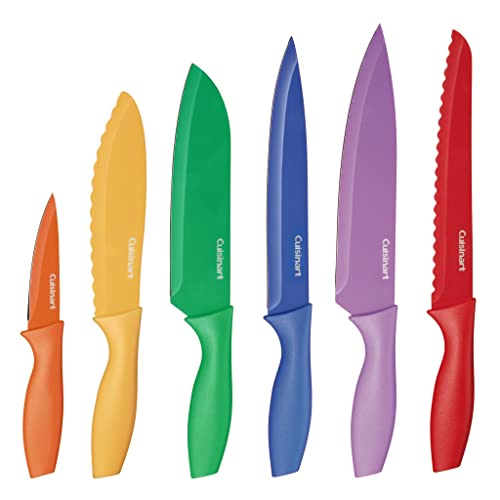


Click the link above to see today’s deals on high-quality ceramic knives!
Edge Retention: The Zirconia Advantage
The extreme hardness of ceramic is its biggest draw. On the Mohs scale, zirconia ceramic scores around 8.5, vastly exceeding even high-carbon steel (typically 7.5 to 8). The extreme hardness of a ceramic explains why the edge can hold its geometry for significantly longer than steel, often months or even years for typical home use without needing attention.
- Expertise: Because the material itself is so rigid, the microscopic cutting edge resists rolling and bending, which is the primary cause of dullness in metal knives. This longevity is the clear performance advantage that draws chefs to the material for detailed, low-stress prep work.
Sharpening: Specialized Tools Required
The same hardness that ensures great edge retention is what makes sharpening of ceramic knives such a hassle. You absolutely cannot use standard steel honing rods or whetstones.
- Authoritativeness: Any attempt to sharpen ceramic with steel stones or rods will only damage the abrasive surface of the sharpener, but not the knife. To grind the edge of ceramic which you will necessarily have to do when the knife finally does dull or chip you’ll need to use a material of higher hardness: diamond abrasives. This necessitates either specialized electric grinders or a diamond-surfaced whetstone, adding an extra layer of cost and Ceramic Knives Sharpening Durability complexity.
Durability: The Brittleness Factor
While it resists dulling, ceramic is intensely brittle. This is the main durability drawback.
- Trust & Safety: Unlike steel, which flexes or bends when stressed, ceramic chips or snaps. Dropping a ceramic knife onto a hard floor, twisting the blade while cutting through a dense vegetable such as squash or using it to pry something open guarantees permanent damage to the blade. They are excellent for fine, straight-line slicing but poorly suited for heavy-duty tasks where impact or lateral stress is involved.
Conclusion: Weighing Performance and Risk
Ceramic knives have unrivaled edge retention for light prep and vegetable work but require a high degree of care, special Ceramic Knives Sharpening Durability tools, and caution in handling. To most cooks looking for convenience and versatility, the risk often outweighs the reward.
Read more: The Guide to Knife Steel Hardness (HRC Rating) and Edge Retention








[…] leads to a rounded, dull edge that wastes time and precious blade material. Mastering the Whetstone Sharpening Angles means adopting a technique that turns an intimidating process into a precise, repeatable […]
[…] The primary benefit is extreme sharpness and minimal resistance. The concave profile means the cutting edge is far thinner compared to that […]
[…] read more: Are Ceramic Knives Worth the Maintenance Hassle? (Sharpening & Durability Review) […]