
As you browse coffee bags online or in your local shop, you’ve likely seen terms like single-origin and blend. While they may sound like insider lingo, they carry real implications for flavor, consistency, and brewing experience.
Bestseller #1

Bestseller #2

Bestseller #3
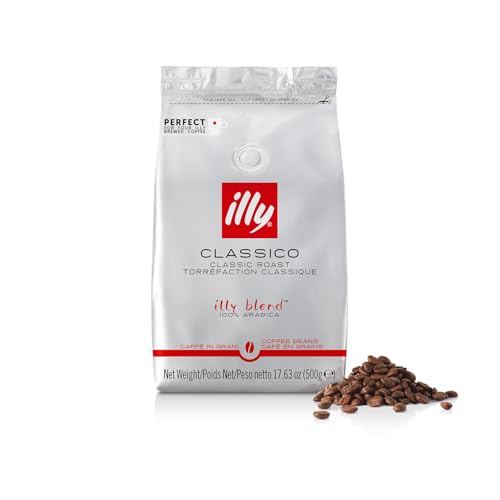
Let’s break down what these terms mean and which one might suit your taste and brewing method.
What Is Single-Origin Coffee?
Single-origin coffee is sourced from one specific region, farm, or even a single lot within a farm. The key idea is traceability and purity of flavor.
Key characteristics:
- Distinctive flavor profiles tied to geography (soil, climate, altitude)
- Typically roasted light to medium to showcase terroir
- Ideal for manual brewing methods like pour-over, AeroPress, and Chemex
Pros:
- Unique and often complex taste
- A great way to explore coffee origins
- Often seasonal and limited in quantity
Cons:
- Can vary significantly from batch to batch
- May be too bright or intense for some palates
related article How Coffee Processing Methods Impact Flavor
What Is a Coffee Blend?
A coffee blend is made by mixing beans from multiple regions, farms, or even continents to create a balanced, consistent flavor profile.
Common reasons for blending:
- To create a signature house flavor
- To balance acidity, body, and sweetness
- To enhance consistency for espresso shots
Pros:
- Reliable and consistent taste
- Often more approachable for beginners
- Ideal for milk-based drinks like cappuccinos and lattes
Cons:
- Less complexity or nuance than single-origin
- May mask the individual character of beans
Which Should You Choose?
- Choose single-origin if you:
- Love trying new and distinctive flavors
- Brew manually and want to appreciate nuance
- Enjoy learning about coffee regions and producers
- Choose blends if you:
- Prefer a consistent flavor every morning
- Drink espresso or milk-based drinks
- Want something easy-drinking and forgiving
What We Recommend
- For espresso beginners: Start with a medium roast blend designed for espresso.
- For pour-over enthusiasts: Try a washed single-origin from Ethiopia or Colombia.
- For milk drink lovers: Look for blends that emphasize body and chocolate notes.







[…] coffee beans, altitude is not just an agricultural note it’s a determining factor that impacts flavor in […]
[…] you’re not only tasting the bean, you’re tasting the history of how it was processed. Coffee beans don’t go straight from tree to bag. They go through a critical processing method that decides […]
[…] scanning a shelf of coffee bags, you’ll often come across two terms: blended and single-origin. Each represents a different […]
[…] you’ve ever read a bag of specialty coffee and seen “grown at 1,800 meters,” you might’ve wondered why does altitude matter? The truth is, […]
[…] Single origin coffee is grown in one region, country, or even farm. The idea is to present a cleaner taste of the geology and environmental factors of the coffee, or the terroir. Single origin coffees mostly focus on distinct flavor profiles like floral, citrus, or fruit-like flavors. […]
[…] found a stale bag of coffee beans in the back of your pantry and wondered, “Can I still use this stuff to make a pot?” […]
[…] Single-origin beans come from one specific place either a single farm, cooperative, or region. They’re prized for their distinct and bold flavors that reflect the unique characteristics of their origin, also known as the terroir. […]