
When it comes to the perfect espresso shot, consistency and even extraction are essential. One small but powerful tool that helps home baristas in this pursuit is the WDT tool, short for Weiss Distribution Technique tool. It might look like a simple needle device, but it has a huge impact on the quality of your shots.
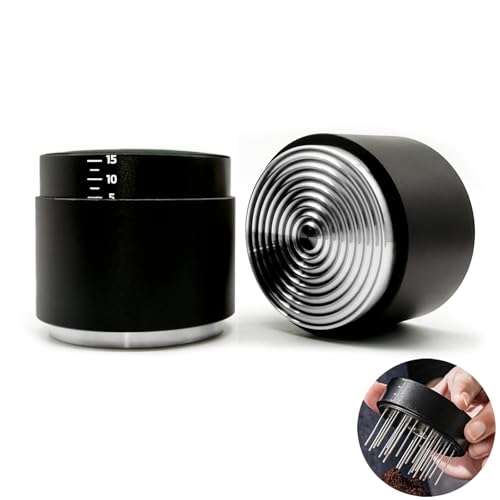
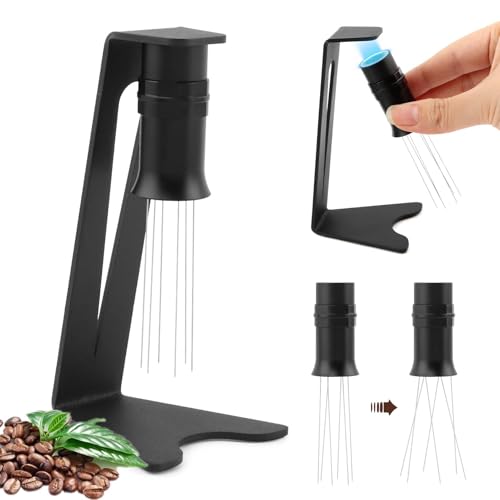

What Is a WDT Tool?
The WDT tool is used before tamping to agitate clumps in your coffee grounds and spread them evenly in the portafilter basket. Brought into existence first as a DIY hack by espresso enthusiasts, it’s now prevalent in both domestic and commercial setups.
The tool usually contains numerous thin needles or wires that blend the coffee grounds gently so that they’re evenly spread and airy.
Why Distribution Is Important in Espresso
When the espresso grounds are uneven or clumped, water will pass more freely in some areas than others—a situation known as channeling. Channeling leads to uneven extraction, which results in flavor loss, sourness, bitterness, or weak shots.
A WDT tool helps to:
Prevent clumping: Thin needles remove coffee clumps that occur while grinding.
Even flow promotion: Grounds are more evenly distributed, promoting the flow of water and the balance of flavors.
Improve consistency: You get more consistent results shot after shot.
Maximize extraction: Even distribution ensures every coffee particle gets its fair share of water.
How to Properly Use a WDT Tool
It’s easy to use a WDT tool and only takes a few seconds longer:
Grind coffee into the portafilter.
Gently stir the grounds in a circular pattern with the WDT tool. Get into all areas of the basket.
Continue until grounds appear fluffy and evenly spread.
Level the surface, then tamp as normal.
Tip: Apply light pressure and use a steady hand to prevent mess and premature compaction of the grounds.
The market offers a wide range, from simple DIY versions to high-end, handcrafted tools. When selecting yours, take into account:
Needle thickness: Thinner needles (~0.3 mm) provide more subtle stirring and less resistance.
Manage comfort: If you’ll be utilizing it a lot, look for an ergonomic design.
Needle layout: Even spacing can help with more even distribution coverage.
A few WDT tools are even magnetic or include a stand for easy storage at your espresso station.
Is a WDT Tool Necessary?
Not absolutely required, but highly recommended especially if you’re using a grinder that clumps or you’re chasing café-grade precision. It’s an inexpensive investment that quite often brings noticeable flavor rewards.
Even baristas who use top-of-the-line grinders discover that WDT produces more consistent extractions.
WDT tool is a low-cost investment
For home baristas looking to perfect their espresso craft, the WDT tool is a low-cost investment with high returns. By combating clumping and promoting even extraction, it’s the missing tool in your brewing kit.
The WDT tool can be the difference between a good shot and a great shot in a few seconds.







[…] when introduced into the portafilter basket, resist the efforts of distribution tools such as the WDT tool and tamping. That results in areas of high and low density in the puck. The water prefers to flow […]
[…] setup videos, you’ve probably seen a flat, spinning device pressed into the portafilter before tamping. That’s a coffee distributor tool, also known as a leveler or puck […]
[…] internal funnels sit inside the portafilter basket, they block the ability to spin the WDT tool close to the basket’s edge. On the other hand, external funnels rest atop the portafilter rim […]