
If you’re using a pour-over method like the V60 or Chemex but still using a standard kettle, you’re holding back on your brew so much more than you even know. A gooseneck kettle is not some fancy indulgence for coffee geeks; it’s a necessary tool for anyone who desires control, consistency, and cup quality.


What Is a Gooseneck Kettle?
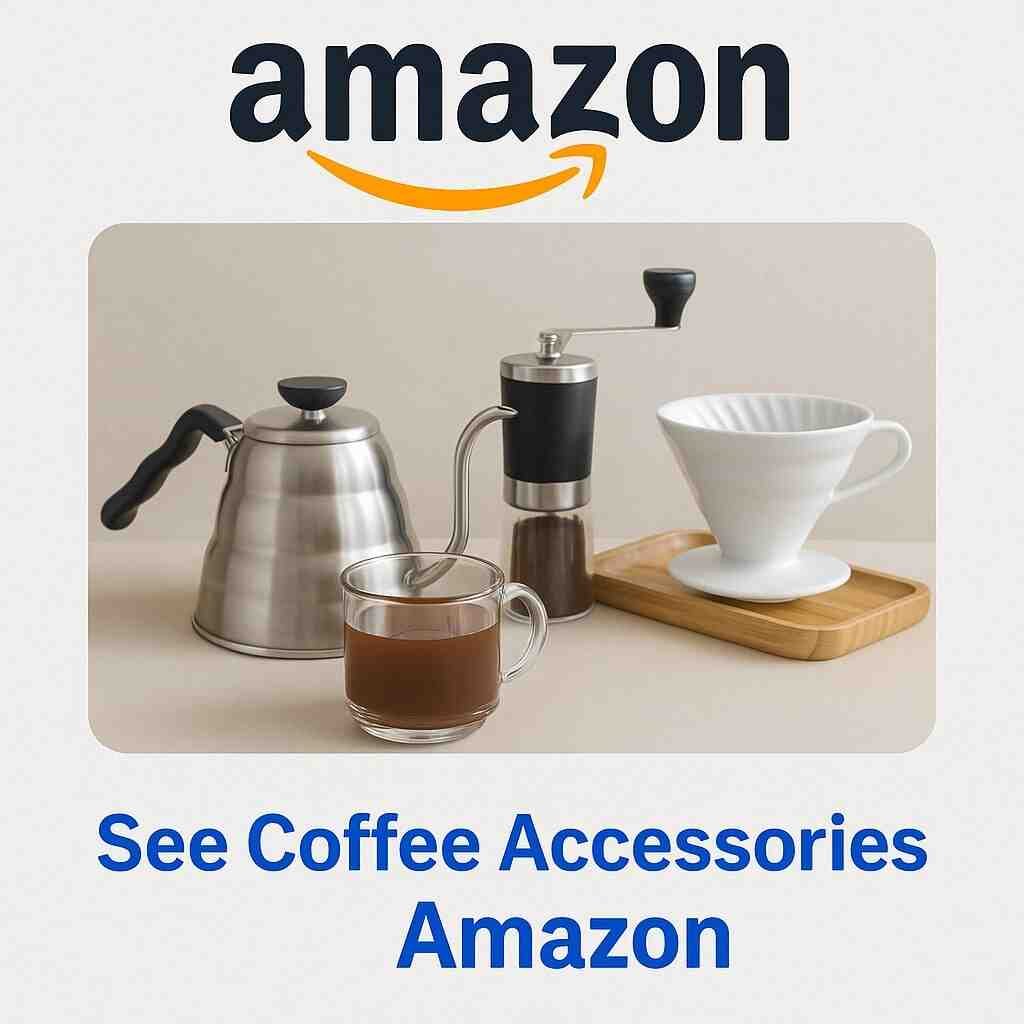
A gooseneck kettle features an extended, slender spout shaped like a goose’s neck how it is named. This design gives you complete control over the water flow out of the kettle, and it is ideal for hand-brewing methods.
Why It Matters
Here is why you must have a gooseneck kettle as a home barista:
- Precision in Pouring
The long, curved spout is how you can pour water slowly and evenly, which is essential for:
Saturating grounds evenly during bloom
Controlling flow rate in brewing
Avoiding channeling (water short-circuits grounds)
- Enhanced Extraction
Uneven pouring equals uneven extraction—and a subpar cup. A gooseneck kettle provides even saturation to all grounds, which leads to:
Even taste
More consistent brews
Better repeatability
- Best for Blooming
During the bloom phase, you need to wet the coffee bed lightly but not make it saturated. A gooseneck allows you to just do that with precision, without agitating the grounds.
- Improved Ergonomics
Most gooseneck kettles consider barista comfort:
Easy grip handles
Balanced weight distribution
Improved control without wrist strain
Electric vs. Stovetop Gooseneck Kettles
Electric
Faster heating
Temperature control settings (ideal for coffee)
read more: Are Coffee Tasting Notes Real or Just Marketing?
Auto shut-off features
Examples: Fellow Stagg EKG, Brewista Artisan
Stovetop
Less costly and easier
Ideal for those who don’t mind lack of manual control
Examples: Hario V60 Buono, Kalita Wave Kettle
What to Look for in a Gooseneck Kettle
Precision spout design: Look for an evenly flowing balanced spout.
Temperature control (for electric): Ideal brewing temperature of 195–205°F (90–96°C).
Capacity: 0.8–1.2 liters is the norm for home brew.
Build quality: Stainless steel or high-quality coated materials for durability.
Aesthetics: Come on appearance matters in a stylish home setup!
Do You Really Need One?
If you’re just getting your toe wet with pour-over brewing, it’s probably overkill. But try one and you’ll see why baristas love them. It’s about doing pour-over versus mastering pour-over.





[…] ever struggled with controlling your pour or hitting the optimal brew temperature, a quality gooseneck kettle can be a […]