
You may already know that coffee percolates differently sometimes. Some froth like a good science experiment, while others barely puff. That’s not an accident it has to do with where the beans were grown, how they were processed, and even the way they were roasted.
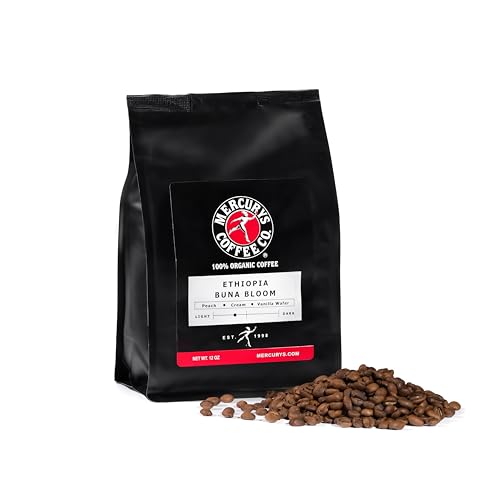
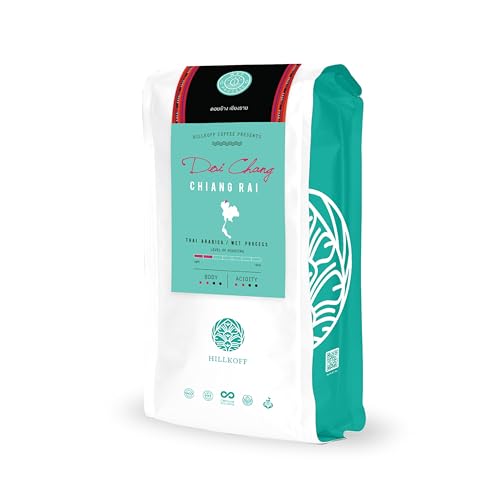
Understanding these differences lets you not only adjust your brewing technique, but also better understand your coffee.
- Origin and Altitude: Where the Bean Was Born Counts
Higher-altitude coffee is denser and retains CO₂ in the beans longer after roasting. Such beans tend to have:
Slower rise of bloom
Extended degassing phase
Brighter, more nuanced flavor profiles
Lower-altitude beans may bloom earlier due to lower density and softer structure.
Example: A high-grown Ethiopian Yirgacheffe might bloom slower and more predictable than a low-grown Brazilian Santos.
- Roast Level: Light to Dark, Bloom Changes
Roast impacts amount of gas retained directly:
Light Roasts: High bloom since the cellular structure remains intact with more CO₂ trapped.
Medium Roasts: Equilibrium bloom—moderate gas, easy to control.
Dark Roasts: Low bloom; structure is more broken down, and most of the gas escapes during roasting.
Tip of the Brewer: Light roasts, take extra attention to your bloom stage (more water, longer). Dark roasts, short and slow.
- Processing Method: Washed vs Natural vs Honey
Depending on how a coffee bean is processed after it is picked, it will behave with water in the future.
Washed Process: Usually leads to an even more balanced bloom.
Natural Process: Can bloom more erratically with residual sugars and oils.
Honey Process: In between, depending on how much mucilage is left on the bean.
Try to pay attention to how your natural vs washed beans bloom there usually is a big difference.
read more: How Coffee Bloom Time Affects Final Flavor: A Comparative Analysis
- Freshness and Storage
Even the best beans won’t produce a good bloom if they’re old or stored incorrectly.
Freshness tip: Try to roast and then brew beans 5–20 days from the roast date.
Store beans in airtight containers, in darkness and coolness.
Why This Matters to Home Baristas
Understanding the bloom behavior that correlates to origin, roast, and processing allows you to:
Adjust your bloom time and ratio of water in reaction
Improve flavor uniformity between beans
Expect how an incoming coffee will respond before you brew it
It’s not science for science’s sake it’s about loving the bean, and respecting its story.










[…] related article: Do All Coffees Bloom the Same? How Bean Origin, Roast, and Processing Impact Bloom Behavior […]
[…] you ever wondered whether letting your coffee bloom for 20 seconds versus 45 seconds actually makes a difference? If you’ve been experimenting with […]