
If you’ve ever brewed a cup that tasted flat or lifeless even from excellent beans–the problem might not be your grinder or technique. It could be freshness. Yes, coffee’s a food product, and as with all food products, it becomes stale after a certain period. Let’s break down what freshness is, why roast dates matter, and how you can keep your beans at their best for longer.


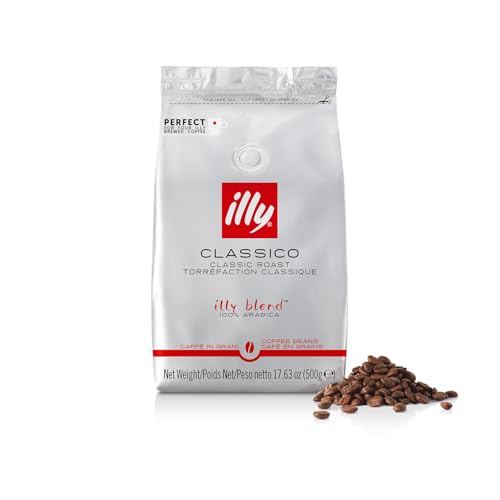
Why Coffee Freshness Matters
Freshly ground coffee is a rich, aromatic, and full-bodied drink. As coffee ages, it loses the volatile substances that give it coffee’s characteristic taste and smell. All that’s left is stale, sometimes even cardboard-flavored. Staleness can destroy even the best-brewed cup.
Freshness is not just about taste. Extraction is also impacted. Stale beans are brittle and dry, and it is harder to get balanced brew. You can have uneven bloom or poor crema when you pull espresso.
Understanding Roast Dates (Not Expiration Dates)
A common mistake people commit? Confusing roast dates as expiration dates.
Most supermarket coffee has only a “best by” date, typically 12 months forward. By the time you’re consuming those beans, however, they’re most likely lost their shine.
You’d rather have a roast date. Best, brew your beans:
3–5 days after roasting (to provide degassing time)
Within 3–4 weeks of the roast date (for ideal taste)
After that, flavor significantly declines.
Personal tip: I used to stock up on coffee when it was on sale. But even sealed packages got stale before I could finish them. Now I buy smaller quantities more often. My coffee’s never been better.
How to Store Coffee for Maximum Freshness
Air, light, heat, and moisture are coffee’s worst enemies. To keep beans fresh:
Store them in an airtight container (ideally opaque)
Store them in a cool, dry place (not the refrigerator or freezer)
Don’t buy in bulk unless you’ll consume them quickly
Some roasters package bags with one-way valves—these release CO₂ but don’t let oxygen in. If yours does, don’t dispose of it too soon; it’s doing useful work.
Should You Freeze Coffee Beans?
This is debated, but here’s a reasonable viewpoint: if you must store coffee over long periods, freezing will keep it but only if done properly.
Freeze beans in air-tight, portioned packets
Don’t repeatedly thaw and refreeze
Thaw to room temperature before opening (to avoid condensation)
Freezing is most effective as a backup solution, not the norm.
How to Know If Coffee Is Too Old
Curious about whether your beans have spoiled? Check for these things:
Flat or “woody” aroma
No bloom during brewing
Thin or empty flavor
No crema in espresso
If any of these sound familiar, perhaps it’s time to replace your bag with a newer model.
Check for roast dates
Improve your coffee experience, one of the easiest things you can do. Check for roast dates, buy in smaller sizes, and store beans in a secure environment. Once you’ve tasted how fresh coffee can impact your experience, you’ll never go back.








[…] For home baristas, one of the first decisions to make is whether to grind coffee beans at home or buy them pre-ground. At first glance, it might seem like a minor detail, but it can significantly impact the flavor and freshness of your brew. […]
[…] the fridge or freezer: Condensation due to moisture is your biggest drawback. Keep beans for only months if you keep them stored long-term. Otherwise, keep them out of the […]