This is the showdown the meal prep world has been divided over: plastic for ease of mobility and glass for unadulterated purity what’s not to like?

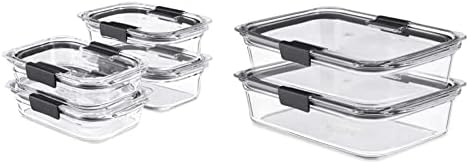
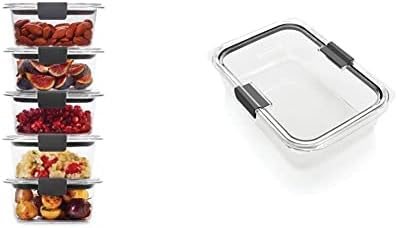
Rubbermaid’s Brilliance has a unique edge to it: it’s the same exact set they make for glass. Both will go together perfectly. This raises the question: Is it worth shelling out for the glass meal prep containers when the high-tech plastic Tritan’s advanced technology isn’t just good for a lifetime but half a lifetime after that as well?
We compared the tear-and-wear pattern for both glass and plastic to determine which of them really takes the cake.
The ‘Curry Test’: Aesthetics of Decay
The point where a meal prep set goes into ‘die-out’ phase doesn’t begin with breakage but when they look disgusting.
- The Reality of Plastic: Though ‘stain-resistant,’ the Rubbermaid Tritan plastic isn’t quite the stain-master like glass. Left to soak for 2-3 years from exposure to amber red sauces (tomato) and golden yellow (turmeric) spice condiments, it’s just a matter of time when a faint tinge will set in. Then consider plastic food storage becoming cloudy due to micro-scratches caused by abrasive dish wipes.
- The Advantage of Glass: It’s non-porous material. Pack nuclear-powered vindaloo into it for a week and then wash it. It will look as good as new from the time of purchase a decade down the line when the glass at the bottom will shine as good as new.
Winner: The ‘King’ of glass (trumps plastic all the way).
The ‘Drop-Test’: Bounce vs. Shatter
This might just be where the ‘longevity’ of a pack really comes into play. A glass will ‘last a lifetime’ that lifetime comprised of days when it doesn’t land on tiles.
- The Plastic Trials: For a Tritan Brilliance pack dropped on the floor, they will rebound like a tennis ball some scuffs and a detached clip may occur, but the product will work just fine for a commuter lugging their meal pack to and from their workplace on to a table or the subway seat.
- Plates Shatter Under Impact: A glass container may shatter like a water glass when dropped to an equally hard floor from counter height.
Winner: The plastic pack (since some of us might just be a tad clumsy).
Thermal Shock: The ‘Microwaving and Baking’ Factor
Food preparation and manner will dictate just how a pack lasts a lifetime.
The ‘Pitting’ Problem of Plastic:
Pack plastic for a lifetime and it will melt under extreme (even extreme human) usage. If you microwave it for a long time when it’s greasy (like cheese or, heaven forbid, real butter), it can reach a temperature higher than boiling water, which can melt small rough areas on the plastic floor and lead to “pitting.” A pitted dish is hard to clean, and it’s a haven for bacteria.
The Oven Flexibility of Glass:
The bottoms are oven-safe until 450°F. This means you can bake a lasagna right in the dish, store it, and later reheat it in the microwave. Glass doesn’t care about the presence of hot spots.
The Weakest Link: Lids
The biggest surprise about these products? They have completely identical plastic lids. Whether you buy the glass or the plastic set, it comes with the identical Tritan lid and rubber gasket, complete with plastic latches.
- The Breaking Point: According to long-term reviews, latches break long before the plastic or the rubber gaskets give out. After thousands of uses, one tiny hinge will break.
- The Silver Lining: The good part? Because they all come identical, you can easily switch from a high-quality glass set to a lowly plastic set when a lid inevitably breaks on the expensive glass.
Comparison at a Glance
| Feature | Rubbermaid Brilliance Plastic | Rubbermaid Brilliance Glass |
| Weight | Featherlight (Commuter-friendly) | Heavy (Home use-friendly) |
| Stain Resistance | Low (Possible, but just be patient) | Zero (Impervious) |
| Heat Resistance | Microwave-Only (Potential pitting damage) | Oven-safe (450°F max) |
| Drop Resistance | Ultra-High (Bounces back) | Zero (Shatters like an empty wine bottle) |
| Price | Budget-Buy ($) | Full-Bloodied-Investment ($$$$) |
So What’s the Verdict? How Long will it Last?
This time, it’s not about what’s best. It’s about use cases.
Pick Plastic If:
- You can practically commute daily with lunch.
- The chance of dropping the entire package/bag or lugging the aching weight home, in my opinion, outweighs the benefits of carrying it in glass.
- It will serve you happily for about 3-5 years, until it looks like a storm squall ravaged it.
Pick Glass If:
- You are a Meal Prepper or “Buy-It-For-Life” enthusiast.
- The glass will, in theory, outlast you or, more likely, be left to a friend, family member, or ex, along with a passive-aggressive note.
- It is the ultimate eco-friendly solution for you plastic food storers in denial, seeking the firm solution for life.
My Expert Tip: Be a ‘Hybrid Stasher.’ Use glass for fridge storage and plastic for your daily commute.
read more: Bentgo vs. OmieBox: Which Lunch Box Keeps Food Warm Better?