
There is a tactile difference between a meal served with a paper towel and a meal served with a cloth napkin. One is a necessity; the other is a ritual. However, many people avoid using good textiles for daily meals because they are terrified of the maintenance. They imagine high dry-cleaning bills and hours spent ironing.
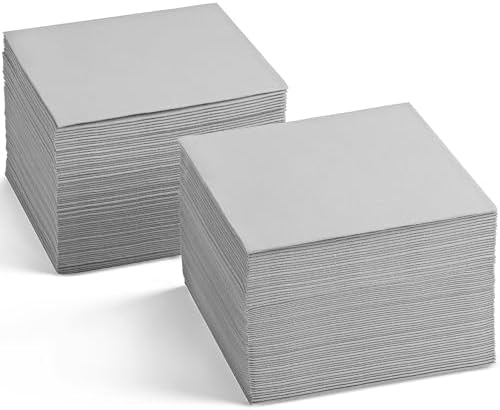


This fear leads people to buy “easy-care” synthetics that feel slippery and don’t actually dry your hands. The truth is that real linen and cotton are workhorse fabrics. They have been used for thousands of years specifically because they are durable. If you know how to select the right weight and how to wash it properly, a good set of napkins can last for decades.
Here is the practical guide to building and maintaining a textile collection.
Material Matters: Flax vs. Polyester
The first rule of buying table linens is to check the tag. If you see the word “polyester,” put it back. Synthetic fibers are hydrophobic, meaning they repel water. When you try to wipe your mouth with a polyester napkin, it smears the mess rather than absorbing it.
You want 100% natural fibers. Linen (made from flax) is the gold standard because it is highly absorbent, naturally antibacterial, and releases stains easier than cotton. Cotton is a good second choice, provided it is a thick weave. These natural fibers get softer with every wash, whereas synthetics just pill and degrade.
Understanding Weight (GSM)
When shopping online, photos can be deceiving. A thin, cheap napkin looks exactly like a thick, luxurious one in a picture. To judge quality, you need to look for the GSM (Grams per Square Meter).
For a dinner napkin, you want a GSM of at least 160 to 200. Anything lower than that will feel flimsy, like a handkerchief. A heavier napkin stays on your lap better and feels more substantial in the hand. For tablecloths, a heavier weight helps the fabric drape over the table edges elegantly without fluttering every time someone walks by.
read more: Open Shelving Styling: How to Curate Functional Art in Your Kitchen
The Washing Routine
Linen does not need to be treated like a delicate flower. In fact, linen loves water. The more you wash it, the stronger the fibers become.
Wash your linens in cool or warm water with a mild detergent. The most important rule is to avoid fabric softener. Softeners coat the fibers in a waxy substance to make them feel slick, but this destroys the absorbency of the fabric. If you want them soft, simple agitation in the machine is enough. Also, never use chlorine bleach on vintage white linens; it weakens the fibers and can actually cause them to yellow. Oxygen-based bleach is the safer alternative.
The Wrinkle Debate
The modern table does not require stiff, starched, hotel-style linens. We are moving towards a “lived-in” aesthetic.
If you hate ironing, you are in luck. The natural texture of linen that slightly crumpled, wavy look is part of its charm. To achieve this without looking messy, take the linens out of the dryer while they are still slightly damp. Smooth them out with your hands on a flat surface and let them air dry the rest of the way. Gravity does the work for you. If you must iron, do it while the fabric is damp; dry linen is almost impossible to press flat without scorching it.
Dealing with Stains
If you use good linens, they will get stained. Red wine, oil, and tomato sauce are inevitable. The key is speed.
Do not wait until the next morning. If a spill happens, flush it with cold water immediately. Hot water sets protein stains, so always start cold. For oil stains, a dot of plain dish soap rubbed into the spot before washing works wonders. The goal is to lift the oil before it bonds with the fiber.
The Verdict
Investing in high-quality linen is an investment in the daily experience of eating. It elevates a Tuesday night pasta dish into a proper dinner. By choosing natural fibers and ignoring the perfectionist urge to iron everything, you make luxury functional for everyday life.
read more: The Art of Tablescaping: A Seasonal Guide to Dining Decor








[…] read more: Linen & Textiles: Selecting and Caring for High-Quality Napkins & Cloths […]