
We eat every day, but we do not “dine” every day. The difference between a dinner on a Tuesday night, and a dinner to remember, has less to do with the recipe than with the ambiance.


“Tablescaping” is the art of setting a scene. It has nothing to do with displaying china or making napkins look like swans. It has everything to do with telling your guests that they are important. It is a way of creating a tangible space that will enable a conversation to continue well beyond the time that the food has been consumed.
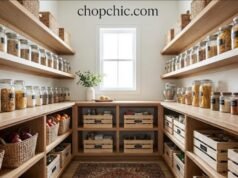
read more: Open Shelving Styling: How to Curate Functional Art in Your Kitchen
Here’s how to dominate the table all year round:
The Rule of Sightlines
One of the biggest decorating don’ts at the dinner table is the “Wall of Flowers.” You set up this huge floral arrangement right in the middle. It’s impressive until diners arrive and sit down. Then you can’t see the person opposite you. This leads to a dysfunctional conversation because the link is obstructed.
“The key to creating centerpieces,” interior designer Kaki Borton writes, “is to go low, or go high.”
The decorations should either be below eye level think about bowls of fruit or moss, or glasses of flowers or very tall and slender, such as candelabra that loom above heads. If you find yourself leaning on one elbow to ask someone to pass you the salt, table-setting design is not your friend.
Texture, Not Color Addition
A flat surface is like a cafeteria table. Texture is needed if the table is to be luxurious. Contrary to the required color combination, texture is much more essential.
Begin with linens. The slightly wrinkled tablecloth is more welcoming and contemporary than a starched white tablecloth. The tablecloth means “relax.”
Add layers. If you do use a tablecloth, forgo placemats and add a charger plate. If your table is wooden and you do not use a tablecloth, start with a table runner. This will help center everything.
Mix materials. If your plates have a smooth ceramic texture, you should use placemats made of woven materials and metal napkin rings. Such contrast between rough and smooth elements creates a visually interesting effect in terms of reflecting light.
Lighting: The Mood Manager
You can have the finest food that you’ve ever tasted, and you can have the most gorgeous flowers, but if you use bright overhead lighting to light the room with LEDs, the ambience will be clinical.
The overhead lighting is for cleaning, not for dining. Turn the big lights out. Use table lamps on a sideboard, or fall back on plenty of candles.
A word on candles: They should be unscented. This is not negotiable. A vanilla or lavender scent does not belong in competition with either the scent of roast chicken or wine. Beeswax candles or white tapers are just fine. The flickering light adds motion and helps all of the people around the table to look better.
A Seasonal Framework
A set of dishes is not required for each season. Only the organic part has to change.
Spring: Keep it loose. Use bud vases with single stems of tulips or daffodils rather than bouquets. Pastel-colored napkins and glass add a light feel.
Summer: Embark on making it durable. This season celebrates al fresco dining. It requires heavy glasses that won’t upend due to windy conditions. Add elements of fresh citrus, lemons, and limes direct tabletop decor.
Autumn: Bring the outdoors in. Use dried leaves, branches, and dark colors. Replace white candles with bright red or burnt orange. It is also the season when you can go for heavy texture materials, like velvet ribbons or wool mats.
Winter: It’s a season of warmth and reflection. You don’t need to resort to cheesy winter themes. Think highly reflective materials—brass, silver, and gold reflecting candlelight. Evergreen branches are free. Cut a few in your yard to place down the center of the table.
The Personal Touch
To conclude, the key component of a table arrangement with the greatest effect on an event environment, costing nothing, is the place card.
Placing a name on a small index card accomplishes two things. First, it obliterates “the Where do I sit?” dance that takes place at every dinner party. But perhaps more importantly, it says to your guest, “I set aside this place for you alone. I wanted you to feel like you belonged here.”
The art of hospitality.
read more: The Psychology of Space: Creating Flow in a Luxury Kitchen







[…] read more: The Art of Tablescaping: A Seasonal Guide to Dining Decor […]
[…] a short glass tumbler with a thin rim is generally chosen since the idea of visual hierarchy on the table can be maintained by reserving the taller glasses for the wines […]