
Achieving café-quality microfoam with almond milk often feels like chasing a ghost. Instead of the silky, stable texture needed for latte art, you frequently end up with a watery base and a bubbly, separating layer on top. That is because of the inherent chemical makeup of almond milk: it’s low in protein and fats compared to dairy, making it structurally weak when heated. Understanding these Almond Milk Microfoam Failures is the first step to pouring perfect lattes at home.


Protein: The Structural Weakness
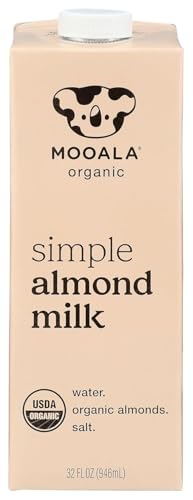
Dairy milk can hold a consistent, elastic foam structure when air is incorporated because of casein and whey proteins. Almond milk does not have the density of protein. The small proteins in it denature that is, change shape when hot, and very quickly cannot hold onto the air bubbles. The almond milk goes back into large, unstable bubbles that collapse or separate into foam and liquid quickly. To overcome this, look specifically for brands labeled “Barista Blend,” as these contain added protein such as pea protein, plus stabilizers to help mimic dairy structure.
related article: Best Milk Frothers for Home Baristas
Acidity: The Curdling Risk
Another common problem that causes Almond Milk Microfoam Failures is curdling. Almond milk is very sensitive to acidity, which has the effect of clumping its proteins. The main culprits for this are espresso shots. Espresso is naturally sour at pH 4.5–5.0. If cold almond milk is added to a fresh, hot shot, then the sudden change in temperature and also acidity sends the milk into shock, and it immediately separates.
- The Fix: Always steam your almond milk ahead of pulling the shot. More important, though, is to allow the espresso to cool slightly (about 10 seconds) before pouring the steamed milk. This reduces the acidity shock and improves stability.
Temperature: To Avoid Scalding
Overheating is a guaranteed route to the collapse of the foam. Heating above 150°F (65°C) burns the sugars and destroys the fragile protein structure that’s struggling to stabilize the foam. This results in a watery texture that will have an off taste. The object here is not to boil but to aerate lightly. The steaming should stop the very instant the milk pitcher becomes too hot to hold comfortably for more than a second. That way, you retain the milk’s structure just below the critical breakdown point.
Technique: Lightly Aerate
Aggressive steaming for almond milk is actually counterproductive. Pull in air by stretching the milk only for 1–2 seconds in the beginning, then submerge the wand to swirl the milk, incorporating the existing air into a fine, uniform texture. This method keeps the formation of large, unstable bubbles at a minimum and would turn potential Almond Milk Microfoam Failures into successful pours.









[…] range from simple terms like nutty or citrusy to more complex profiles such as blueberry muffin or toasted almond. They are similar to wine tasting descriptors subjective, but based on sensory […]