
Carbon steel is often referred to as the king of woks, for it responds so well to heat and can build up a fine seasoning. This traditional material is not always the best choice, though. There are specific cooking scenarios and kitchen environments where choosing Stainless Steel Over Carbon Steel is not just preferable, but necessary. Understanding these distinctions saves time, effort, and frustration.
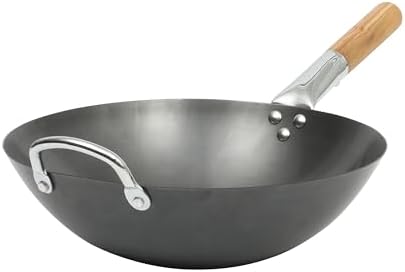
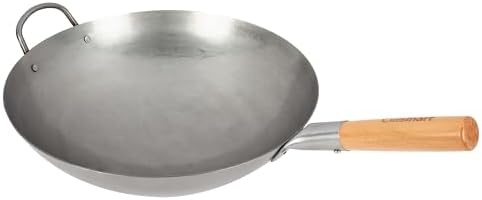
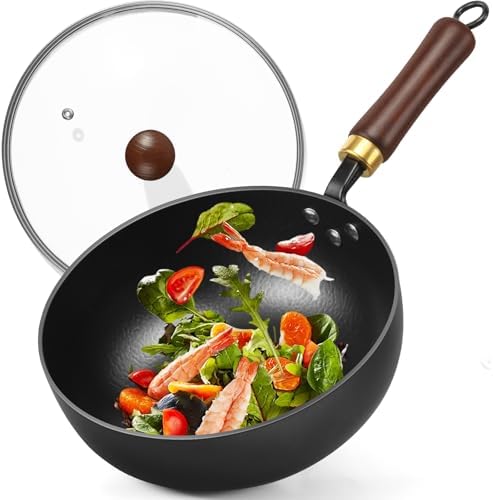
Maintenance: The Low-Effort Appeal
The biggest single draw of stainless steel is its simplicity. Unlike carbon steel, stainless steel requires absolutely no seasoning whatsoever. You can wash it right after use, soak it overnight, and even scrub it with soap and scouring pads without fear of rust or ruining a protective layer. For cooks who want low-effort maintenance and do not want the commitment of regular re-seasoning, stainless steel offers undeniable convenience.
Acidity: Balancing Bright Flavors
Traditional carbon steel seasoning does not take well to acidic foods like vinegar, tomatoes, citrus juice, and wine, which strip the seasoning layer off and make food stick, forcing the cook to have to re-season the pan at a later time. Stainless steel is non-reactive, meaning that when preparing dishes with heavy reliance on bright, acidic flavors, like sweet and sour shrimp, vinegar chicken, or some Thai curries, the seasoning stays intact and the flavor profile of the food remains clean and pure.
Consistency: For Delicate Dishes
While carbon steel has excellent heat responsiveness, it also creates hot and cold zones. Stainless steel woks, especially those with triple-ply or aluminum-core bases, distribute heat far more evenly across the cooking surface. For delicate tasks like deep-frying, braising, or preparing large batches of rice, which demand consistent, uniform temperature, stainless steel performs reliably, reducing the risk of scorching in one spot and undercooking in another. This consistency makes it the clear choice when preferring Stainless Steel Over Carbon Steel for certain applications.
Kitchen Environment: When High Humidity is a Factor
Carbon steel rusts in a very short period, especially if not dried immediately and thoroughly re-oiled in humid environments. If you live near the sea, have poor ventilation, or just air-dry your dishes, then stainless steel is the practical choice. Naturally resistant to corrosion, you can afford to leave it on the drying rack, safe in the knowledge it won’t be sporting pitting or rust spots in a few hours’ time. Often, the choice between Stainless Steel Over Carbon Steel comes down to practical kitchen reality.

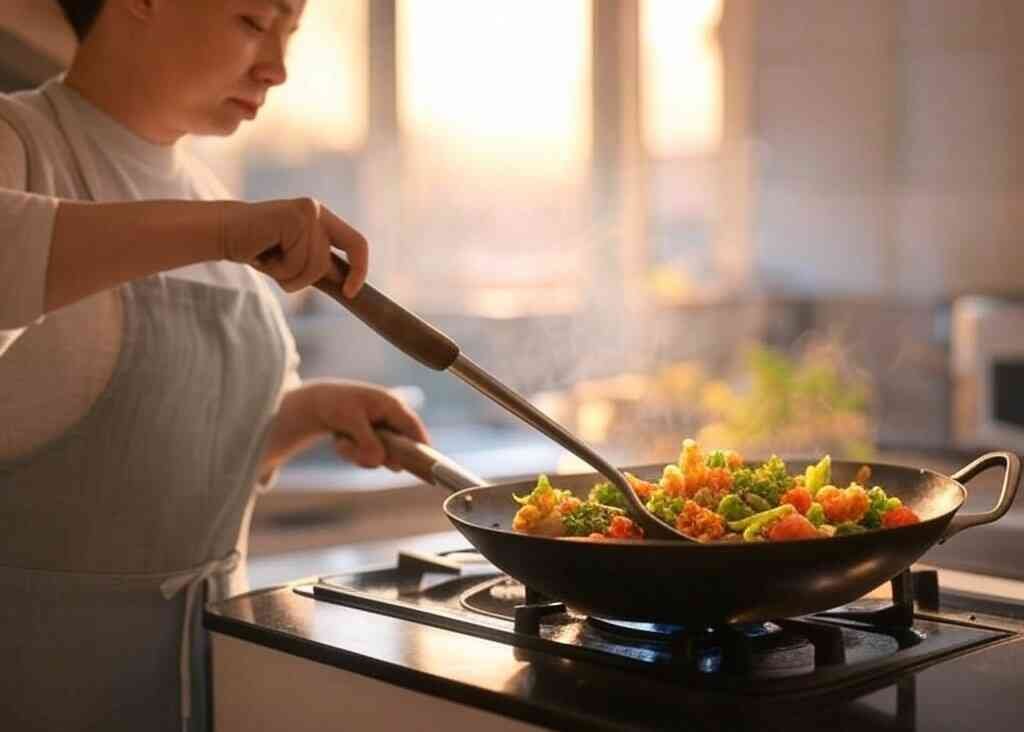






[…] Carbon steel woks are some of the best-loved by chefs and home cooks. They do this because they conduct heat well and are versatile, they consist of carbon and iron and are lighter than cast iron woks. They are therefore easy to manage while cooking, possess one significant advantage in the sense that they heat up quickly, also preserve high temperatures. This is essential for searing, stir-frying, and browning food rapidly. […]
[…] they conduct heat well and respond quickly while cooking. The unique material composition causes carbon steel woks to heat up quickly. This aids in stir-frying, an essential process in most Asian dishes. Unlike […]
[…] Carbon steel woks have several advantages over stainless steel or non-stick pans. Stainless steel resists corrosion and scratches but fails to heat evenly. This may lead to hot and cold spots while cooking. Non-stick pans are easy to use but are not best for the high heat needed for stir-frying. Carbon steel heats evenly and very quickly, offering excellent temperature control. This is essential to achieve a good sear on vegetables and proteins. […]
[…] Carbon steel woks are typically favored by chefs. They have special qualities and versatility in various cooking methods. They have iron and a trace of carbon. They have great heat retention and distribution. This is an important feature in cooking. It allows the temperature to remain even. This guarantees food cooks efficiently and evenly. Carbon steel’s high heat conductivity makes it possible for chefs to heat them up to a high temperature. They are required for those old-fashioned stir-fries, searing, and browning. This makes them staples in most kitchens. […]
[…] on cooking. This encompasses performance, heat distribution, durability, and style. Stainless steel, carbon steel, and cast iron are the three most prevalent wok […]