
Searing imparts the classic stir-fry with its superior texture: crisp, tender, and lightly caramelized. If your wok seems to be producing clouds of gray steam instead of a satisfying sizzle, you are battling a fundamental lack of heat transfer. The desired result is flash-cooked ingredients that maintain their distinct texture, not softened, waterlogged vegetables. Addressing these common heat mistakes is the fastest route to authentic Asian cooking.
Overcrowding: The Quantity Conundrum
The single biggest obstacle to searing is cooking too much food at once. When the wok surface is covered in a thick layer of ingredients, the temperature of the metal drops immediately and drastically. This rapid temperature loss inhibits the Maillard reaction the browning process responsible for deep flavor and draws moisture out of the food. That moisture instantly turns into steam, effectively making your stir-fry a steam bath. Always cook in small, manageable batches, giving the food room to breathe and letting the wok temperature recover between additions quickly.
Moisture: The Enemy of the Sear
Adding cold or wet ingredients to a hot wok is a surefire way to encourage steaming. Moisture is searing’s greatest nemesis. Take the time to thoroughly dry any protein or vegetable before adding it to the high heat. Pat sliced meat dry and wipe off vegetables with a paper towel to remove moisture from their surfaces. For marinades, make sure they are wiped off of the surface of the protein so that only a light coating remains. This will prevent the initial temperature crash and ensure the oil remains hot enough to start searing immediately.
The Stove: Power Limitations
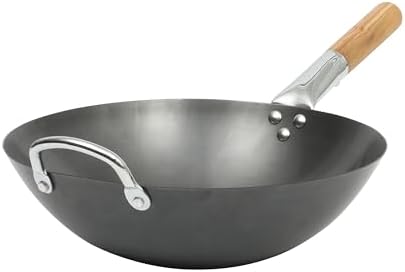
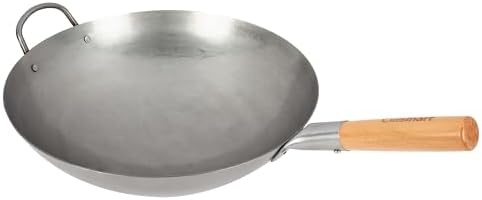
The problem is that many home stoves just don’t have the heat output (BTUs) to maintain the searing temperature that the wok requires. A standard residential burner usually can’t heat up the high volume of food required for a family meal. If you have addressed the issues of overcrowding and moisture and you still see steam, then your stove’s power is the choke point. If looking for true searing power, consider a dedicated outdoor high-BTU burner, or if using an electric or induction cooktop, make sure your wok has a wide, flat bottom for maximum contact.
Oil Temperature: The Timing
Adding ingredients before your oil has reached its smoke point is a rookie mistake. The first ingredient should not touch the metal until your good high-smoke-point oil is shimmering and almost smoking. Oil is the heat transfer medium. If it’s not hot enough, heat from the metal cannot jump quickly enough to the food, giving the ingredients time to release moisture and start steaming. Listen for the sizzle; if you don’t hear it, wait another thirty seconds.
read more: Troubleshooting Common Carbon Steel Wok Issues: Causes and Solutions






[…] that maintain their distinct texture, not softened, waterlogged vegetables. If your result is Stir-Fry Steaming Not Searing, you need immediate adjustments to your […]